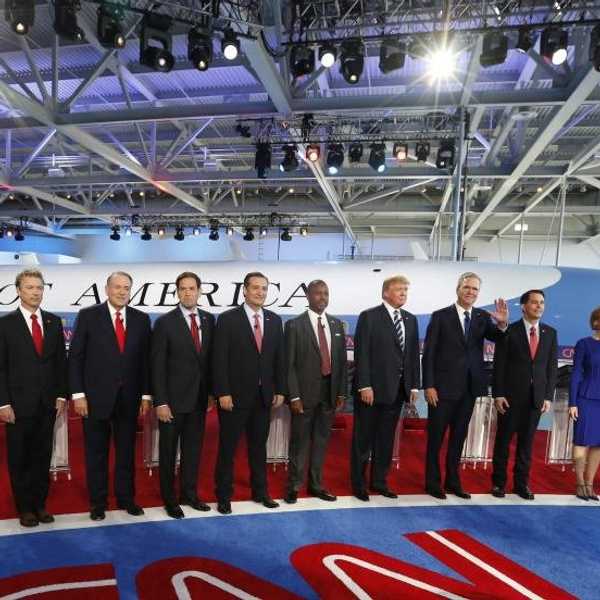
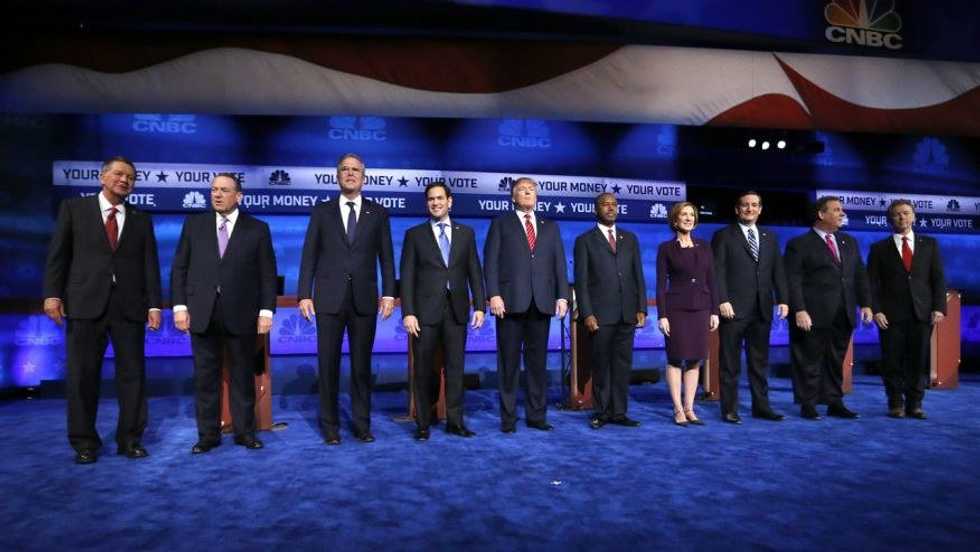
On Wednesday, October 28, 2015, at the University of Colorado in Boulder, the third primary Republican Debate was hosted by CNBC. The debaters consisted of the two front-runners Donald Trump and Ben Carson, as well as Marco Rubio, Jeb Bush, Ted Cruz, Carly Fiorina, Mike Huckabee, Chris Christie, John Kasich, and Rand Paul.
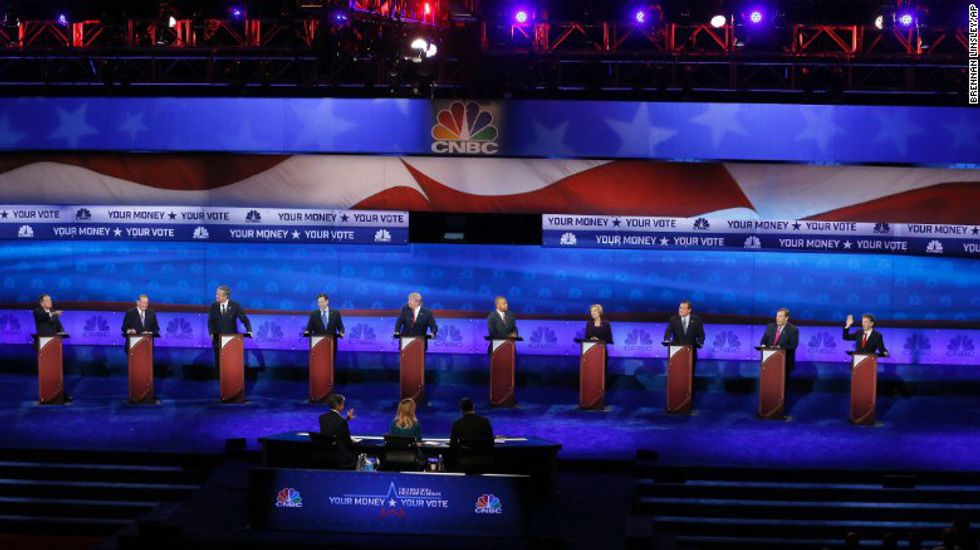
Thanks to Carson and Trump, unlike previous debates, this debate was only two hours long and also focused on each candidates' economic plans (or as much as they chose to tell). Before the debate, the polls showed that Carson was “trending up” and “the clear leader in Iowa,” topping Donald Trump. So we were expecting a Trump vs. Carson political box fight, with Trump using his usual personal attacks. According to CNN, Carly Fiorina was one of the top-tier candidates in August and September and then she disappeared. This was her chance to "become more than the star of the Republican debate team." Tensions between Bush and Rubio grew in the past few weeks since they were polling closely and both considered "institutional candidates."
According to New York Times and CBS News survey (considering a margin of sampling error), Carson had 26 percent of the Republican primary voters, with Donald Trump following closely at 22, Marco Rubio at 8 percent, Jeb Bush and Carly Fiorina tied at 7 and Ted Cruz, Mike Huckabee, Chris Christie and John Kasich at 4 percent.
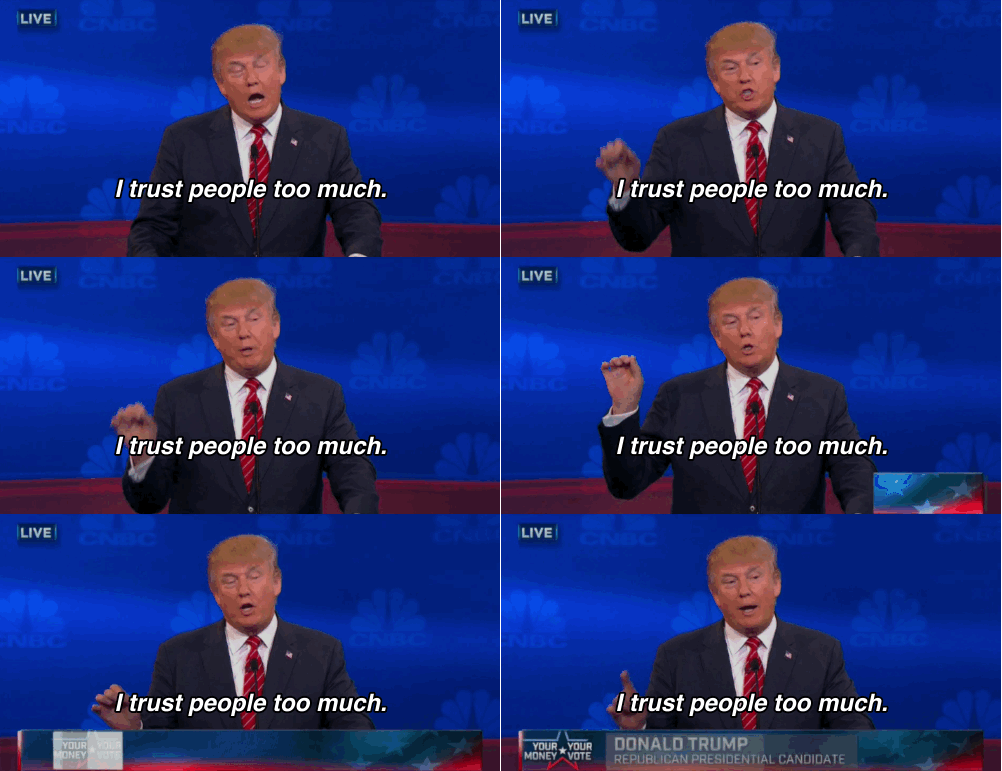
This debate was anyone's chance to prove themselves.It began with the candidates discussing their weaknesses (funny enough) and how they would address them. The best answers were from Rubio who said he " 'shar[ed] a sense of optimism' about America" and Cruz who said, "I'm a fighter. I am passionate about what I believe." The most interesting answer was from Trump who admitted he "trust[s] people too much" and "when they let [him] down, [he] never forgive[s]."
It wasn't until a little later, when the debate sparked a little heat between Bush and Rubio about skipped votes ending in Rubio's snarky remark, "Someone has convinced you that attacking me is going to help you." (Oh, snap!)
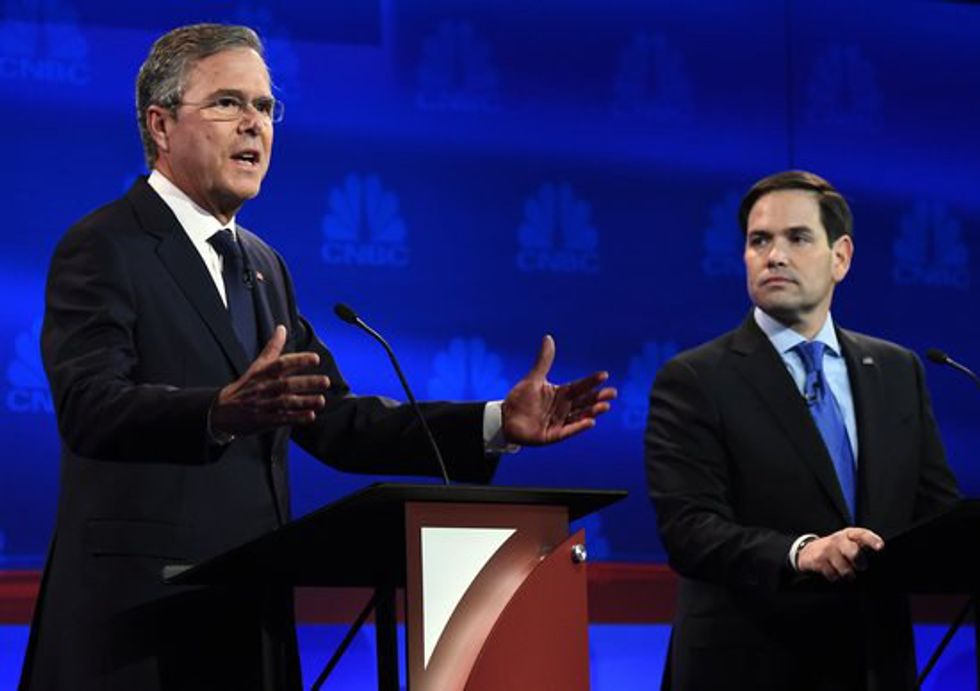
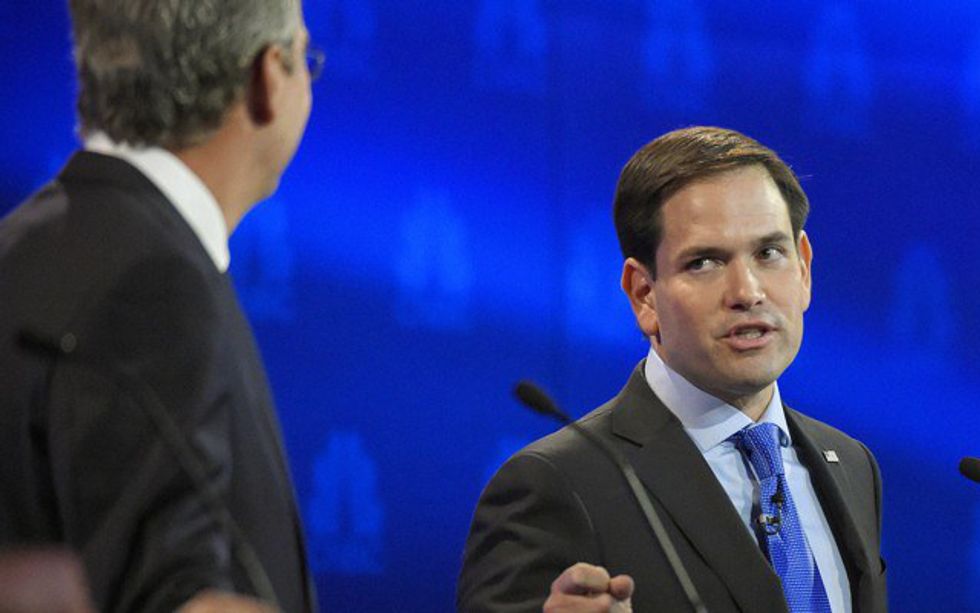
Later, all candidates were challenged on their financial failures and were questioned whether this would affect their abilities as potential presidential candidates. Rubio admitted he didn't "inherit money," while Trump declared he never filed for bankruptcy (fact checked by NBC's Charlie Gile, he never filed for personal bankruptcy, but his businesses did four times). And in between these memorable moments were discussions of economic policy and how each candidate would benefit the American people.
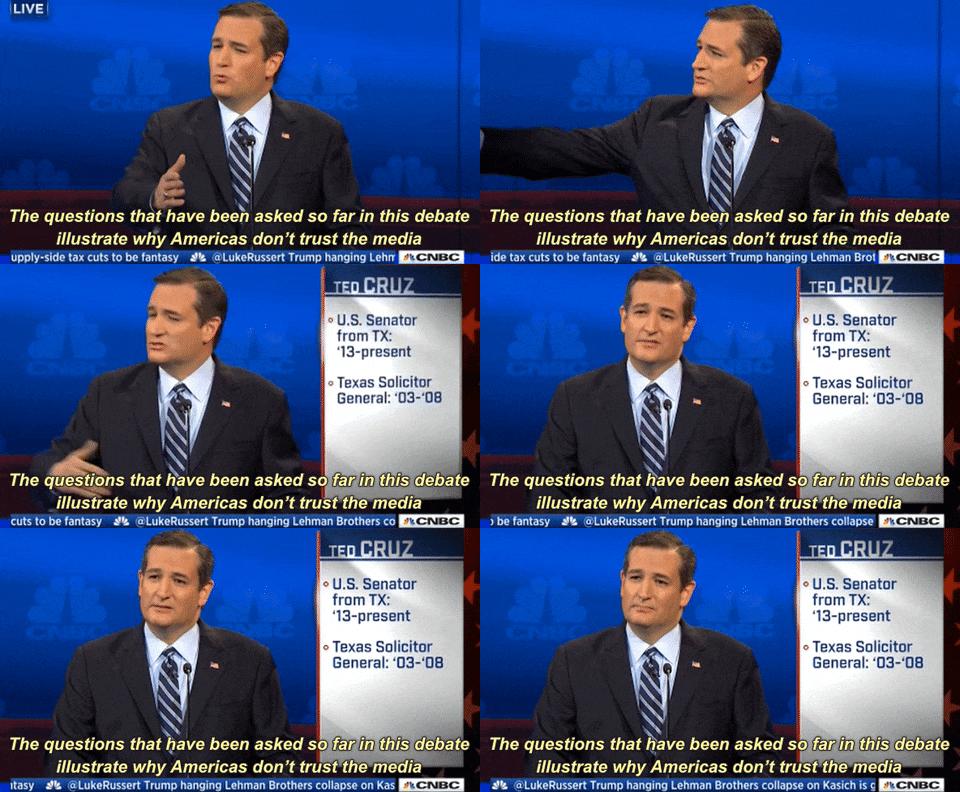
Ted Cruz's biggest moment was taking on the media saying the questions asked that night, "illustrate[d] why the American people don't trust the media."
Mike Huckabee made sure everyone knew he was wearing his "Trump tie," while Kasich declared the vote should go to him because he is a candidate who knows how to get a job done. Ben Carson stated (with a hint of surprising truth), "never give away values and principles for the sake of political correctness." Surprisingly, with disappointment, somehow Fantasy Football was brought up with Bush and then Christie had his big moment claiming that there are bigger problems to be discussed, "Let people play, who cares!"
In the end, the debate was mainly focused on each candidate tearing down Hillary Clinton (while Bernie Sanders was mentioned a few times), the trust of the American people in the media, and how voting for any Republican would be better than voting for someone who believed in total government control. It seems as though the two who benefited from that night were Ted Cruz and Marco Rubio. According to The Atlantic, Marco Rubio was able to answer the questions and actually turned them "around on the questioner." While Ted Cruz, delivered strong answers as well on specific economic policies such as Social Security, the Federal Reserve, and the IRS. According to Google trends, before the debate, the top candidate searches were Donald Trump and Ben Carson and afterwards, Marco Rubio and Ted Cruz followed the trend. The biggest losers of the night were the CNBC mediators who faced harsh criticism not only from the candidates but from social media as well.
The debate was a small release of held in breath and definitely different than the previous debates, filled with more actions during presidency, eligibility and less attacks against candidates (not counting the occasional side glances, shoulder shrugs and pursed lips). The decision is not final, it's all talk and preconceived hypotheses at this point.