With less than 100 days to November 8, the Clinton and Trump campaigns are working hard to secure an Election Day victory. In the midst of all the clamor, some third parties are extending invitations to wary voters. Governor Gary Johnson and Dr. Jill Stein have come out of the woodwork to campaign for the Libertarian and Green parties respectively. They have caught the attention of many undecided voters, especially independents and those who supported Bernie Sanders during the primary.
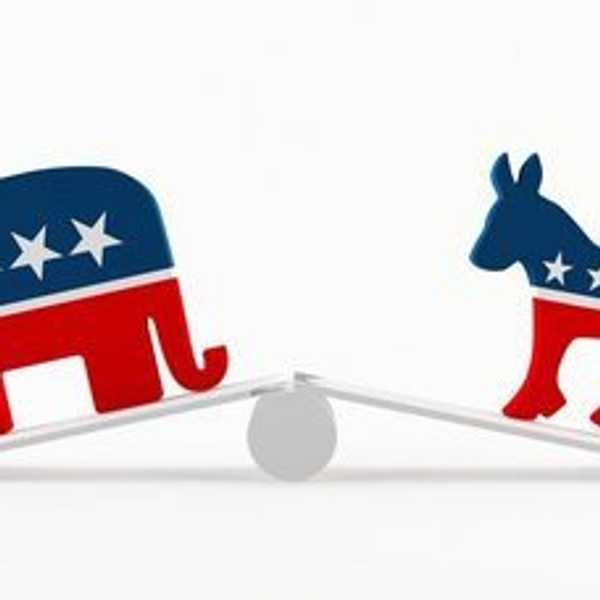
It's Not Just Democrats and Republicans
Jill Stein is the 2016 presumptive Green Party nominee. She also ran in 2012 as a candidate for the left-wing, progressive party with a platform many people find heavenly. The Green Party supports criminal justice reform and ending the War on Drugs,environmental justice and sustainability,economic equality and a universal basic income, and they even call for an end of the Israeli occupation of Palestine. It’s enticing to many voters.
But is it all that simple?
Third parties serve to provide citizens with more options, especially those who feel they are choosing between the “lesser of two evils” when they cast their vote. Some people’s beliefs don’t align with either party or candidate in a major election. Certainly, the two-party system in the U.S. is often more so the illusion of choice than a genuine democracy.
Third parties garner a lot of criticism during elections. This is because they are known for a phenomenon known as vote splitting, which occurs when a group of voters expected to vote for one major party or candidate votes for a similar third party instead. The opposing, less similar party then is left with the majority of votes.
One infamous example of vote splitting is the 2000 presidential election, where many Democrats blamed Green Party candidate Ralph Nader for taking votes away from Al Gore, and in their eyes, “handing the election” to George W. Bush.
Could something similar happen in this election? Hillary Clinton’s campaign is already having enough trouble gaining the allegiance of Sanders supporters, many of whom have vowed to abstain from voting or instead cast their vote for Jill Stein. Many fear that could cause the race between Clinton and Trump to wind up too close for comfort. Similarly, some more fiscally conservative voters could back Johnson and the Libertarian Party, drawing votes away from Donald Trump.
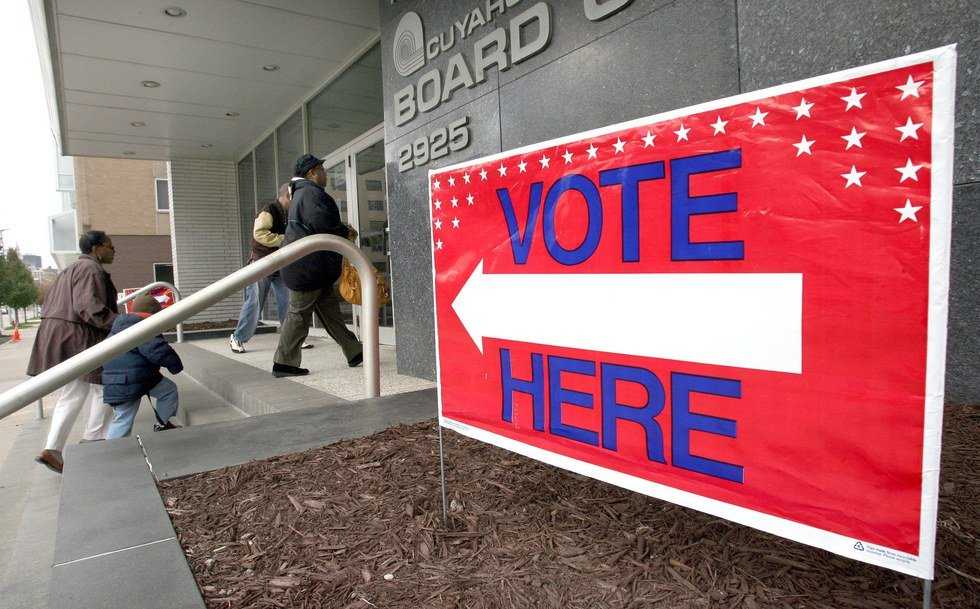
For those who live in undeniably red or blue states, whose "votes don't matter", voting third party could be a way of demonstrating that third parties do indeed have support. But for swing states and critical areas, it can be riskier to do so.
It’s easy to see why many Americans think third parties are just there to cause a stir. While the media attention surrounding a presidential election can be great exposure for their platforms, third parties could also focus on grassroots campaigns and local legislative politics. After all, change happens at the local level, and small-scale, targeted campaigning could make more of a difference in policy than running for and inevitably losing a presidential bid.
One day, the U.S. democracy may be more by-the-people than it ever has been. But for now, along with third parties going local, liberals can continue pressure and advocate for the Democratic Party, which is already established and much more influential, to adopt certain stances. In fact, the Democratic platform is currently more progressive than it has been before, and some of that is thanks to Bernie Sanders as well as activists all over the country.
So should people vote their conscience, or vote strategically? Perhaps the best course of action involves a mix of the two. It’s safe to say that most liberals would prefer a President Clinton over Trump. The decision becomes whether to cast a vote for a platform that better aligns with your beliefs, or to prevent an administration completely against your beliefs. Choose wisely.