
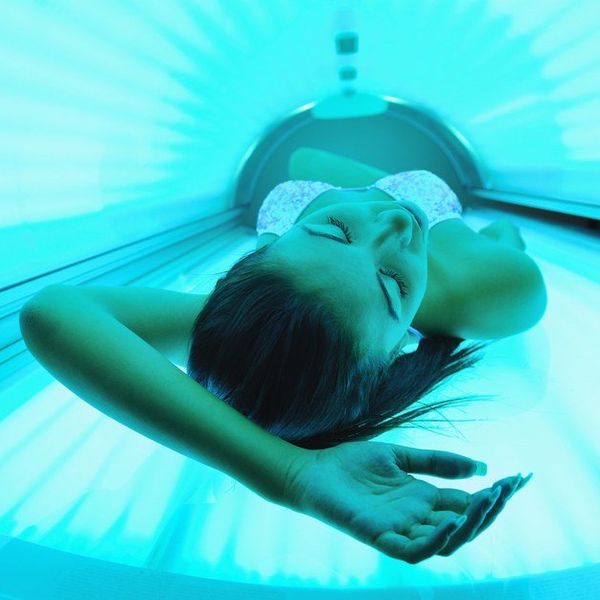

It's summer, and that means it's time to be out in the sun, enjoying the weather and getting a tan. But did you know these facts about your skin and sunscreen that might help you avoid getting burned and damaging your skin?
1. What does SPF actually stand for?

SPF is short for sun protection factor and the numbers refer to how long you could theoretically go without sunscreen safely times the number on the bottle. For example, SPF 15 means you can safely stay in the sun 15 times longer than you could go naturally without sunscreen.
2. So what SPF should you use?

SPF 30 does not mean that it is twice as protective as SPF 15. In fact, SPF 15 blocks about 94 percent of UVB rays, SPF 30 blocks 97 percent and SPF 45 blocks 98 percent. Because it’s impossible to have 100 percent protection, across the board, doctors seem to endorse SPF 30.
3. When should you reapply?
Whatever SPF you use, it’s best to use a sunscreen that is water-resistant and to reapply at least every two hours, or after swimming or sweating. Even the highest SPF will come off within a few hours, so make sure to reapply!
4. Protect yourself from the different types of sunlight

There are two types of UV rays that reach us: UVA (ultraviolet A) and UVB (ultraviolet B). UVA is a long wave, while UVB is shorter. SPF protects against UVB rays, which cause the damage to the superficial layers of your skin and are a big factor in skin cancer, while UVA rays can cause damage deeper in the skin. It’s best to protect against both, so look for a sunscreen that can. Zinc Oxide is a good ingredient to look for in a sunscreen, because it protects from both UVA and UVB rays.
5. What's the difference between classic and mineral sunscreen?
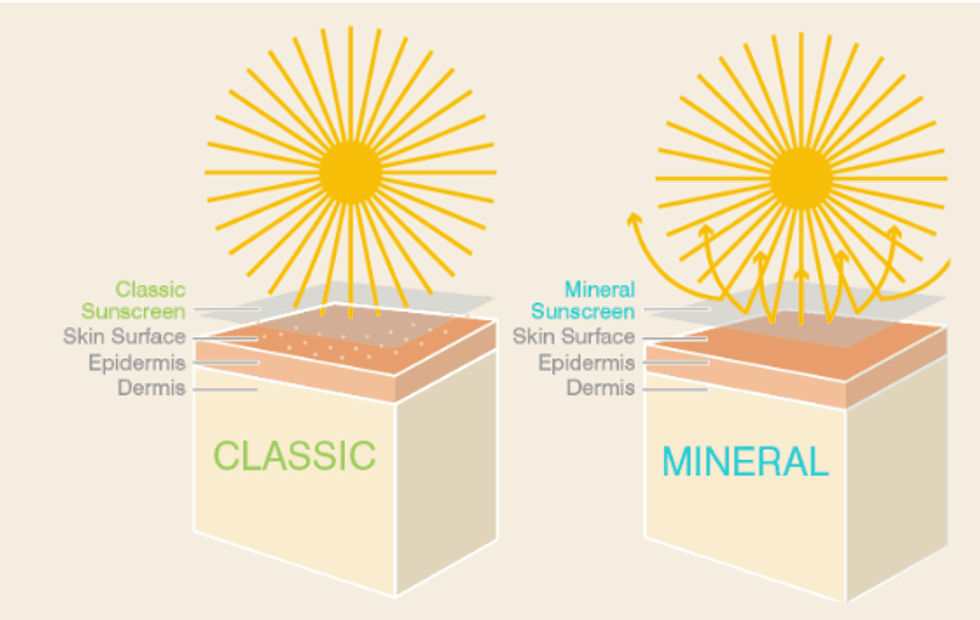
Classic, AKA “non-mineral” or “chemical” sunscreens, have ingredients that absorb sunlight. Mineral or “physical” sunscreens have ingredients designed to scatter and reflect sun rays.
6. How does your skin tan?
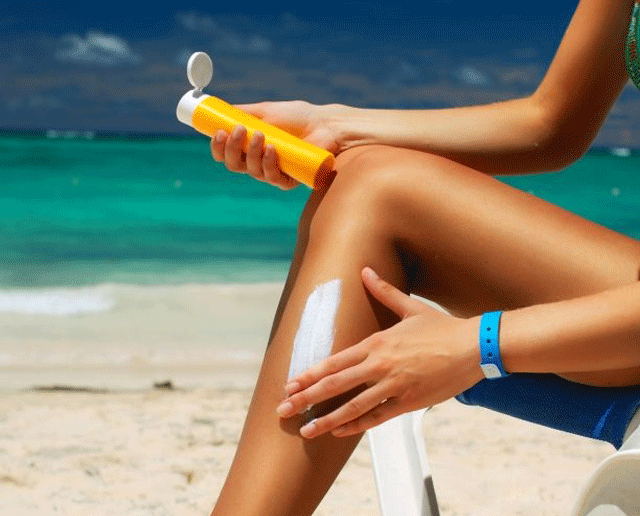
Your skin contains melanocytes, which cause your skin to tan. However, they can be damaged and create cancerous mutations.
7. Take your time.

Melanocytes produce melanin, and because this process can take a good amount of time, you cannot get a good tan in one day. The best way to build up a tan while protecting yourself is to expose yourself to sunlight for short amounts of time so your body will activate the melanocytes. In turn they will produce melanin (a process that takes hours). Staying in the sun for a short amount of time for five to seven days will cause the pigment in your cells to build up to a protective level, which gives you a decreased chance of getting burned!
8. Sunglasses can help you get a sunburn?

Wearing sunglasses can actually make it more likely for you to get a sunburn. Melanocyte-stimulating hormone (MSH) is produced by the pituitary gland. MSH flows through your bloodstream and spurs on the production of melanin; someone who is injected with a lot of MSH will get darker. However, the pituitary gland is associated with the optic nerve. When the optic nerve senses more light, like when you are in the sun, more MSH is produced. Sunglasses can therefore interfere with that sensing of light and decrease MSH. At the same time, you are protecting your eyes. There really isn’t much of a way to win this one.
9. Why are sunburns red?

A sunburn is cellular damage caused by UV radiation. Your body tries to repair itself by sending more blood to the capillary beds where the damage is. The extra blood is why it gets so red.
10. Get your vitamins!

You get Vitamin D from exposing your skin in sunlight!
11. When should you put on sunscreen?

It is best to apply your sunscreen a half hour before exposure to the sun (especially a combination of sun and water) so that the sunscreen can bind to your skin. Not following this procedure makes it easier for your sunscreen to wash or sweat off.
This summer, be sure to keep your skin safe! Now go out and enjoy the sun!