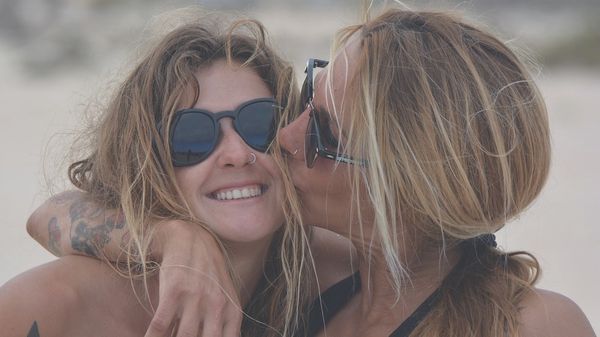


As human beings, we hurt, disrespect and offend others. In these times, we need to drop our pride and say, “I’m sorry.” Other times, though, we need to hold onto those two words. Apologies have become an automatic reaction to anything that seems like it might disappoint or annoy another person. Let's not overuse "sorry," for one because the word loses meaning when it's a default. Most importantly, though, it's because your interests, needs, and life are not to be apologized for. While the number of things we could – and should – stop saying “sorry” for is limitless, here are 12. Keep in mind, almost any of the following in extremes could lead to legitimate hurt, disrespect or offense and could necessitate apologies.
1. Needing time to put your change in your wallet.
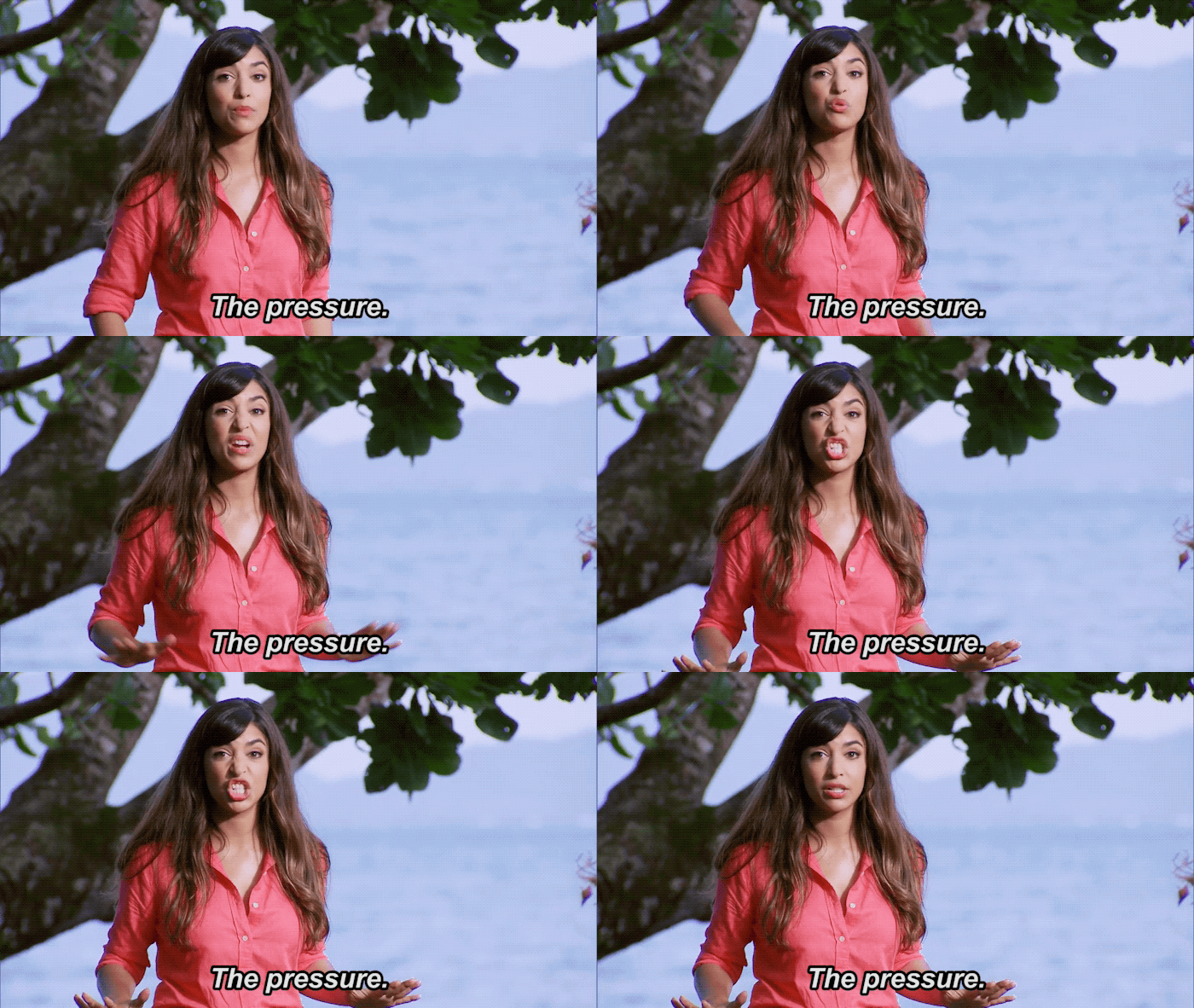
As stressed as you feel, nobody really cares if you take an extra five seconds. Just breathe, put the cash safely away and live your life.
2. Saying “no.”
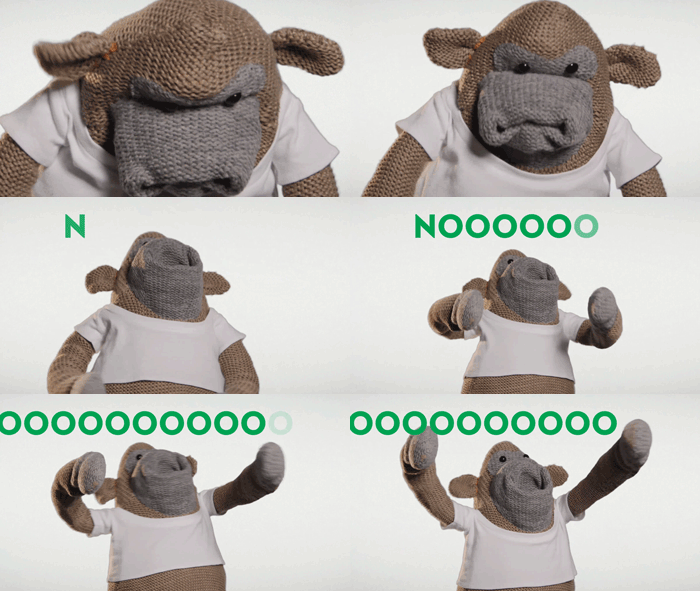
You don't have to do everything.
3. Taking time for yourself.
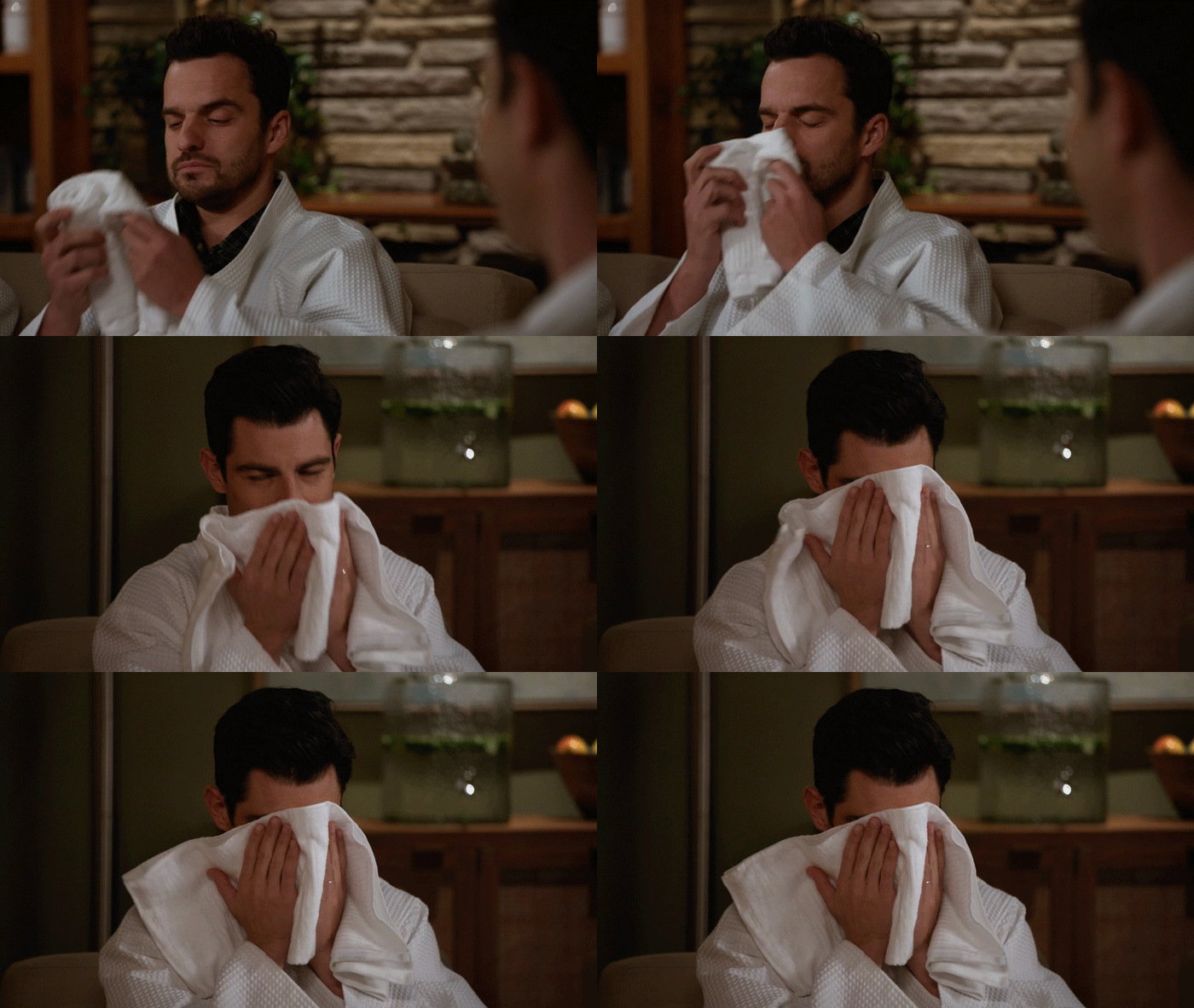
4. Standing up for what you believe in.
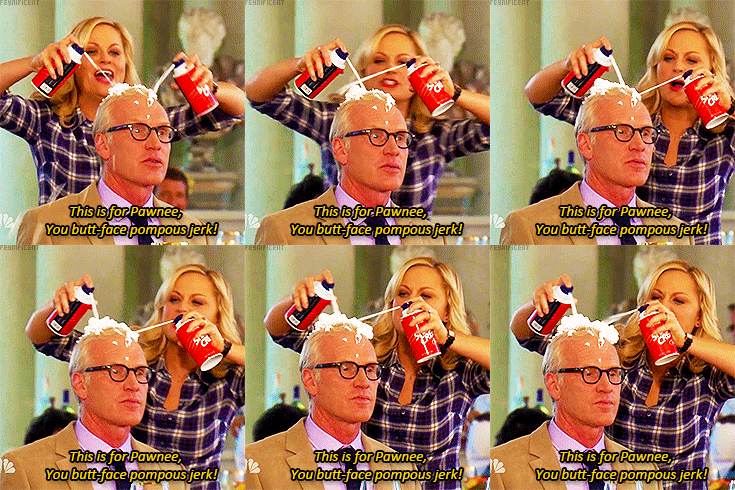
Maybe don't spray shaving cream and yell insults at others, though. That may need an apology.
5. Your taste.
In music, books, movies or ostrich shaped alarm clocks.
6. Taking too many photos.
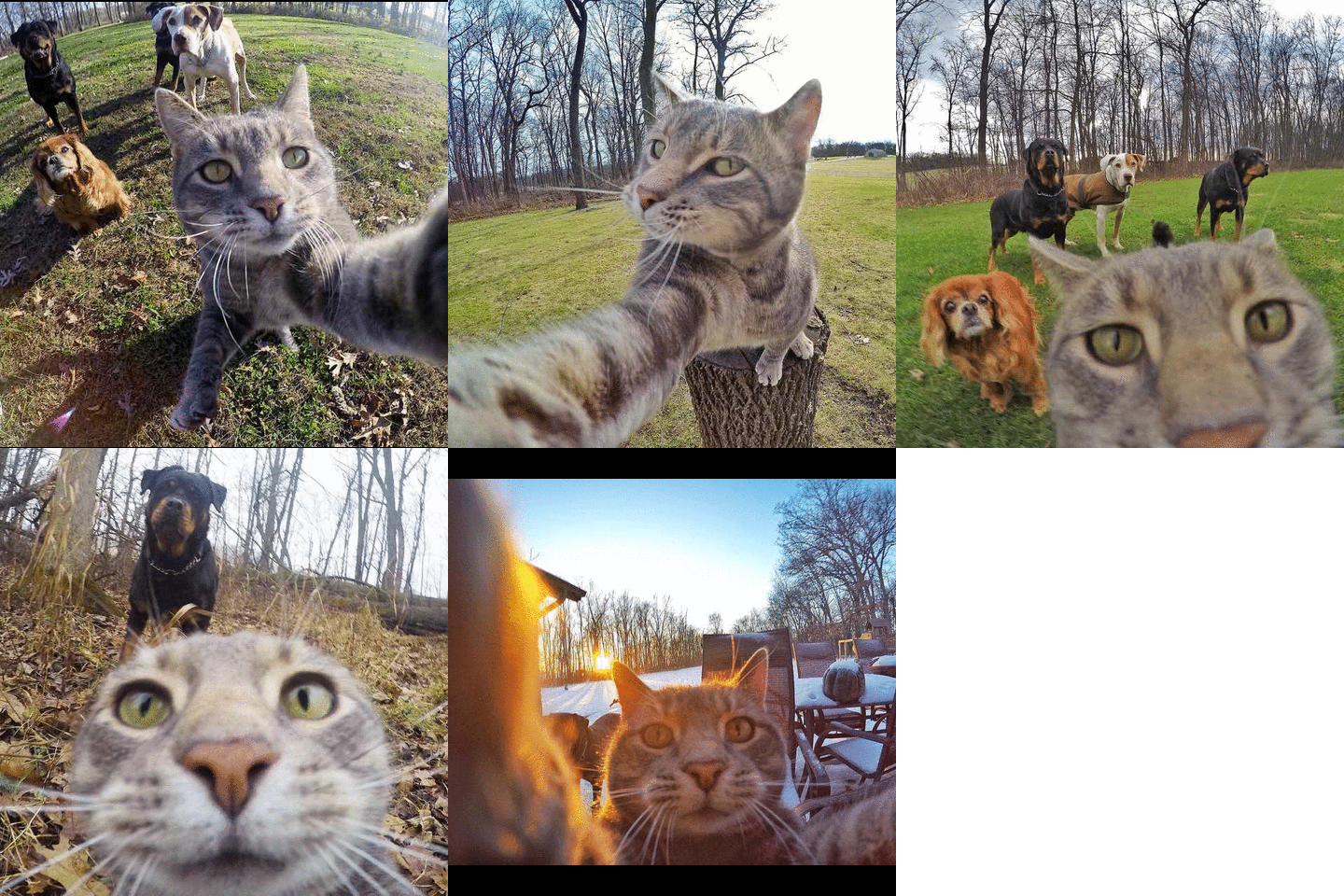
Be sure to not get so caught up in documenting instead of living the experience you're in, but there's nothing wrong with capturing the moment.
7. Laughing loudly.
Given the situation is appropriate, of course.
8. Not meeting other people’s expectations.
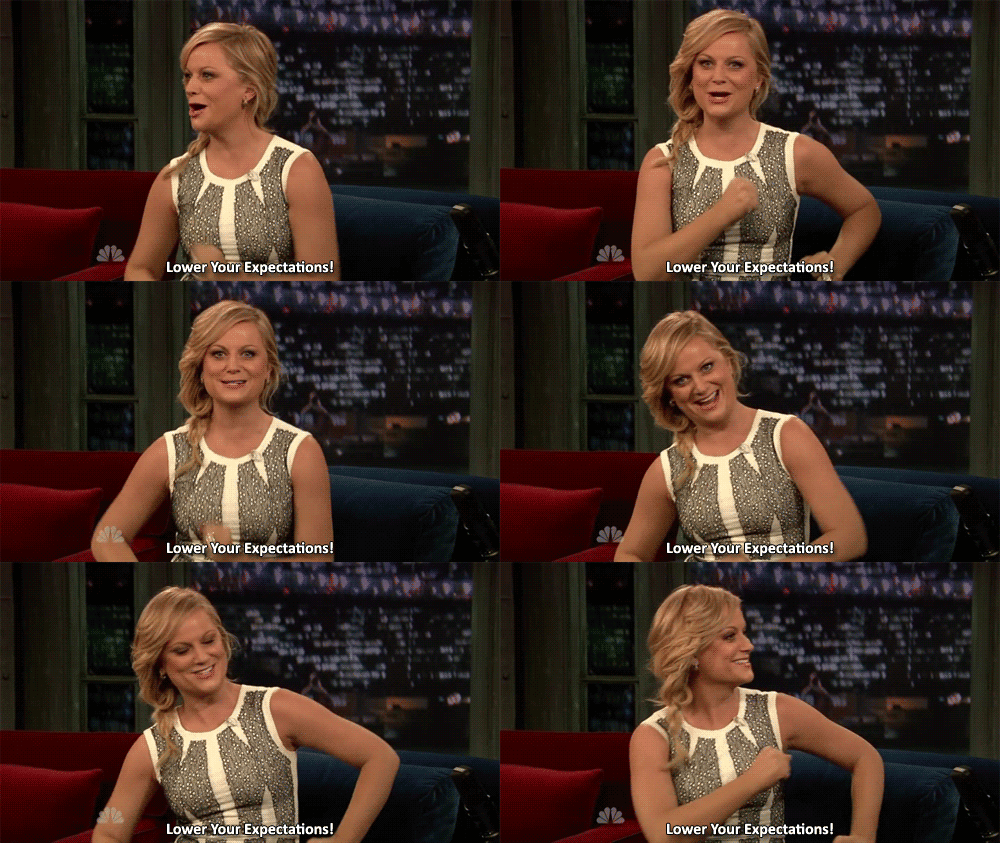
Outside of the expectations you've signed up for or agreed to- such as in a job- you don't need to be or do what others want.
9. Being “too much.”
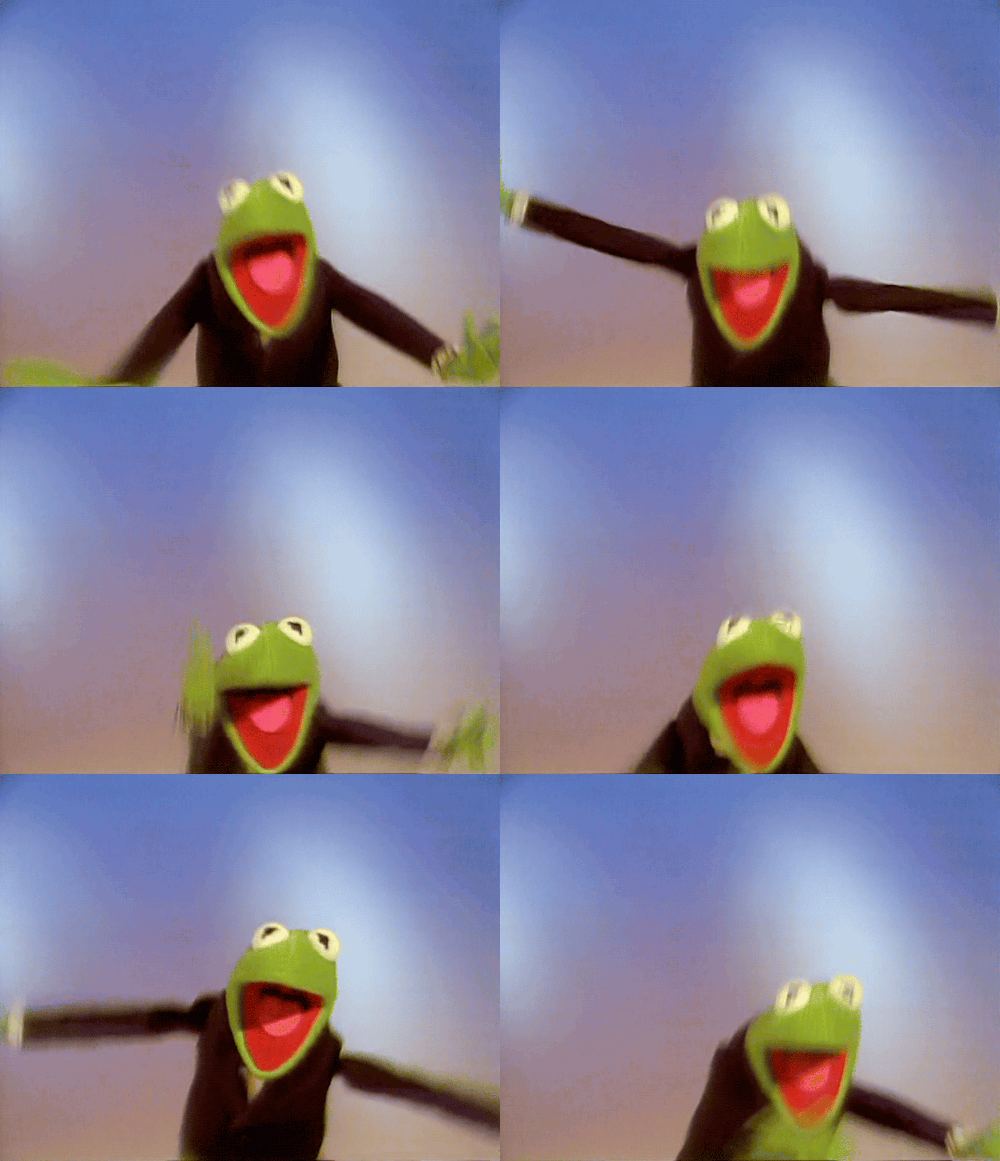
Too much what? Excitement? Goofiness? Ridiculousness? Whatever it is, frog-et about it. (Is my pun too much for you? Well, I'm Kermit-ted. And I'm not sorry.)
10. Trying to find the words to say.
11. How you feel.
12. Your overall existence.
Say you're sorry when you need to, but don't overuse it to fill space.