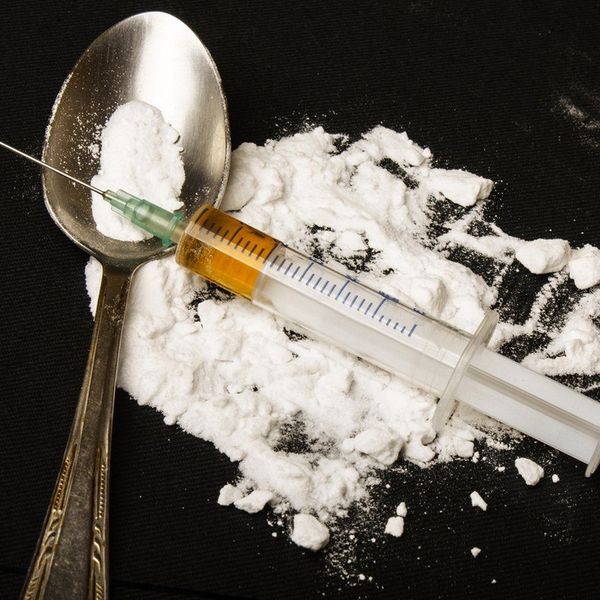
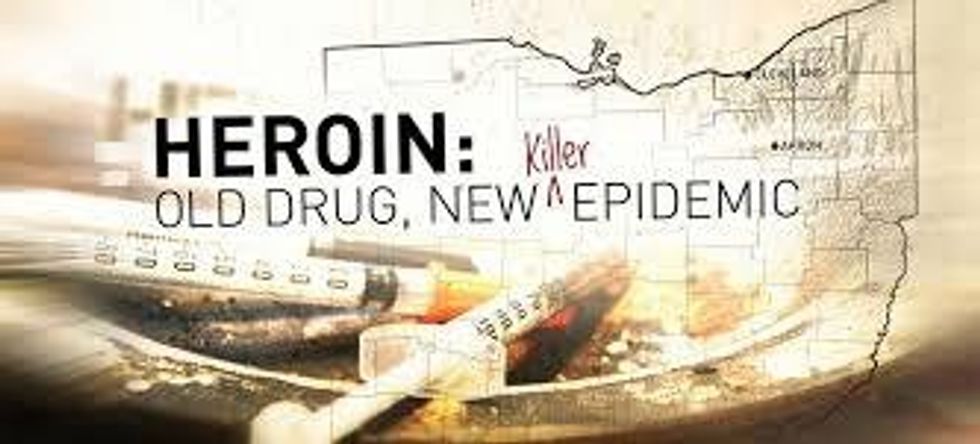
There is a plague slowly trickling across this country; this plague goes by the name of heroin. The rise in heroin-related deaths/arrests is moving across the nation, from every side. Before this problem was a hot topic, the stereotypical “heroin addict” was thought to be grimy inhabitants who roam the streets and alleyways. Today we see people that remind us of Aunt Susan and Brandon down the street, instead of the cast of “Rent” the musical. The availability of this drug has made obtaining it as easy as meeting a friend. This opens the gates of our communities to the virus. So we know the problem, what is the solution?
A lot of time, when human beings have to find the solution to a problem, they feel the necessary first move is to find who is to blame for the problem. In this situation no one can agree on who to blame, and therefore, a solution is not in our near future. There are many areas at which the finger could be pointed to for blame: genetics, decisions, psychology, social environments, painkillers, and dealers. Take a look at each excuse that society tries to make about this epidemic, and see the problem from each side.
Genetics
From a genetics standpoint comes the explanation that addiction comes from a family member, and can line the limbs of your family tree. Pretty much, they are looking at addiction like it is a trait that can be passed down from parents to their children. Therefore, the victim shouldn’t be the one to blame, it should be the person who started this lengthy domino effect.
Psychology
Similarly, psychology is a responsible party by being a disease. This is difficult because the person to blame is nonexistent. This tends to make the solution process nonexistent. A large amount of the people that hold this belief tend to have someone in their life that has been a victim to this monster.
Decisions
Blaming the problem of heroin use on the user themselves is the easiest finger to point. There is a big part of society that says the decision that is made before using heroin is the major problem. These people are making the decision, and the impact is what they are going to get, even if that means death. Some people from this group of believers can agree that there can be a trait to blame as well, but the trait wouldn’t exist if the decision wasn’t made.
Social Environments
When there is talk about drugs, a lot of times the subject of peer pressure comes up as well. The blame in this social aspect is pointed at the people we surround ourselves with, the environment we live in, or the lifestyle we have. This becomes a hard solution to configure because that means pinning the responsibility on one single person, environment, or lifestyle.
Painkillers
The last person society seems to blame is the doctor who wrote your prescription. These occurrences start with the prescription of pharmaceutical-grade painkillers. There is always the risk of becoming dependent on these harsh drugs, and when the prescription is empty there is the choice of a harsher option: heroin. There is the common belief in our society that every medical complaint can be “fixed” with a cocktail of pills. So, it is more often that we see people losing this fight with addiction after being prescribed pain medications.
Dealers
If there was someone to actually blame for this issue, why go for the victim; instead, look at where it comes from. The people who are selling it hold a very large role in this epidemic. Blaming anything/anyone other than the people who are putting this drug out there is a waste of this country’s effort, money and time.
Regardless of who is to blame, there is a problem, and pointing the finger to anyone isn’t bringing a solution to the surface. Whether it is a disease, a decision, or a way of life, it needs to be stopped. Parents are losing their kids, children are losing their parents, and people are losing their lives.