
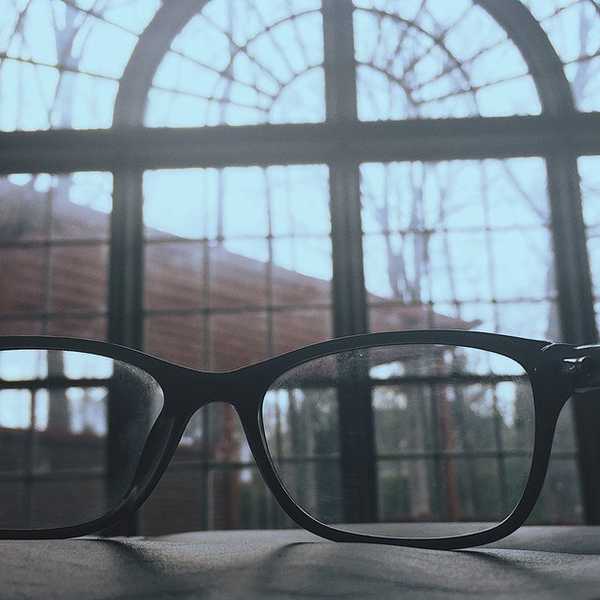
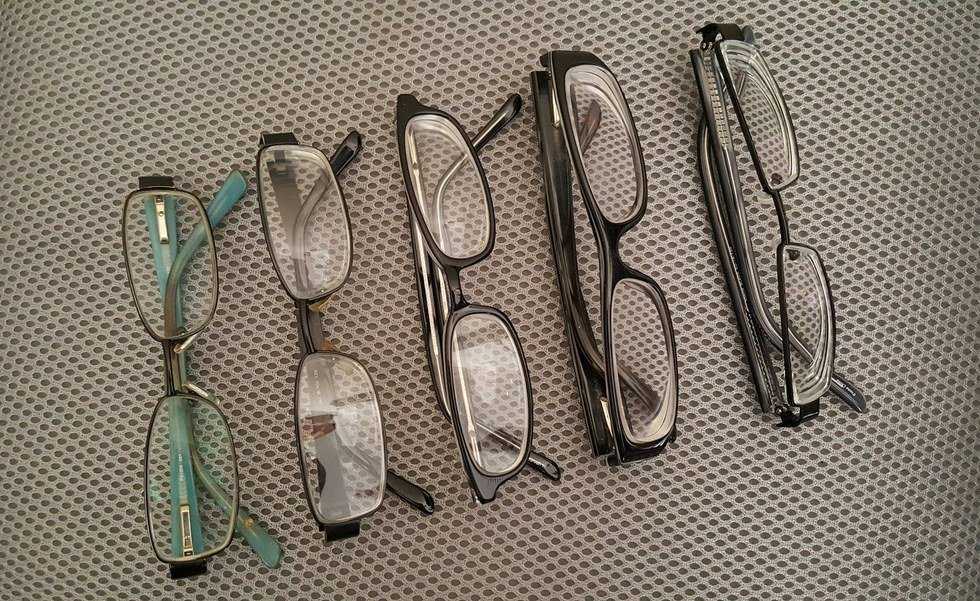
A few months ago, around Christmas, I realized that my eyesight seemed fuzzy. I’ve been wearing glasses since I was eight years old, so this wouldn’t have been terribly unusual if my glasses hadn’t been so new — I had only received my latest prescription six months prior. I finally went to my eye doctor last week and, after being told that my left eye had become significantly worse, I joked to my husband that I was eventually just going to go blind on that side.
Keeping a sense of humor as I looked at new frames, I chattered on about how I was going to bedazzle the eye patch I would wear and how I’d be the snazziest pirate ever. We laughed at the mental image, but I actually take my vision very seriously because declining eyesight is an important problem in today’s world. A study done by researchers at the Brian Holden Vision Institute in Sydney, Australia, recently determined that if current trends continue, half of the world’s population will suffer from partial vision loss by the year 2050. The researchers also predict that one-fifth of those sufferers will go blind due to their myopia (known as nearsightedness). These numbers represent a rather substantial increase in the number of sufferers over a very short period of time — 2050 is only 34 years away.
In short: if we don’t change our habits, half of the world will need glasses just one generation from now.
You might wonder what could be causing such a rapid increase in nearsightedness and what we can do to prevent it. The researchers have answered that question: “The projected increases in myopia and high myopia are widely considered to be driven by environmental factors, principally lifestyle changes resulting from a combination of decreased time outdoors and increased near work activities, among other factors.” In simpler terms, people are spending too much time on screens and too little time outdoors. Although age and race can also influence the development of myopia, our dependence on cell phones, tablets, computers and other screens is a key aspect of this problem.
We all know that cutting out screens is impossible in today’s society. Smartphones and televisions are everywhere, tablets are becoming increasingly popular and computers are necessary to function in daily society. So how are we supposed to fix this issue? A short piece written by Dr. Hansjoerg Kolder at the University of Iowa suggests that taking short breaks every 10 to 15 minutes will help reduce eye strain that can be a cause of myopia.
Although taking breaks will help, the very best way to avoid causing damage to our eyes is to put down the screens as much as we can. Your cell phone won’t disappear if you don’t look at it for a half hour and all the Netflix binges can wait. In addition to regular breaks from our televisions, laptops and cell phones, regular eye exams are more important than ever. If you are at risk for eye problems, you should be having an eye exam every year. Risk factors include a genetic predisposition, age, race and occupation; if your parents wear glasses and you work with computers all day, eye exams are incredibly important to identify possible problems before they even occur.
I know screens are amazing; if you ask my husband, he’ll tell you that I’m the first person to have Facebook open on my laptop while I’m using Tumblr on my phone. But even I, an obsessed member of the technological age, have begun to heed the warning provided by the researchers.
As fun as it is to joke about, I think I would make a really awful pirate.