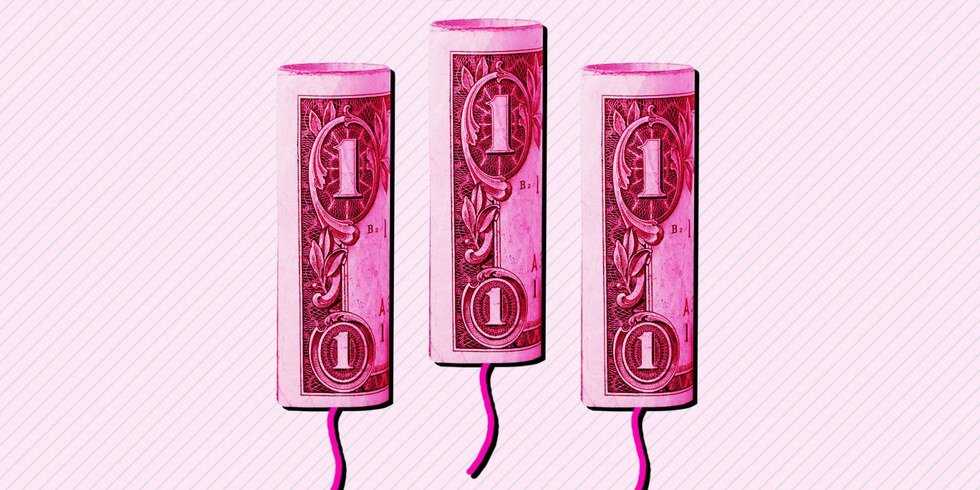
As of May 2016, the New York State legislature passed a bill that exempts menstrual hygiene products, such as tampons, from not only the state’s 4 percent sales tax but also from local taxes. Supporters on this notions fought that tampons are just as necessary as condoms, which are already exempt from the sales tax. Not only have they passed this bill, New York City Council members are taking it a step further and proposing a legislation that will provide free tampons and pads to girls and women in NYC public schools, correctional facilities, and shelters.
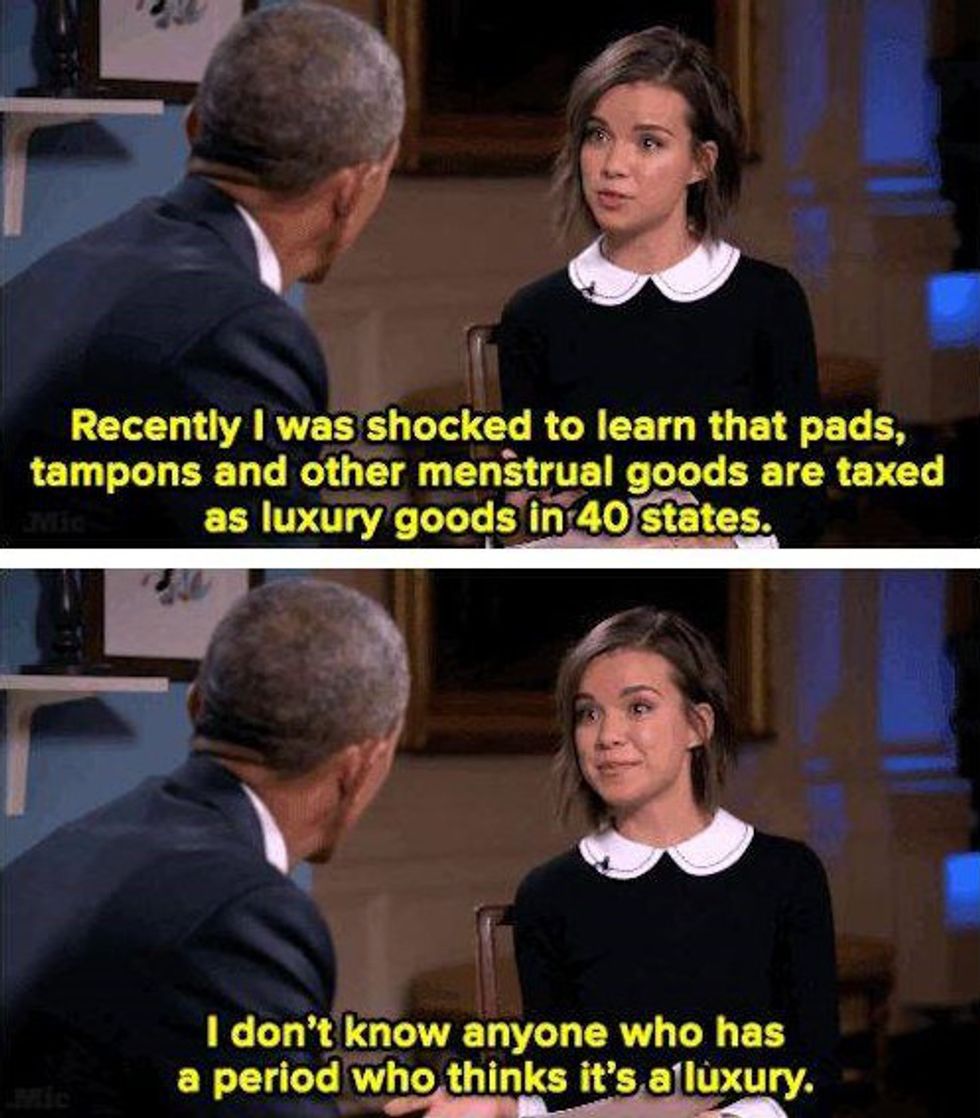
In 39 out of the 50 states in the U.S., menstrual products are placed under the luxury tax. The luxury tax is a tax placed on products that are deemed to be unnecessary or non-essential, which means that products us women use to care for a normal bodily function we experience every month for the majority of our lives are supposedly non-essential to us. Not only are these products taxed as luxuries, but most public facilities, such as public schools, shelters, and correctional facilities do not provide these products for women. Ironically, condoms which have been exempt from the sales tax can also be found indispensable machines for free on college campuses, yet tampons cannot even though they are used for a normal bodily function that women cannot control.
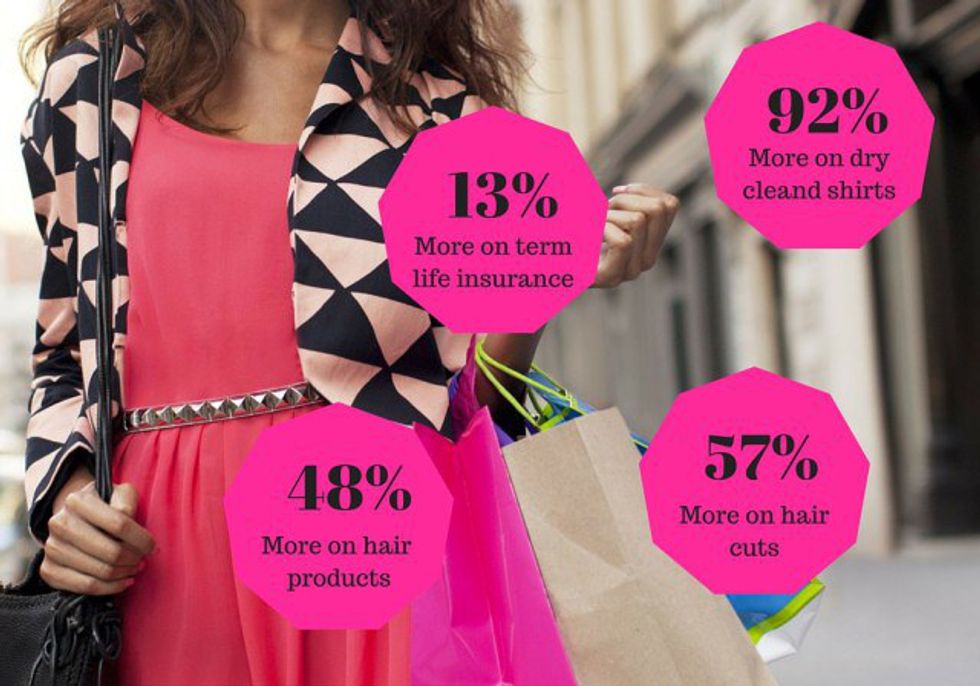
In general, women's products are more expensive compared to men's product, even if they are very similar. This phenomenon is called the Pink Tax or the Women's Tax. The Pink Tax refers to the extra amount women are charged for certain products or services for things such as personal care products, dry cleaning, and even vehicle maintenance. A study in California that was conducted in 1995 revealed that women pay $1,351 more annually than men do for the same products. In December of 2015, the New York City Department of Consumer Affairs also conducted a study of 800 nearly identical products with female and male versions. The results of the study found that on average, women's products cost 7% more than men's products. Not only do women pay more for personal care products, but before President Obama administered the Affordable Care Act in 2010, women paid an overall amount of one billion dollars more than men for health insurance premium.
Unfortunately, women still face the wage gap. Women who work full-time, only earn about 78% of what their male counterparts would earn. So, not only does the wage gap make it tougher for women to save money and pay bills, but we are also paying more for services and products.
(Sources: http://www.businessinsider.com/womens-products-mor..., http://www.marketwatch.com/story/5-things-women-pa..., http://money.usnews.com/money/personal-finance/art..., http://takingnote.blogs.nytimes.com/2016/05/26/a-w...)