


"Wow that test was so hard, I'm triggered."
"I hate school, it sucks, I'm so triggered."
"Work today was so stressful, I'm feeling triggered."
As a young adult in the United States, I constantly hear this phrase
by friends and colleagues around me: I am triggered. It's a fairly
popular expression, thrown around casually in conversations and taken
fairly lightly. However, I can't help but feel uncomfortable when I
hear people using this phrase because nine times out of 10, it's being
used incorrectly and inappropriately. And those saying it generally do
not know there is a serious emotional implication to the word "trigger."
One definition of trigger is "a stated warning that the content of a text, video, etc., may
upset or offend some people, especially those who have previously
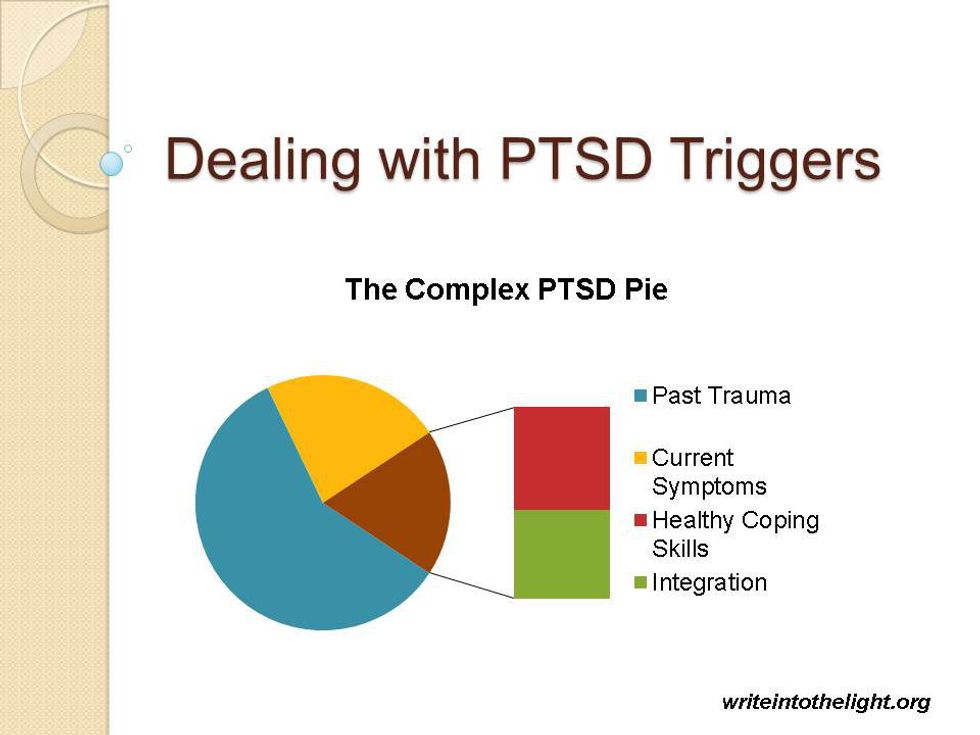
experienced a related trauma." To put simply, a trigger is anything that
causes a person to relive a traumatic experience, including people
suffering from PTSD, like soldiers or rape victims.
With knowledge comes responsibility. Knowing what "trigger" might mean
to a victim of rape for example, it seems callous to flippantly throw
around a word that can imply an event that caused intense emotional pain
in someone. The same can be said about the word "retarded." So many
kids and adults throw around that word and insert it into casual
conversations, not necessarily meaning to be offensive, but nonetheless
coming off as disrespectful to those who do or know someone who does
suffer from the actual mental handicap called retardation. But as more
people spoke out and expressed their feelings of discomfort with the
slang, the word decreased in overall usage within casual conversational
settings. People realized that the word described a serious mental
health condition and, slowly but surely, the word regained respect and, through that, so did the community of those mentally
handicapped.
That's
the same type of movement that needs to happen with the word
"trigger." If the respect for that word can be regained, so can the
respect for the victims of trauma. It's only through people holding
others, including themselves, accountable and having conversations where
they consciously avoid using the word "trigger" casually, can the word
be reserved for serious usage pertaining to traumatic events.
So let's work together to strike this word from our daily vocabulary and in doing so, pay respect to all victims of trauma.