
It can start with just a word. A touch. A smell. Much like a domino effect, one sense awakens all of the others. Suddenly, you are taken to another time and another place. Many memories are good, many are bad. Some you never want to let go of, others you try every day to forget. I hold one such memory in my mind, one piece to my puzzle. This memory is faded and its edges are worn. It is one that I try to forget every day, but without it, I wouldn’t be who I am today.
It was fourth grade, a good year for me as I learned so many new things and loved my teachers and enjoyed all of my classmates. There was one boy who I had grown close with as a friend. His name was Tyler. We did everything together. I guess you could say it was a crush, but at the age of nine all I could think was that I just wanted to be friends. Unfortunately, our peers starting making fun of us, labeling us as “girlfriend” and “boyfriend.” I was embarrassed by their teasing, but I ignored them and hoped that Tyler would do the same.
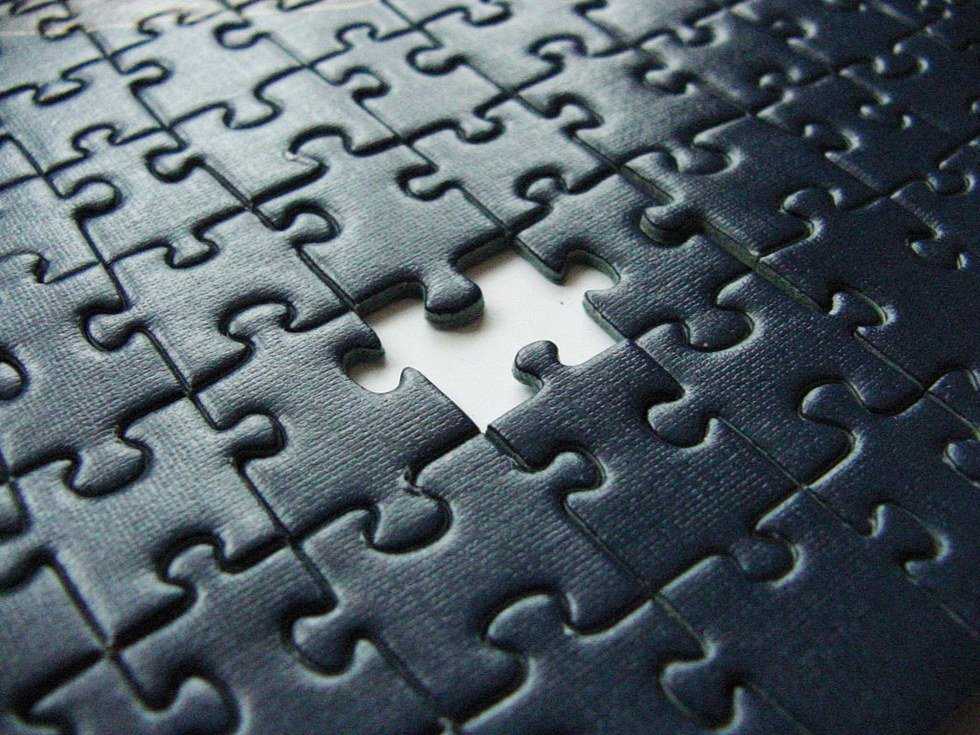
Just as it is triggered in different ways, a memory comes in a variety of ways. Some are sad, some are happy, and others can seem very ordinary. From fourth grade, I remember the clothes that I wore, the smell of the books I read in class, the sound of the bus chains as it rattled down the road. Every memory we retain makes up a chain of chemical interactions connecting millions of neurons to one another. Each of these neurons has branching filaments called dendrites. These dendrites receive chemical signals from other nerve cells and send information onto the next cell. If one memory is taken away, all of the other memories will be affected. Like a puzzle, each piece is necessary to make a person complete.
Without memories, you have nothing. It’s almost as if you haven’t lived at all. Remembering how to tie my shoe, butter my bread, or kiss my little sister is all stored in my memory. Specifically, this is called an implicit or procedural memory and these memories are distributed throughout the brain. When we learn something new, chemicals in our brains strengthen the synapses, a junction between the two nerve cells, connecting the neurons. Over time, these memories become long term because they have become so habitual. They strengthen. They form the basis of what we know.
Emotional memories also contribute to completing the puzzle. These are the memories that evoke feelings such as fear, shame, happiness, joy, hope and love. Interestingly, these memories are stored in a special place called the amygdala, an almond-shaped set of neurons, which is placed in the temporal lobe. These memories can be the most joyful as well as the most painful to look back upon. Perhaps this is why they are so deeply imbedded into the brain. My memories of Tyler are all held in this place—both the good and the bad. I remember playing in the sand box at recess, playing hide and go seek in the classroom before school started and sitting at the same table during lunch. I remember when he no longer acknowledged my existence and told me to find another boy to play with. The weight of these memories nearly crushes me.
Conscious or visual, memories are also essential to our memory. These memories are the everyday things that we need to remember, such as dental appointments, what time we need to get to work or school or remembering our grocery list. These memories are stored in the hippocampus. The hippocampus is the floor of each lateral ventricle of the brain and is thought to be the center of emotion and memories. Memories are so closely connected with emotions. Perhaps this is because even the everyday things that we remember are so ingrained into our minds that it forms the basis for our other memories. One thought sparks another thought, just as one memory sparks another memory. The memories of Tyler spark other similar experiences that I have gone through in life. And the domino effect begins. I remember my best friend telling me in the eighth grade that I was no longer interesting enough to be her friend, my first boyfriend breaking up with me because some other girl had caught his eye and another good friend rejecting me because I no longer mattered to them. Each neuron that forms our memories branches out to other neurons, creating an entire network of neurons. Puzzle pieces placed side by side to create a finished masterpiece.
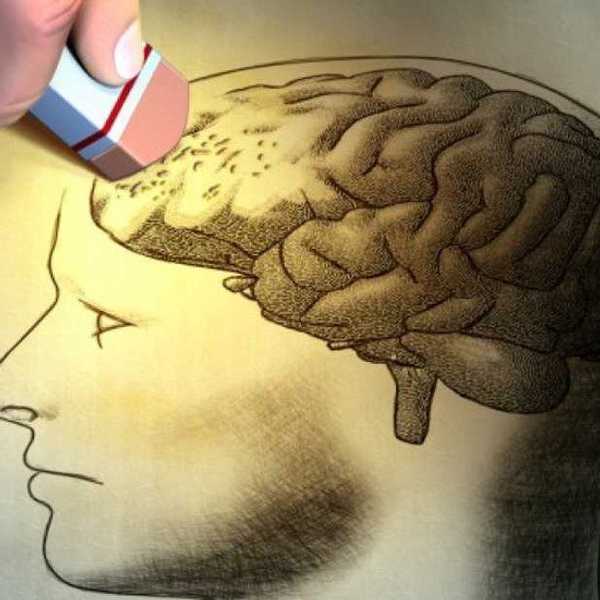
Plato and Aristotle believed that memories were like thoughts that were inscribed on wax tablets, easily erased and used again. Memories are not that simple to be rid of, however. Traumatic events tend to haunt us, lurking behind every thought like a stalker. When something horrific happens, we tend to want to forget about it and erase these frightening memories. If only we could just pluck the horrible memories from our minds and leave all of the good ones. But this wouldn’t work, because they are all pieced together. If one is taken, it destroys the rest, leaving an unfinished puzzle. I sometimes wish that I could forget the pain of the past, but I would not have grown as a person if I did not experience all that I have gone through.
Memories make us who we are. Each is a milestone in our lives, marking where we’ve been and where we’ve come from. We don’t realize how precious they are to us, until they are forgotten or taken away. As we age, we tend to lose our memories. We struggle to remember the events that made up our lives and the people who have touched our hearts in some way. Those who suffer from dementia have their memories taken away from them. It is a terrible disease to suffer from. It is not only the patient who suffers, but the family members as well. Imagine your mother or father not recognizing your face, or your spouse no longer knowing you after fifty years of marriage! This is why we must treasure each moment. Treasure all of the memories you have, both the good and the bad.