

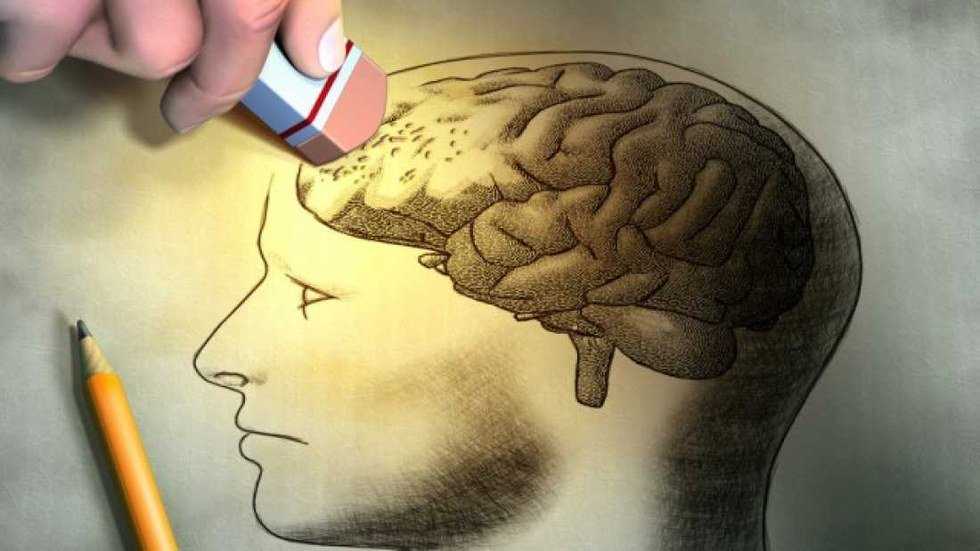
Memory... One of the most valuable tools we humans have. Or at least that's what we think.
Most people think of memory like it is the hard drive of a computer, where we store all the information we know and we can use it again later when we need it. However, scientists disagree with this. Unfortunately, our memory is not as perfect as the hard drive of a computer. In fact, it has many flaws.
Scientists describe memory as a physical trace formed in our brain due to strengthening connections between neurons, with the help of loads of proteins. This trace then strengthens by connecting to other memories we have, through the inter-neuronal connections.
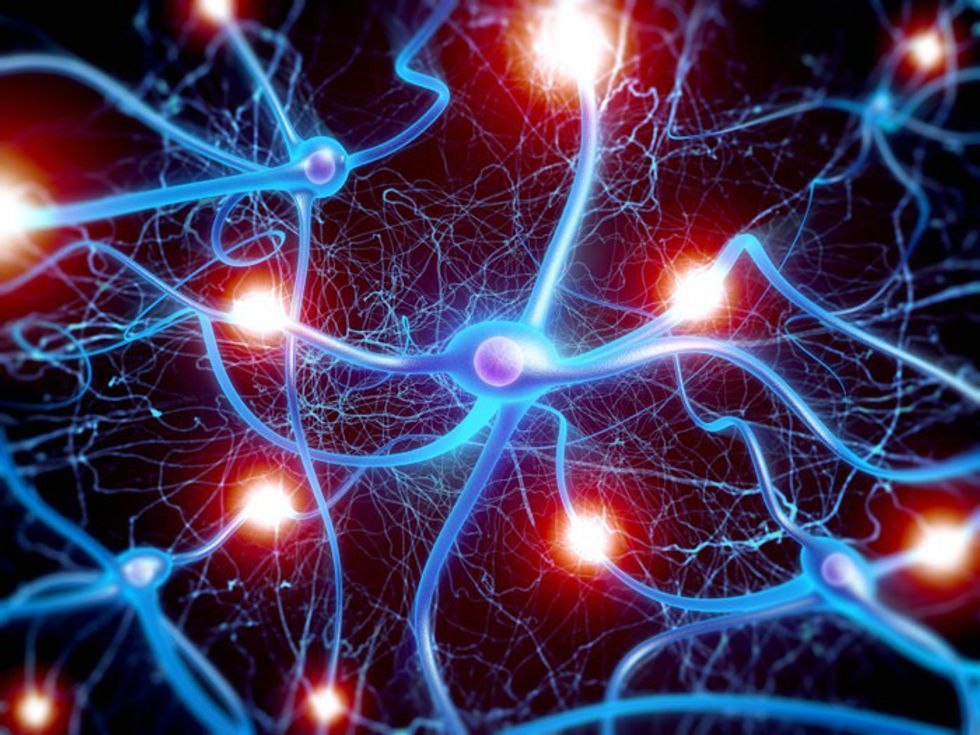
In order to investigate the importance of proteins in memory formation, scientists gave laboratory animals a kind of drug that prevents new proteins from forming in our neurons. What they saw was that those animals that used to be perfectly able to form new memories were no longer able to do that. Following up these results, they also tried to give the same drug while the animals were in the process of remembering a past experience. What they saw was incredible: the animals were no longer able to recollect that memory. Their old memories relating to a particular experience were erased!
So, does this mean that it is possible to obliterate memories? YES!
This method has proved to be effective on humans as well. Previously, it was used in the treatment of Post-Traumatic Stress Disorder on a rape victim. This person, who would crush every time she remembered the event, started to feel less intense about it, and even went on to give public speeches about the event. Her memories relating to that event were almost completely erased!
The process of erasing old memories is very straightforward. Every time we remember something, we actually recreate the memory, and those proteins that were synthesized when we were forming a memory are prevented from being synthesized by the drug when we are trying to recreate a memory. Therefore, because we are unable to recreate the memory, we are unable to remember what really happened.
We Can Erase Old Memories BUT What About Adding A New Memory?
Can we implant a false memory? Most people would automatically say no to this question since it sounds pretty counter-intuitive and inefficient to have evolved such a trait. However, scientists say yes!
Memory formation occurs in a series of successive processes. First, we process incoming sensory information, and then that information gets encoded and becomes a part of our short-term memory. The short-term memory is then consolidated into long-term memory. And finally we remember those memories by retrieving them from long-term memory to working memory to be used again.
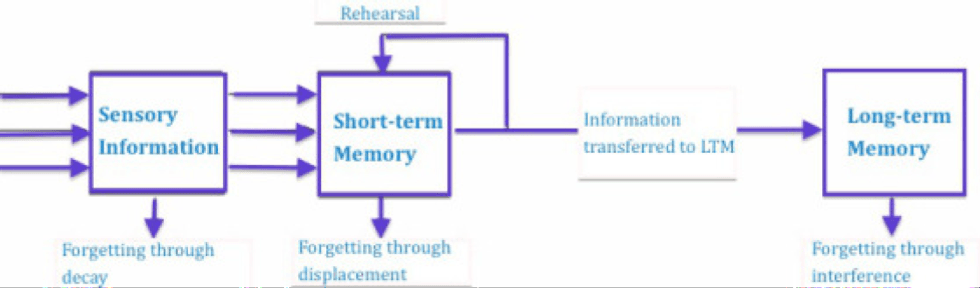
Every time we retrieve information from long-term memory, our memories become temporarily unstable and susceptible to alteration before they are reconsolidated. While this can be used to strengthen memories, it is also possible to distort them. Each time we activate a memory trace, it gets reprocessed and the memory changes slightly. And, the more you remember an event, the more it becomes about you, and the less it becomes about what really happened.
To give a specific example, say you and your best friend went to a concert together and while you really enjoyed it and kept talking about it for a long time, your best friend did not really care about it that much and did not think about it at all afterwards. Five years later, if you two were to describe what happened in the concert to someone, your best friend would have a more honest memory about it than you! Even if your version is more detailed... Actually you may have remembered it so many times that, you subconsciously started adding extra details to your memory, even though they were not true for that particular memory. This can almost naturally happen in a lot of people who are exposed to misleading information when they are remembering a specific event. This is called misinformation effect. Misinformation effect can lead to formation of many false memories, and sometimes those memories may be extremely rich in detail.
New research shows that it is possible to implant false memories in the human mind that can have significant long-term effects on thoughts and behavior. By presenting misleading information to a subject, scientists were able to create recollections of entire events that didn't happen in reality. In one study, they planted a false memory that the subject got sick as a child eating a certain food, and later they found that most of the subjects did not want to eat that food as much.
It is also possible to artificially induce a false memory via genetic tools, and this was experimentally demonstrated in laboratory animals before. For example, in one study scientists were able to create a false memory in mice by genetically manipulating the proteins found in the "memory cells" in their brains. Overall, their results showed that they were able to artificially generate a fear response that was both internally and behaviorally expressed. However, it seems unlikely for now that we would come to a point where we genetically implant false memories in humans.
Obviously, planting memories and trying to influence behavior in the long term has important ethical issues. When is it okay to use this method? Therapists are not ethically able to plant false memories in their patients, even if it helped the patient. Nevertheless, Elizabeth Loftus, a psychologist who specifically studies false memories, advocates that even if therapists do not have the right to do this, there is nothing to stop parents from trying this out on their children who may be suffering from a serious health issue like obesity.
Take home message:
It is okay to cherish our memories, knowing that they represent our identity, who we are and what we have been through. However, we should not forget that memory is a very fragile thing.
Learn more about how unreliable memory can be.