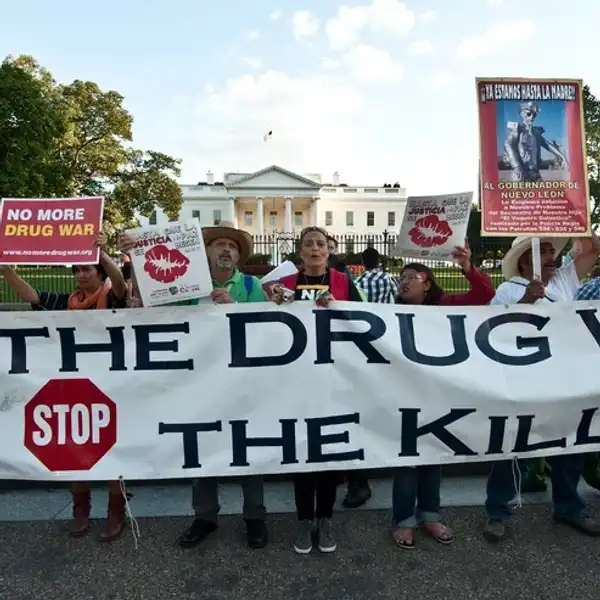
Marijuana has unfairly received a bad reputation over the past 100 years. When the Nixon administration declared the “War on Drugs”, that’s when marijuana became illegal and categorized as a Schedule I drug. Even though the War on Drugs has since been realized its true motivations, the ban on marijuana has still been an issue country wide. Last year, I had the opportunity to travel to Colorado, where the recreational use of marijuana has been legalized. Marijuana has been proved to be an excellent alternative for medical uses and has also proved its worth as being used recreationally as well. But first, I think it's important to start with the history of cannabis, starting with the "War on Drugs".
Surprisingly enough, the War on Drugs was never actually an effort against drugs, but instead a racial war. Nixon’s proposal for the War on Drugs and illegalization of marijuana was meant to target black and low income communities, in attempts to imprison them, making the War on Drugs an expensive, racist, politically motivated movement. This led to blacks being locked up for long periods of time on seemingly small charges, leading to the overpopulation of prisons, not to the ruining of so many lives.
Also, it was because of the War on Drugs that marijuana was scheduled as a Schedule I drug, in the same category as LSD, MDMA, and even heroin. This categorization of marijuana seems oddly far-fetched, but again, this was at the doing of President Nixon. However, it has been in recent news that ever since a letter submitted last year by Senator Elizabeth Warren, including seven other lawmakers, asking for the rescheduling of the herb, the Drug Enforcement Administration (DEA) is currently taking it into consideration. This is because of federal lawmakers making the argument that a Schedule downgrade of marijuana would open so many doors to the study of medical benefits of the herb and that Americans in certain states are lawfully using cannabis for either recreational use or medical use already. The DEA has announced that there will be a decision whether or not there will be a reclassification of marijuana by the end of summer 2016. According to the DEA, the agency has been taking into consideration from the latest findings of the U.S. Food and Drug Administration that support scientific evidence stating that cannabis is a safe, natural, effective drug. So this alone should suggest big changes in the near future.
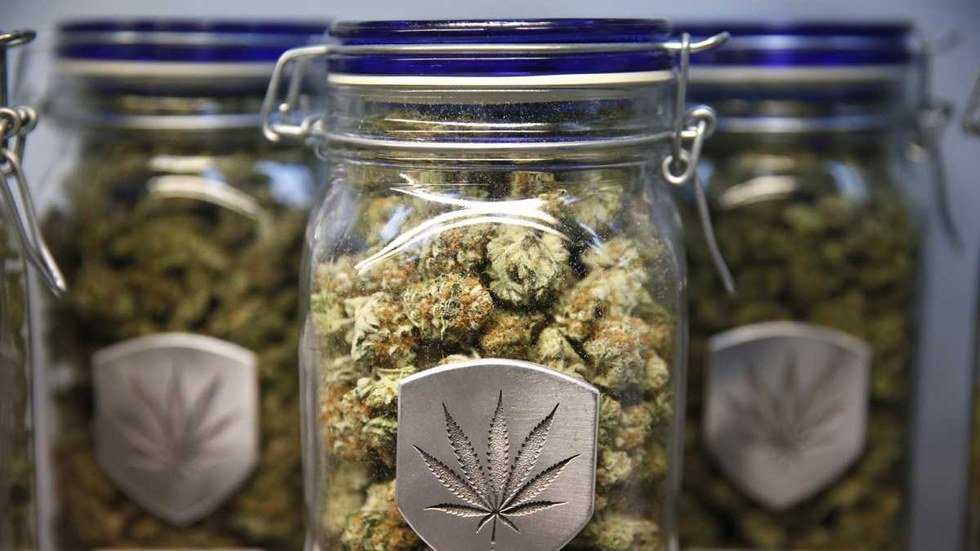
Like I mentioned, the rescheduling of marijuana would provide so many opportunities for scientists to fully study the drug for medical purposes. Eighteen states and the District of Columbia have legalized the medical use of cannabis, Pennsylvania being close to being the next added to that list. Marijuana has been proven to be a safe, effective alternative to pharmaceutical drugs. There are many different kinds of medical cannabis that have specific strains and abilities to aide with a wide array of pains and diseases. Patients suffering from cancer, HIV/AIDS, ALS, PTSD, Parkinson’s, Epilepsy, Seizures, Huntington’s, Crohn’s, chronic pain, autism, and even menstrual cramps can benefit greatly from the legalization of medical marijuana. Medical marijuana can also be taken in many forms other than smoking, including: pills, oils, vapors, lotions and teas. Since medical marijuana is so versatile and comes in so many different forms, patients can find the method that suits them best.
Marijuana can be beneficial not only medically, but recreationally as well. Only four states in the nation allow recreational use of marijuana: Alaska, Washington, Oregon, and Colorado. Like I mentioned before, I had the chance to visit Colorado in April 2015. After walking around Denver and surrounding areas, I noticed that dispensaries were located on almost what seemed every block. Colorado businesses have been booming since the legalization. I spoke with a resident of Denver who mentioned that a town called De Beque was at the brink of becoming a ghost town, and if it weren’t for retail marijuana, De Beque would be nothing. The tax revenue on recreational marijuana saved the town. Speaking of tax revenue, the state of Colorado brought in more than $135 million dollars due to marijuana taxes and fees in the year 2015. $35 million of that went towards school construction projects. Obviously Colorado has benefitted greatly from the recreational demand of pot.
In conclusion, marijuana can be tremendously helpful to individuals and communities alike if it were to be legal for all uses nationwide. Patients would find relief and recreational users would be stimulating the economy. Cannabis proves itself to have a lot medical potential as well as a taxable recreational activity.