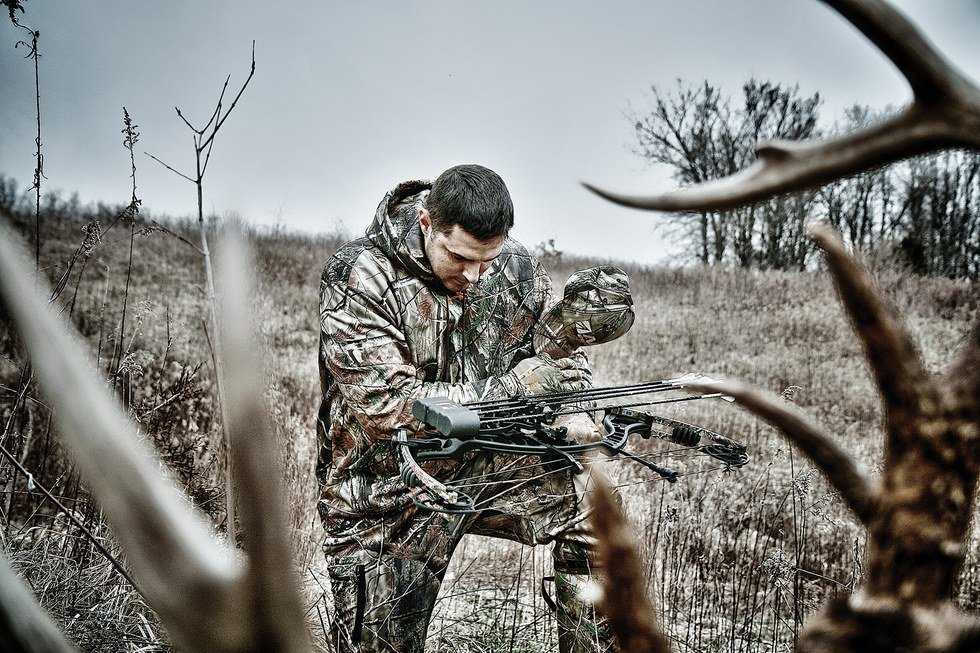
Being a hunter is hard; sometimes calling yourself a hunter can be even harder.
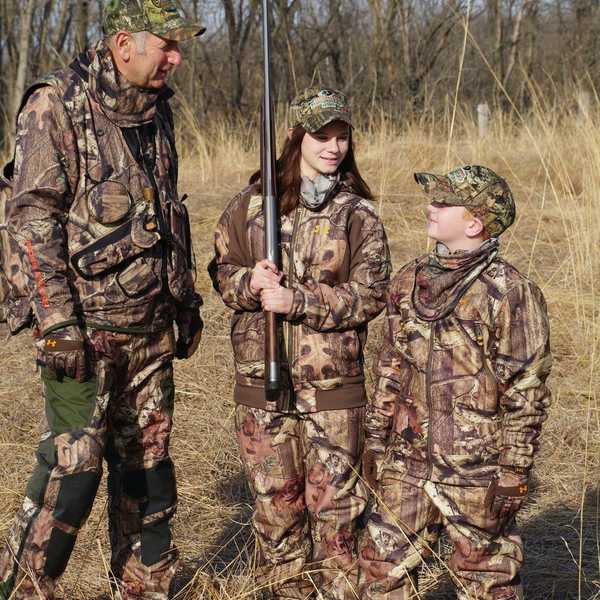
That’s why, when my dentist asked me what I’d be going on my trip I sucked in as much air as I could hold and held it before answering, “I’m actually going bear hunting with my dad.” Then I waited in the silence as her face twisted; trying to decide what she’d say to me.
She broke the quiet first.
“Really? I never would’ve pegged you as a hunter; that’s unexpected.” She then went on flossing my teeth, avoiding her usual small talk that escaped with her minty breath. After she had finished with my teeth, she thought of what to say.
“So… what’re are you going to do with it?” Although time had passed, I knew - based on her tentative voice - that it was all she had been thinking.
“We’re going to eat what we can and rug the hide,” I said.
“You eat the meat?” This perked her up a bit, she seemed more intrigued than disgusted.
“Oh most definitely. We don’t kill just for sport. I’d never kill anything just because I could; we use it all.”
“Oh, OK. I guess I don’t have a problem with that. Have a great trip!”
And then I left.
I don’t why, but somehow she had hunting in her head as simply a recreational activity, or a death without reason. I think that’s where hunting gets a bad rep: thoughtless mongers killing aimlessly. But the thing is, that’s not it at all - in most cases, the exact opposite. We’re conservationists; nature lovers. Hunting is more useful to both the animal kingdom and our own homes than many vegetarians not eating meat. The hunting process is very structured and thought out.
Hunting licenses and tags are distributed by the Department of Fish and Wildlife Services. According to the US Fish and Wildlife Service's website, every year nearly $200 million in hunter’s federal excise are distributed to State agencies. These funds go towards wildlife management programs, the purchase of lands available to hunters and hunter education, safety classes.
Hunter’s are concerned for the safety and well-being of both our environment and the animals living there.
Hunter safety courses begin as young as age 12. During those courses - whether it’s for bows or guns - hunter’s learn tree stand safety, species identification, shot placement and tracking, to name a few.
I remember when I took hunter safety, red food dye was used to simulate tracking an animal. Along the path they left the entrails of the dye - boxes, bottles caps. Although we did an excellent job of tracking the “animal,” my instructor said that we all failed. We had failed to pick up the garbage along the way - a cardinal sin for all hunters. He said that was the most important job of a hunter: to care for the ground we hunt; the ground we live on.
Aside from hunting licenses, the FWS also distributes hunting tags. The number of tags sold varies year by year, species by species and state by state.
For example, according to NorthAmericanWhitetail.com, Nebraska is one of the top ten states for whitetail deer hunting. With a population of 350,000, Nebraska has the power to distribute more tags than, say, New Hampshire; a population of 85,000.
With a high population of animals in one area, it can be hard to have enough food for all, it also makes it easier for disease to spread. That’s where we come in. We control the population and supply food for our families. Hunter’s aren’t wasteful. I have a friend and all they eat is deer meat; they haven’t gotten store bought meat - a much less ethical way of getting meat - in over 10 years.
Similarly, the FWS would never be wasteful. They would never distribute more tags than necessary to control our populations. Hunter’s are hunters not because we hate animals, but because we love them, and our planet, too much to let anything bad happen. We kill small numbers to allow the larger numbers a fuller life.
My dentist was appalled that I, a sweet girl she’s known for years, would kill an animal. But for me, the most shocking thing was how easily she changed her mind. Within a regular 30 minute cleaning she went from being completely opposed and oblivious to hunting, to having an understanding, and maybe, and appreciation for hunting.
This is the first part, of a mini series about hunting. Stay tuned for the next one.