I can't be the only one that remembers when the "Stereotypes Song" came out. I was in middle school at the time, humming it wherever I went, laughing with my friends about the bias lyrics within the song. I never took the song seriously back then, but now I fear that my generation is facing a problem beyond a simple satirical pop single--letting themselves become the stereotype.
I've nicknamed this crisis the Paradigm Problem, a cultural phenomenon where millennials take the names and stereotypes represented throughout pop culture and create a paradigm of themselves as the stereotype, personality and all. This wouldn't be such a grand issue if it weren't affecting the individual's own self-perception. In other words, the so-called "Basic White Girl" may feel that she is obliged to act in certain ways, wear makeup, always have Starbucks or be dressed in name brand clothing, while the "Hipster" feels the need to adapt themselves into that personality because it feels "right."

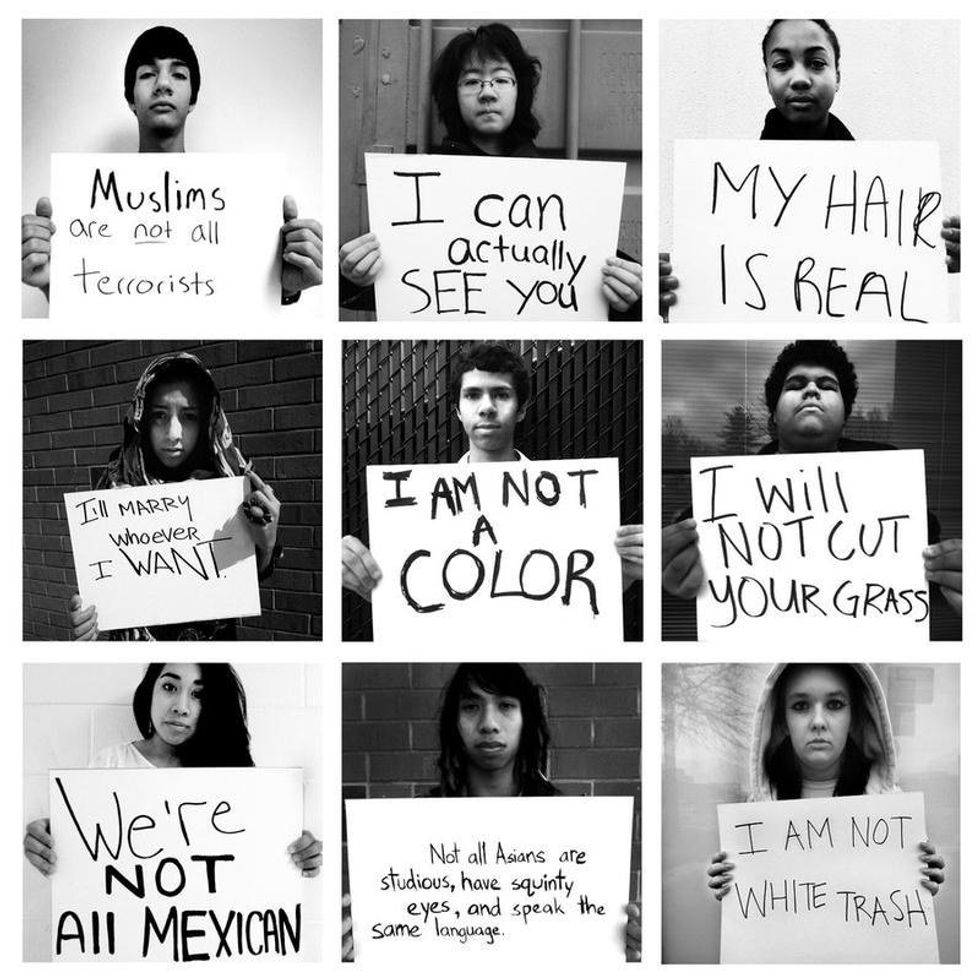
While some might argue that certain paradigms empower people or increase their self-worth (such as being called a star athlete), these paradigms can also lead to a few obvious downfalls: the first is that it gives popular culture power over ourselves and our confidence. It's a fact--we as people enjoy being organized, and what's better than organizing ourselves into certain groups and cliques to make our possible friends, love interests, and enemies more distinguishable from one another? Yet, we are giving power back to the same people that also gave us our "definition" of beauty and what an "ideal" life or career is like, both of which have standards that fail to be either acquired or represented by the average millennial today. This level of social conformity is particularly poisonous to young adults due to its impact on personal growth and creativity. The second issue is the fact that stereotyping has its roots in both racial and cultural bias: how a woman should be able to cook, how a man should be a breadwinner, how you'd expect a black person to be loud, an Asian to be smart, a Hispanic person to be an immigrant, and so on. With every name and paradigm we create, we also create a model of the person we'd expect to carry it. The social effects of these paradigms has created barriers between certain groups, a popular example still being blacks and whites (the average black person has about 84 black friends out of 100 friends). What's worst is that we look towards certain groups to live up to their stereotype or paradigm, creating an unprecedented bias and rift for us within our own shared culture. Psychologically, we might look to differing people, wishing that we carried their paradigm or stereotype even, which creates a lack of self-confidence. Or perhaps, we take our paradigm too seriously, hoping to live up to everything we were told to be, losing ourselves in the process of attempting to achieve the expectations given to us by everyone else. Being seen as a star athlete is nice until the expectations make the individual feel that they must always succeed in the game, and failure soon becomes a consequence instead a learning experience; or being called a "bad bitch" (yes, this paradigm actually exist) or even a "hoodlum" can encourage the individual to perceive themselves as this stereotype and engage in somewhat dangerous activities commonly associated to the name. This type of behavior could easily leave us feeling spent, anxious, lost, and down a bad path that could take years to recover from
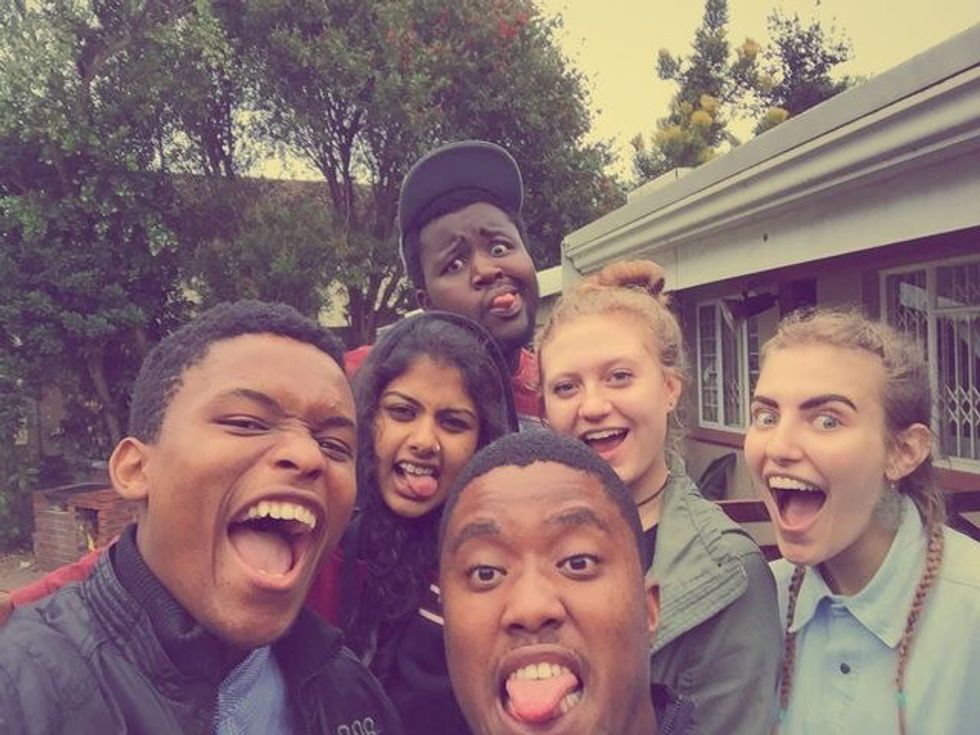
So, having expressed my opinion on this millennial problem, I'll admit my only known solution to it--smash the stereotypes. Go make new friends outside of your normal clique, go to new places, and create new experiences. Defeat your comfort zone. We needn't listen to everyone else's opinion as to what we should be, who we should befriend, or who and what we should love. This generation has proved mighty in the creation of new ideals, so why can't we change the way we view each other? Because we are not just black, or white, or Muslim, or strong, or curvy, or anything that a song called us out to be. But we are human beings, exactly who we want to be, each and every day of our lives. So whenever you can, do as you please beyond your given stereotype, because you are you before you are your paradigm.