

Recently, to get my mind off of problems both personal and...general, I've been reading some e-books on my Kindle. One of these, NeuroTribes by Steve Silberman, has been both entertaining and informative, especially concerning my understanding of and relationship with the autism community.
To summarize for those not as intimately involved(aka, are or know somebody autistic), there are two general ideas of what "autism" is and how to respond to the condition. One, as popularized by organizations like Autism Speaks and most major autism charities, is autism as a disease that afflicts and "ruins" children, cutting them off from the normal social world; therefore, it needs to be cured, leading to research into genetics and diets and how to prevent the condition from happening. The other treats autism as a trait, or difference of thought; there is a range or spectrum of both gifts and disabilities, ranging from non-verbal individuals who may not be able to take care of themselves, to brilliant but socially awkward individuals who can innovate in their chosen field, some needing more or different help with whatever issues they have. The author stumbled into this debate back in 2001, when he wrote an article associating the prevalence of autism among the children of Silicon Valley engineers with their parents' introverted and nerdy demeanors.
These two descriptions of autism seem almost contradictory: how can autism both be a rare and crippling disorder as well as a difference of minds that is in some level present in many people? That's a very interesting question. The short answer was that autism was discovered twice.
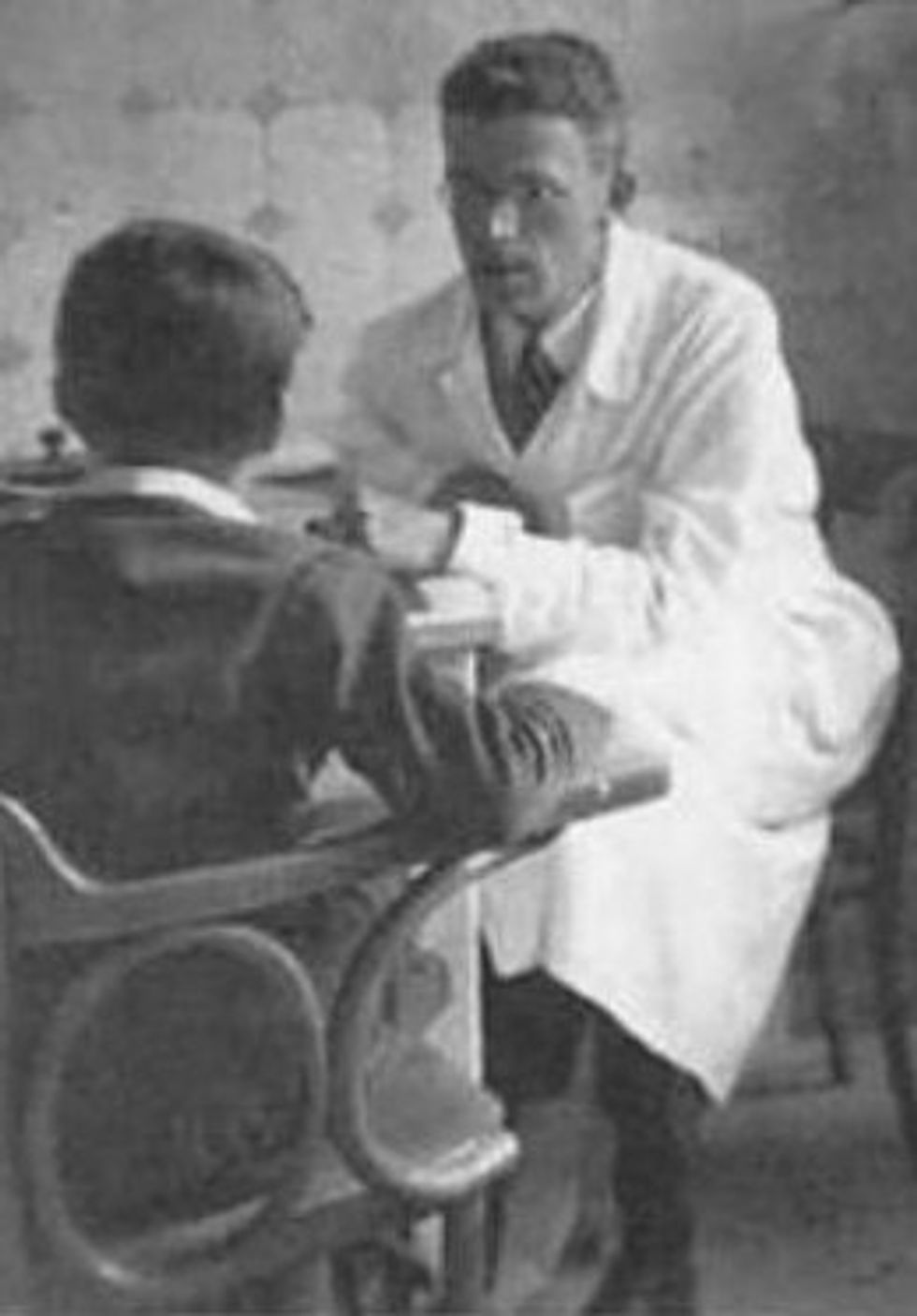
Meet Hans Asperger. He's the one in the lab coat.
Hans Asperger was an Austrian doctor who worked at the Children's Clinic at the University of Vienna, more specifically in the Heilpädagogik, or special education clinic. He worked with troubled or problem children, hoping not to understand just what was "wrong" with the child, but how to best help them learn and succeed. During his time at the clinic, some of the children had oddly similar challenges: while bright or notably intelligent, they would have an almost crippling focus on structure and rules, as well as challenges socializing with the other children. Asperger described these children as having "autistic psychopathy", or being lost in their own little world. In his post-graduate thesis, he described his "little professors" as gifted and bright in their own way, and that these gifts were fundamentally connected to their challenges. He even believed that some level of autism was required for thinking outside the box.
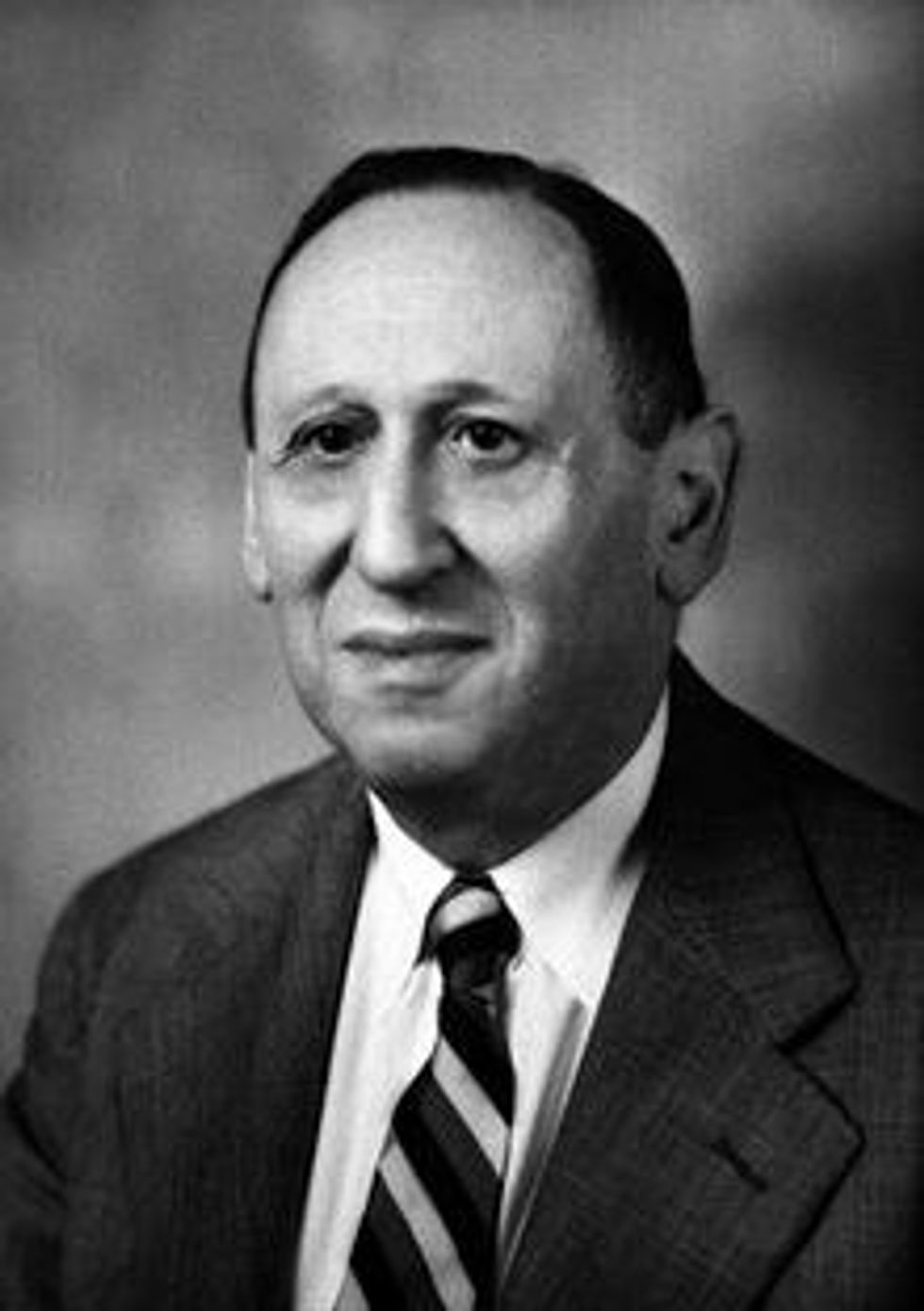
Meanwhile, across the ocean, Leo Kanner, an Austrian-Jewish emigre to the United States, was working with his own set of troubled children. Invited to Johns Hopkins to study psychiatry, he pioneered the field of child psychiatry, writing the first English textbook on the subject. One day, a lawyer wrote a letter to Kanner asking to help with his son, Donald, who wouldn't interact with his parents and could only repeat what other people said. ...heh. Anyway, Kanner gave this boy the diagnosis of childhood-onset schizophrenia, as was common for such behavior at the time. However, something didn't add up: too many children were being diagnosed as "schizoid", and it was dubious to attribute a disease that normally emerges at puberty to young children. In a 1943 paper, he articulated these children's "autistic disturbances", the two common features of all their conditions: their extreme levels of isolation, and an "anxiously obsessive desire" to avoid change. In 1944, he gave this condition the name of early infantile autism.
Why did Kanner's conception of autism, only affecting children, incredibly specific, and strictly negative, become the only version until very recently? Short answer: Nazis. Asperger's thesis describing his little professors was published in 1944, when Austria had been integrated into Nazi Germany and its eugenic death machine. The very first public talk on autism in 1938 was to defend and protect the children Asperger worked with as benefits to society, and not to be casually and systematically murdered like hundreds of other handicapped children. One of the biggest reasons Asperger's work was not widely recognized outside of Germany until the 1980's was that the clinic he did most of his early research from, and most pertinent documents, had a bomb fall directly on it during Allied bombing of Vienna.
It is easy to see how both discoverers of autism's viewpoints influenced what were seen as the most significant aspects of the condition. Asperger, working to find a way to reach out and teach the children in his care, saw the syndrome as something that differed for every individual and could bring benefits along with the challenges. Kanner, looking to catalog the different mental conditions children could suffer from, found another disease to be cured. Although both men died in the 1980's, their visions of autism live to this day, pulling in different directions towards different ends.
I love this book. I'm about a quarter in, and I already understand more about how people have thought about autism over the years, and how that affects how autistic people are treated today. I feel like I'm going to be reading a lot over the next couple of...years...