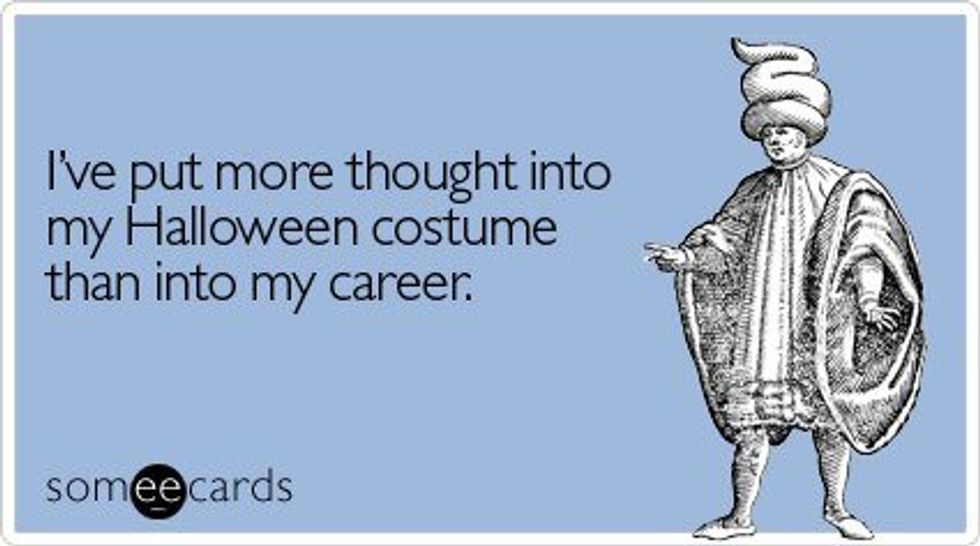
If you haven't noticed, markets and grocers and super stores and shopping outlets have already lined their storefront windows and aisles with cheap plastic skeletons and pumpkin-shaped buckets, ninja costumes, and Disney princess dresses. Yes, Halloween is upon us, and soon many Americans will spend hours talking about what they'll be dressing up as. Kids will run house to house begging for candy yelling "Trick or treat!" with their parents trailing slowly behind them.
One might think that this fall festivity originates from America, but it actually hails from Celtic tradition. The tradition known as Samhain goes back 2000 years. November 1st marked the Celtic new year. On October 31st, the Celts believed that on this particular night, the boundary between life and death shattered, and dead spirits would walk on earth again. Thus, the Celts would "light bonfires and wear costumes to ward off roaming ghosts." They would burn crops and sacrifice animals to appease Celtic deities.
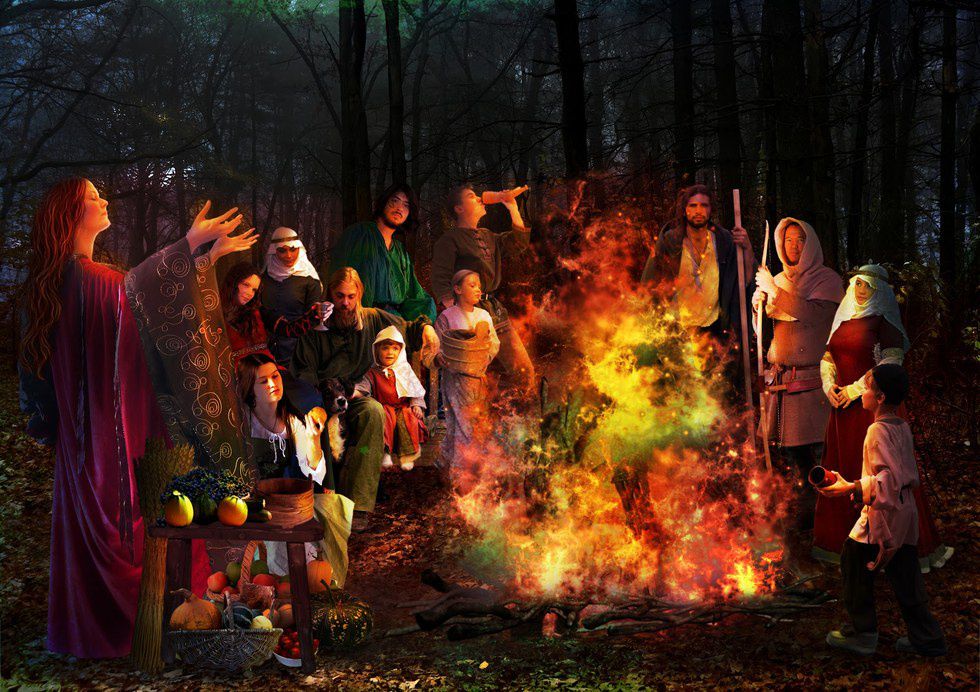
When the Romans conquered most of the Celtic lands (i.e. Ireland, Scotland, Wales, some parts of Britain), they combined Samhain with their own tradition. In Roman Catholic Tradition, November 1 is known as All Saints' Day, and November 2 All Souls' Day. They did not want to completely extinguish Samhain, and instead replaced it with their own church-sanctioned holiday. All these traditions were celebrated in similar fashions. October 31st was known as All Hallows' Eve, and would eventually become Halloween.
When the Protestants made their move to the Americas in the 18th century, Halloween slowly followed behind. This now-European tradition mixed with Native American traditions, and it became a celebration of the harvest, and the community would tell stories about the dead and mischief making. It wasn't until the late 1800s that Halloween became a community-oriented celebration. However, in the strict Protestant tradition, most of the religious and superstitious aspects were lost at the turn of the 20th century.
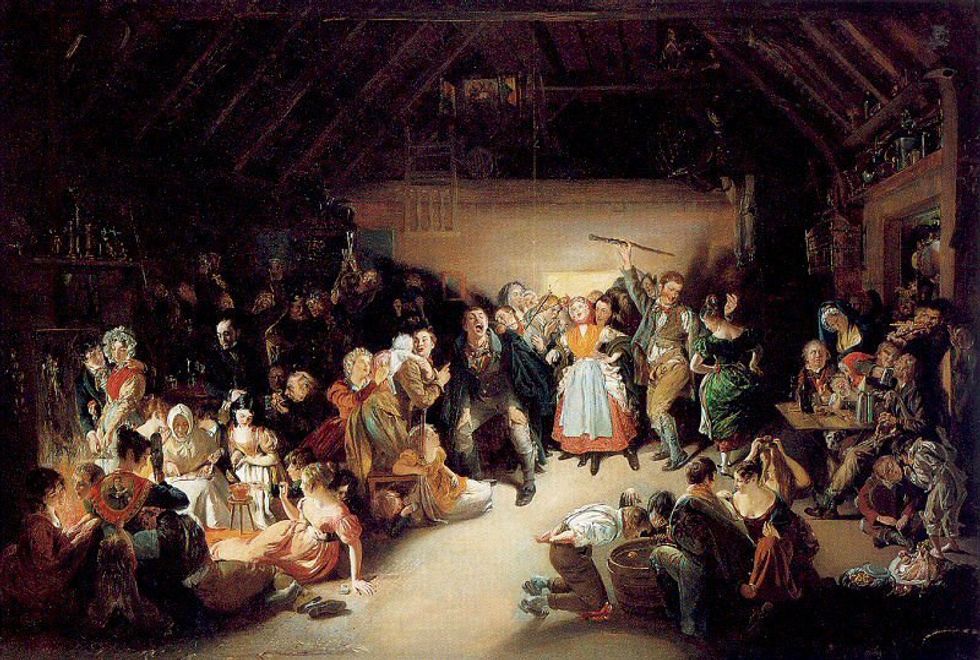
The tradition of trick-or-treat comes from the All Souls' Day parades of England during the 1800s. Many families would give out food to those who were poor. In return, they would offer "prayer's for the dead." Eventually, families would give out food and money to children who went around. In modern American times, trick-or-treating came from the families who wished not to be tricked. They gave out candy in hopes of appeasing mischievous children.
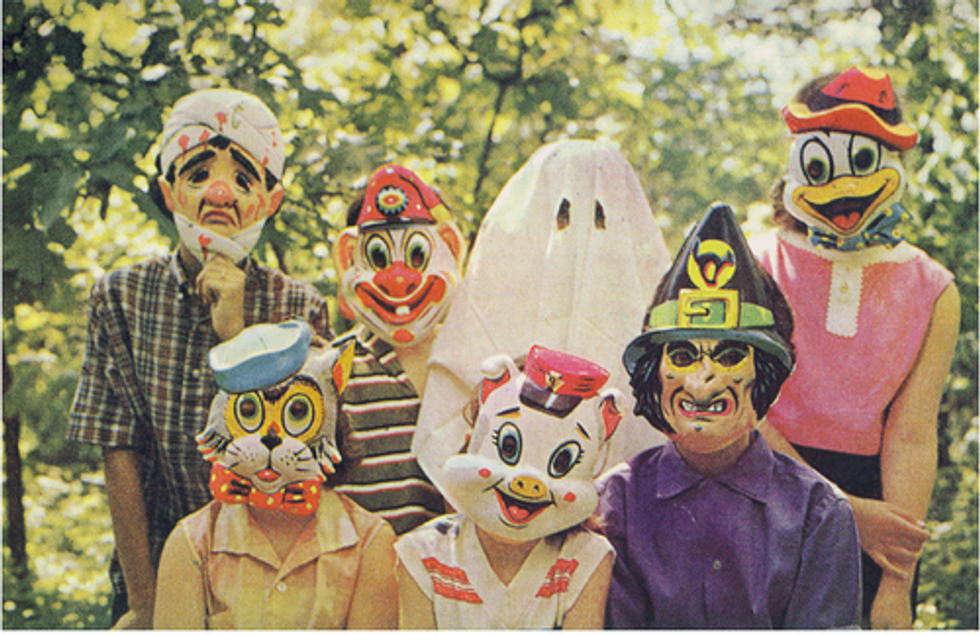
As for dressing up in costumes, this also dates back to Celtic tradition. To hide from the supposed ghosts, people would dress up in drags and masks so that they too would look like the dead spirits. Nowadays, children dress up due to the influence of mainstream culture. Children would like to dream of something they're not, like superheroes or storybook princesses. The lives of children still have many years to develop, and Halloween serves as a way for children to become adults in a way. Of course, children also dress up because the best and most creative costumes also net the largest amount of candy.
While Halloween is still a month away, it's never too early to get into the Halloween spirit. Plan out what you want to wear in advance so you aren't scrambling for a costume last minute. Of course, you can still get involved simply by passing out candy to neighborhood kids (and hungry adults.) The favored holiday pastime extends far past the candy hoarding and scary haunted houses. Who knows? Maybe the Celts were right and ghosts really do walk the earth on October 31st.