As I browse idly through fashion magazines, Instagram, and even take in the street style of fashion –savvy city goers, I can’t help but wonder what fashion will look like in the future. We’ve progressed so far since the inception of clothing (read, beyond leaves and animal hide barely covering our modesty) that it’s almost impossible to recognize garments from what they once were. But, that of course begs the question: What will they look like 10, 20, even 100 years from now. And beyond that? I suppose you would have to look to the past to find out.
Fashion has evolved a long way, from pinafores to jeans, from petticoats and breeches in favor of looser, more comfortable clothing. Gone are suffocating corsets, waistcoats, and aprons. Missing, too, from our everyday repertoire are poodle skirts, Shakespeare-esque collars, and other seemingly torture-like pieces of clothing.
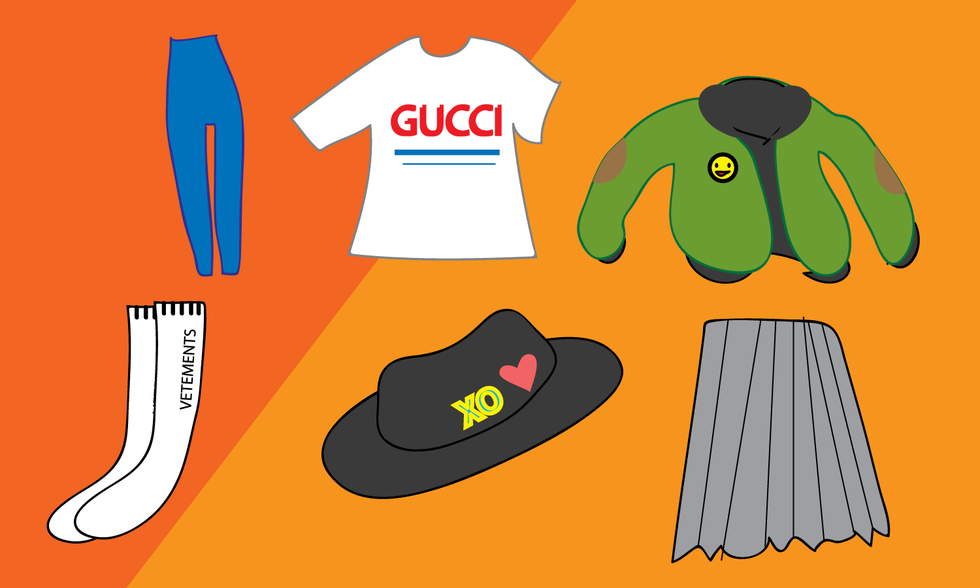
As we look into where fashion is headed, comfort remains key. One of the latest trends, athleisure, combines workaday clothing with workout clothing. Pieces are comfortable and breathable, but still retain an air of professionalism. So were heading toward that trend. What else? Well, clothing is also adopting much more gender neutral ideologies. Major fashion brands have come out with unisex clothing not targeted at any particular gender. Simple pants, t-shirts, and long sleeves dominate the market. As we head toward that horizon, the simplicity continues. We do away with garish patterns reminiscent of the early 2000s (Tie-dye, anyone?) and choose in favor of well-made fabrics with comfort and crispness. Another important trend that is evolving is the customization of clothing. Since simple, comfortable, unisex clothing is taking over, we still need a way to differentiate our styles from one another, resulting in the patches, pins, brooches, and understated jewelry that has monopolized the market in recent months. These accessories are retro but revamped for the new fashion generation. We can advertise our interests and assert our individuality with small touches that can make a big difference in our outfits.
Another important factor in clothing consumption remains the moral and ethical backlash of clothing purchasing. Consumers want to know that they aren’t hurting animals, the environment, or people when they make a purchase. This includes buying from companies who have health certifications, and other brands that research alternate production ideas.
Since clothing is gearing toward sustainability, as evidenced in a recent H&M collaboration that invited people to propose ideas to make fashion more sustainable, brands have been researching into all sorts of merchandising techniques, such as recycled fabrics, environmentally-safe dyes, and even more environmentally-friendly manufacturing processes.
We also are customizing ourselves in the process. Recent rends like blackout and black light tattoos, constellation piercings, and even 3D printed tattoos allow for more options in body customization, leading to even more unique experiences and looks. These and even unorthodox hair colors are becoming much more acceptable, and more common, even in the workplace, as millennials assert their individuality and personality.
Fashion is such an interesting aspect of the human experience, but it is also extremely unpredictable. Trends are in and out quickly, some garish, and some wildly popular, but many themes remain constant: simplicity, comfort, customizability, and sustainability. Of course, the thing that we must keep in mind is that clothing, first and foremost, is a barrier that protects us from our outside environment. So, if that environment changes, we might have to alter our garments in favor of survival, not stature. Who knows if we might shed the on-trend bombers and chokers of today in favor of aluminum foil suits when we all live on Mars? Only time will tell.