
It was the year 2011 when a baby by the name of Kaiba Gionfriddo was born prematurely. Kaiba was born with a defect that caused a weak trachea, meaning that the walls of his windpipe collapsed on a daily basis. From the time he was six weeks old, the boy's airway kept collapsing, causing his breathing and sometimes his heart to stop. He was put on a ventilator as a result, which was the conventional way to solve the problem. But still, the baby would stop breathing regularly. While doctors believed that Kaiba would not live more than a couple of weeks, researchers from the University of Michigan had other ideas.
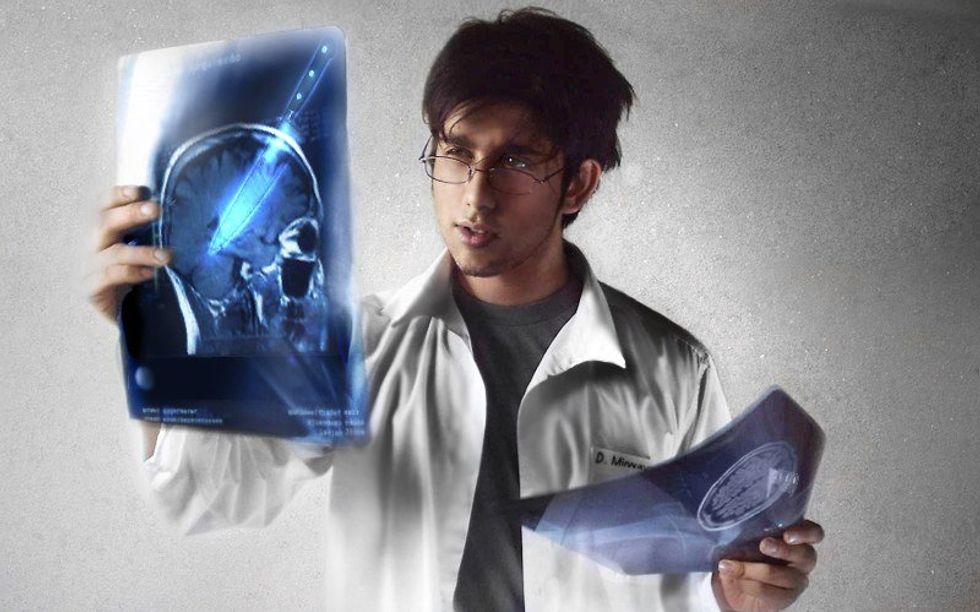
Collaborating with doctors, the researchers were able to take a CAT (computerized axial tomography) scan of Kaiba's trachea and 3D print a model of it. Using the model for measurement, the researchers were able to "print out" 100 tubes to be used as splints inside of the windpipe. On February 9, 2012, Kaiba had his operation, in which doctors stitched the splints on the inside of his defective bronchus, to keep the walls from collapsing. Suddenly, the child who everyone believed would die in a matter of weeks, was breathing normally. He is now a healthy child, growing up and breathing as any other kid his age would.
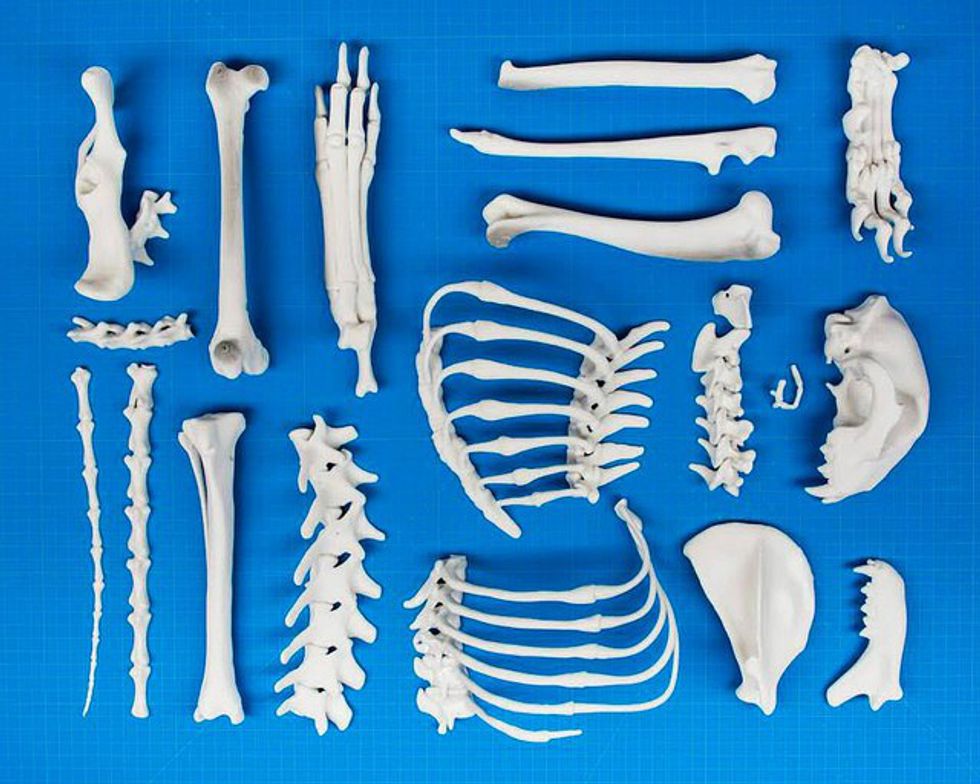
3-D printing was a completely young idea when Kiaba was born, and even then 3-D printers were not used for healthcare purposes. The printers can "print" using a wide variety of materials including plastics, nylon, resin, silver, titanium, steel and wax. The possibilities of the materials have recently opened the door for many people in the healthcare industry. 3-D printing does not carry the same moral issues that organ transplants do and the different materials allow for more options when compared to stem calls. In Kaiba's case, as in most medical cases, the plastic used was designed to degrade and gradually be absorbed into the body, giving way to healthy tissue for support. Medical students and researchers can now look forward to 3-D printing as a viable source to solve issues that were previously thought to have no solution. So, welcome to the future, where hope is available to all in the form of a printer!