When you hear the name “Project Dawn,” what comes to mind? Most likely some sort of hopeful operation, a maybe a plan for liberation, or an outline to achieve a better tomorrow. What about Barbie dolls? If this throws you off track, don’t feel bad. That was precisely what I intended.
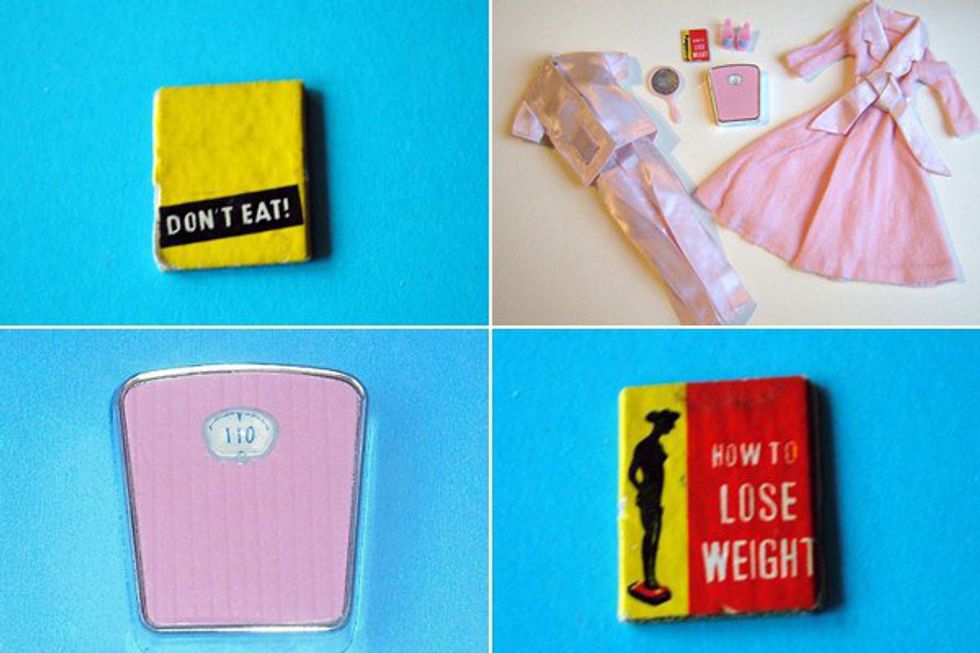
For decades, Barbie dolls have been considered one of the top iconic toys for little girls. With flowing blonde hair, the most extreme hourglass figure, and not an ounce of body fat in sight, Barbie’s perfectly unattainable image has stocked shelves around the world since 1959. With sales in 150 countries bringing in $1 billion in sales each year and 92 percent of American girls between three and 12 owning one of the dolls, Mattel has created more than just a doll -- they have built an empire. Yet in these decades of success also came numerous episodes of backlash against the brand. Beginning in 1963, the teen doll was sold with a diet book which suggested simply “don’t eat,” followed by a doll which proclaimed, “math class is tough.”
Ridicule has long since continued, with numerous organizations (mainly made up of mothers and feminists) voicing the elements of the doll which could be viewed as sexist or harmful to the young girls who play with the doll. These growing controversies in addition to growth of competition (such as Leggo’s new line specifically for young girls, or the "Frozen" dolls being produced by Hasbro) have all contributed to the recent drop in global sales of Barbie Dolls. In 2012, revenue dropped 3 percent. 2013 followed with a 6 percent drop in 2013, and 14 percent in 2014. However, executives at Mattel think they may have found a solution.
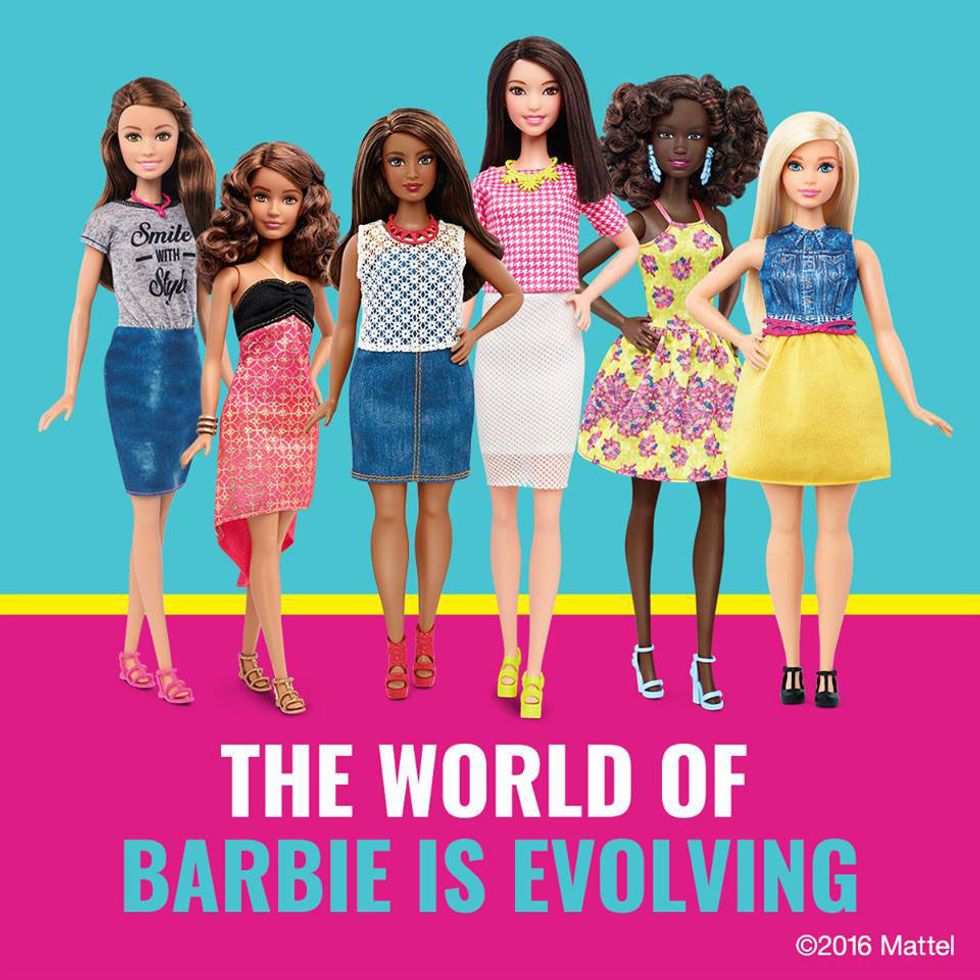
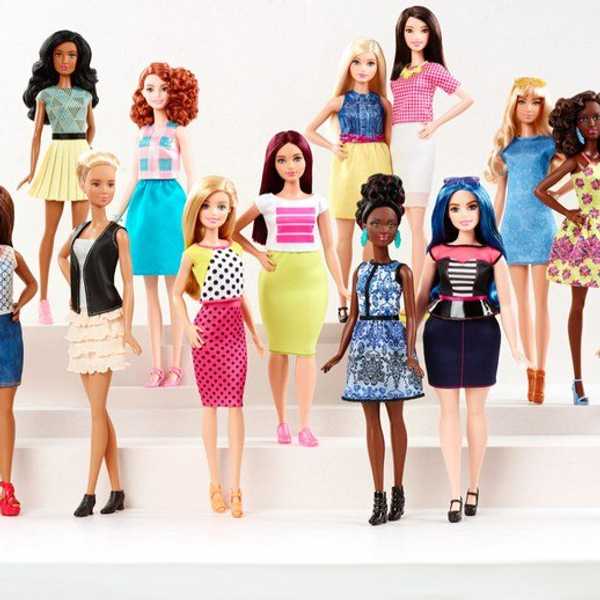
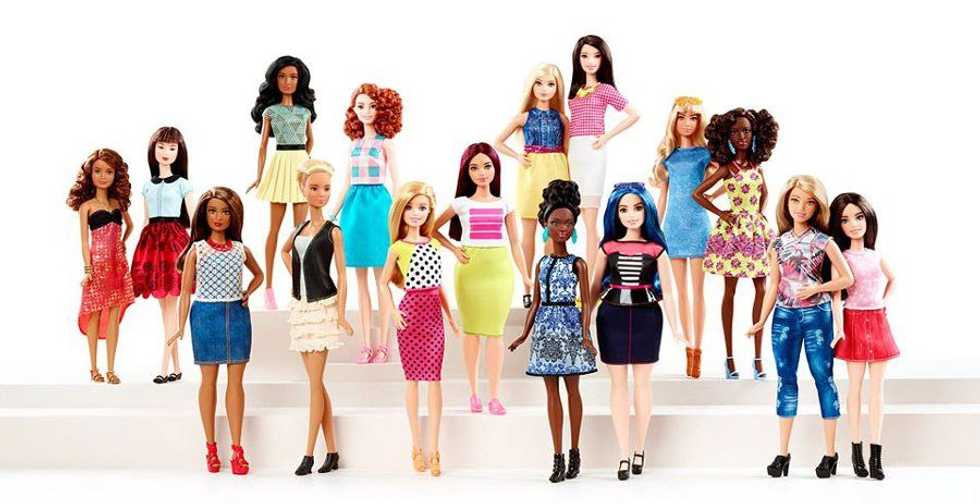
Cue Project Dawn. A wildly top secret project, Barbie designers have been working to give the iconic doll a makeover. The result? Three new body types which were released on January 28. The new dolls, curvy, tall, and petite, all come in a wide range of skin tones, haircuts, and hair textures. For the first time, little girls actually have a chance to find a Barbie doll which actually looks like them. Many may argue that the appearance of Barbie has no effect -- after all, they’re only dolls… right? In actuality, a 2006 study in the journal of Developmental Psychology discovered that girls exposed to Barbie at a younger age showed more concern about being thin when compared to those exposed to only other dolls. By providing more alternatives to the traditional “Barbie Doll Look,” Mattel is not only helping to fight early body image issues in little girls, but are also helping to diversify the definition of beauty which society installs in girls at a young age. As one of the most common doll in households including a girl aged three to 12, Barbie has long been seen as one of the first indicators of what is “beautiful."
Project Dawn is giving young children dolls of every size, shape, and color to identify with and aspire to. As the project rolls out, there are sure to be many roadblocks along the way. But while it may not be perfect, Mattel is taking a step in the right direction -- in the direction of a more accepting future for our girls.