If not every girl, I find it to be true that most girls dreamed of finding a doll of some sort that looked like them while growing up. From the Truly Me American Girl Doll line to just random Barbie dolls you bought because they had the same name as you, it was always a quest to find yourself in an immortalized toy form.
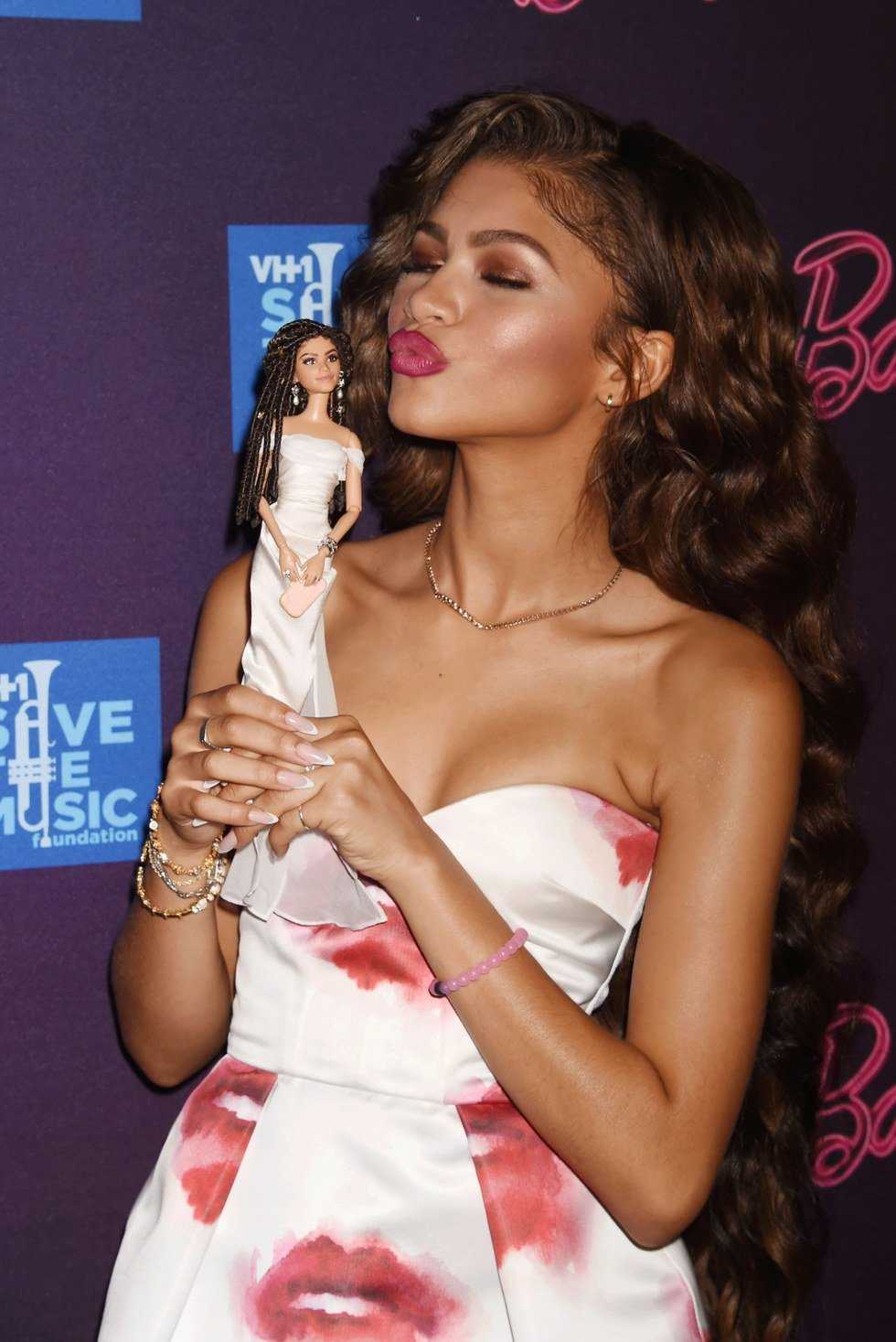
For Zendaya, on September 26, this dream became a reality when Mattel commissioned for a one-of-a-kind doll to be made in her honor. This doll was modeled after Zendaya’s much-talked-about appearance on the 2015 Oscar’s Red Carpet, and celebrated her for encouraging girls to raise their voices against discrimination.
Zendaya’s battle against discrimination began with the comments of Giuliana Rancic. She said Zendaya’s dread lock hairstyle, “[probably] smells like patchouli oil and weed."
Despite these hurtful comments, Zendaya did not let what a critic said about her hairstyle hurt her, and instead replied to the offensive remark by educating Rancic on the pride she finds in her heritage and how to her locks are a symbol of strength.
As a result, Zendaya is a role model to her young fans in the fight against discrimination, and the acceptance of all forms of beauty. With the creation of a doll modeled after her Oscar’s look, Zendaya felt that she truly helped in the “…expansion of the definition of beauty.”
What is so monumental about Zendaya’s doll is how instead of encouraging the stereotypical “Barbie” look of having blonde hair and blue eyes, it is encouraging girls to celebrate diversity and what makes them unique.
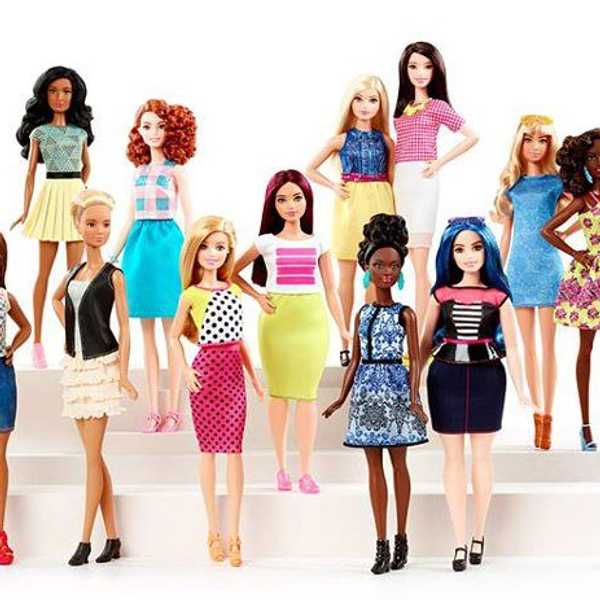
The creation of this doll follows through with Mattel’s new direction of encouraging diversity in beauty for the Barbie brand. While the Zendaya doll will not become available to the public, its creation and online popularity foreshadows the possible production of more dolls that celebrate diversity.
In the “Barbie” world dolls have always been stick thin and stuck in a specific mold of beauty. This is instead of encouraging a wide array of beauty in their dolls the brand has stuck to their traditional look.
In recent years, this has been a point of criticism for Mattel, as Barbie dolls discourage individuality and set unrealistic standards for many insecure girls.
The creation of the "Lammily" doll in 2014, a doll that was created using the average proportions of a teenage woman, proved to consumers that realistic beauty standards could be successfully promoted by toy brands.
While it is hard to imagine that a Barbie would ever only be average in beauty, the diversification of the line suggests for a redefining in what exactly it means to be a "Barbie Girl."
Perhaps in the future, Mattel will follow Lammily's footsteps and create a doll of realistic proportions, this allows for everyone to be proud of their individual beauty.
As a former avid user of Barbies in my youth, I am excited to see the transformation the brand can potentially undergo in its new mission.
However for now, I can only hope that the diversification of the dolls will help in encouraging young girls to have high self esteem and believe that they can do anything.