
There’s a certain pride to living in New York City. Whenever anyone asks where I’m from, I make sure to say “New York City” and not just “New York.” If you just say “New York,” that implies you’re probably from a suburb upstate or, even worse, Long Island.
The New York stereotype is often accurate. We are rude, impatient, gritty, and passionate about our pizza (it’s better than Chicago’s, sorry). The city is a melting pot of races, religions, socio-economic statuses, upbringings, etc. One thing seasoned New Yorkers have in common, though, is that we have all lived in the ‘post-9/11 era.’ And yes, the whole country lived in fear of terrorism, but something so catastrophic hitting so close to home was hard for outsiders to grasp.
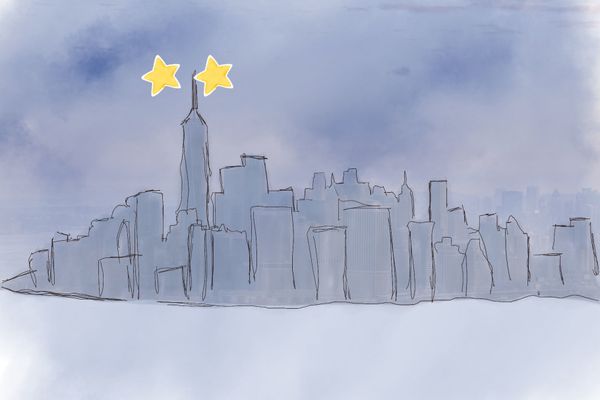
I’m not going to lie to you—I was only six when it happened, so growing up in post-9/11 New York seemed normal to me. Many millennials, including myself, were too young to realize the impact it had on our city. But real New Yorkers, not Columbia students and yuppie transplants, had their lives changed and thrown upside down due to the events of Sept 11. I’m not saying that 9/11 didn’t have a catastrophic impact on the rest of the United States; that would be a foolish and outright incorrect claim. But when the worst terrorist attack on American soil occurs just a square mile from where you live, you begin to rethink the world around you.
When I asked adults who lived in New York City how their lives changed after 9/11, I got a plethora of answers, which makes sense. The attacks didn’t have any racial, sexual, or ethnic bias. Osama Bin Laden wasn’t trying to exterminate a certain group of people. People of all races, religions, sexual orientations, ethnicities, and socio-economic statuses were affected by the same attack.
My father was born and raised in The Bronx, and has lived in every borough in New York City. He loves his New York sports, New York food, and New York culture. On the day of the attacks, he said he was more scared than he had ever been before. What if there were more planes coming?
Because the transit system closed, he walked over the Manhattan Bridge to pick my sister and I up from school. When he walked through Atlantic Avenue, an Arabic neighborhood on 9/11, he admitted to me that he was worried that the people there could sense his fear because he could sense their fear.
“We always thought that there could never be an attack on our home,” he said, “but the shock of being actually vulnerable for the first time was terrifying.”
By 2001, my mom had been living in New York City on and off for nearly 20 years. Despite growing up in Shaker Heights, Ohio, she adapted to the city very well. After the attacks, however, she said she felt, “a new sense of vulnerability.” She also said she felt a distrust and hatred for the, “actions, or inactions, of our Government,” which could have prevented the attacks. She knew, “intellectually [that] this wasn’t a random attack,” she said, but it created an onset of,“visceral fear of and hatred for religious fanaticism.”
I asked my best friend’s father about what he took away from experiencing 9/11 while living in New York. He said, “that just because someone leaves their home, it doesn't mean they’re going to return. After 9/11, I don’t take anything for granted, which is why I worry about my kid.” Although the attack was so close to home, he said that he, “accepts that fact that I (nor anybody else) can protect my child if someone is committed to violence.”
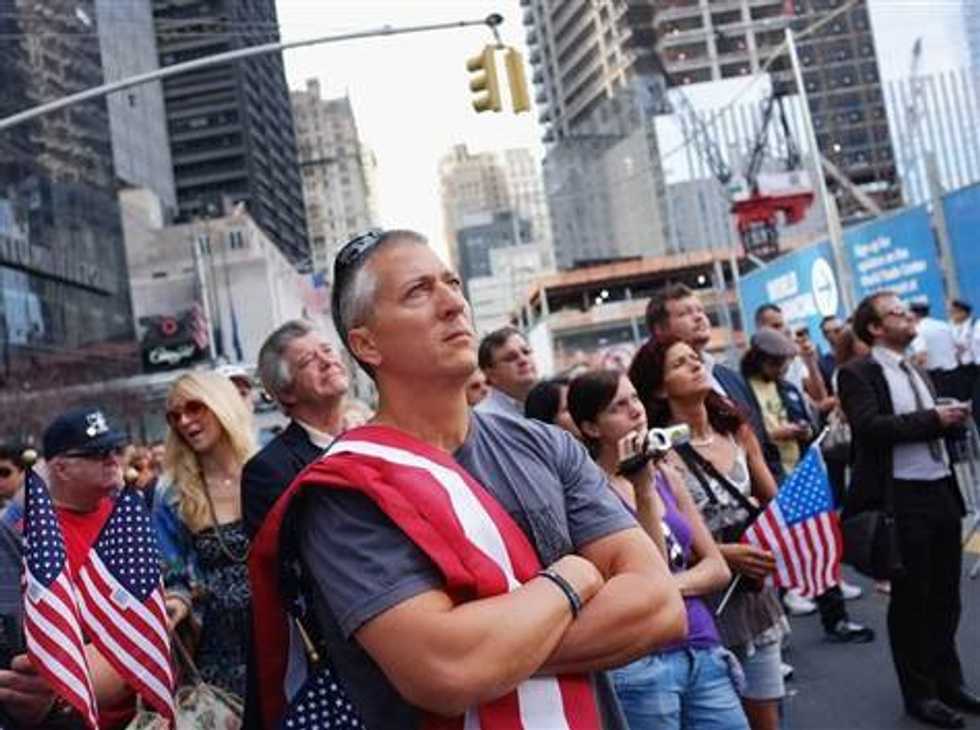
The tragedy of 9/11 had an impact on everyone in a different way, but it instilled a different sense of fear in New Yorkers. I’m still proud of my city and wouldn’t ever change a thing about it. Living in a place where such a grave disaster happened of course has it’s consequences, but also brings a sense of togetherness in the city that’s filled with ‘rude and impatient’ people.