I was much too young to remember the specifics of the attacks on September 11, 2001. The adults in my life have always used the phrase, “things changed after 9/11,” but most of my life that I can remember has been post-attack.
For anyone my age, separating our electronics through security and throwing out unfinished water bottles before entering a secure public space is practically second nature. It wasn't until I was traveling the weekend of the attacks in Paris that I noticed a change similar to the one they had always described.
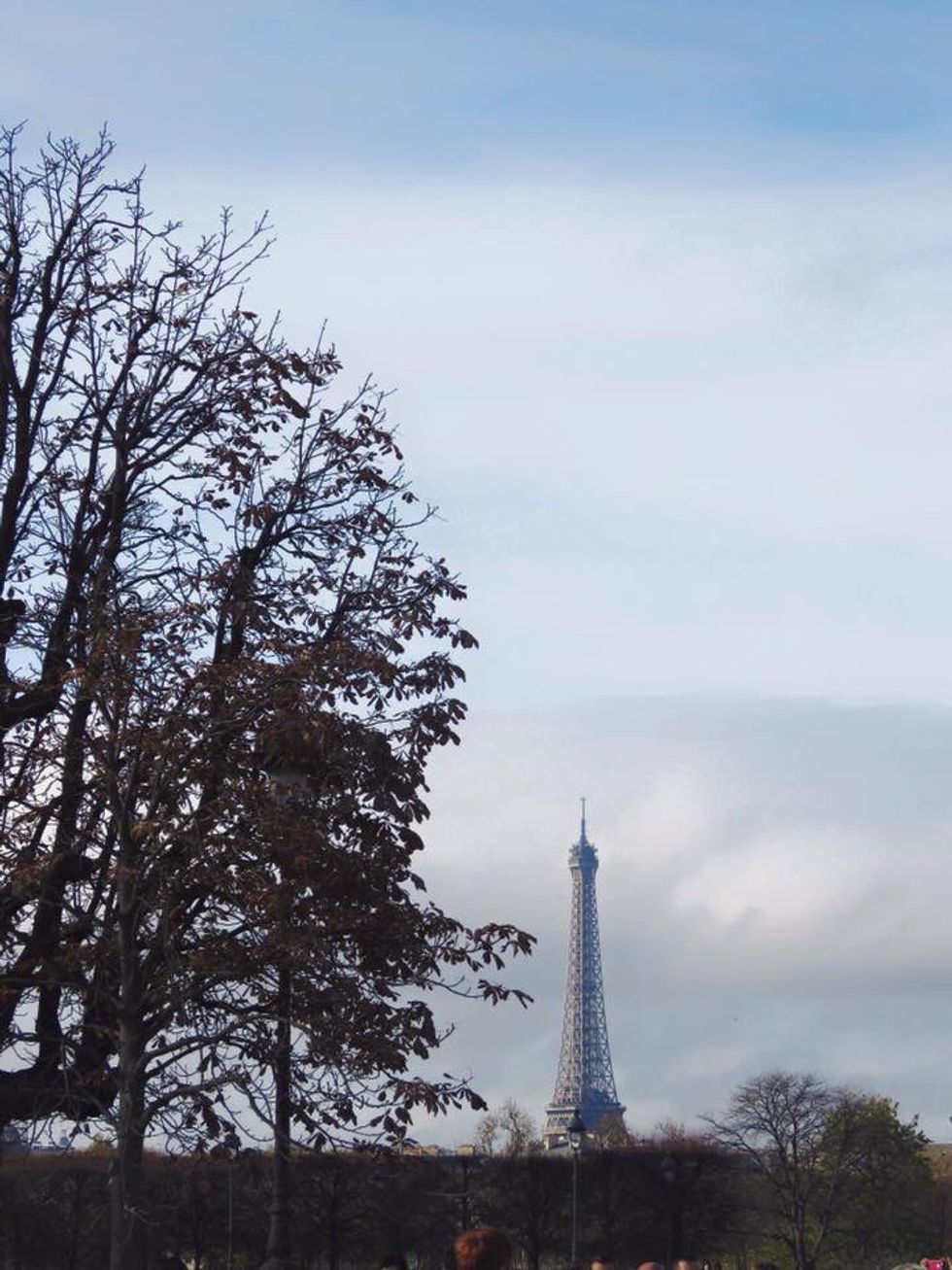
I decided to spend this semester abroad in Florence. I left home fully prepared, but not without the tiny thought itching at the back of my mind that something could go terribly wrong. This, however, was not going to stop me. I’ve spent the last three months abroad traveling to several countries and cities. On November 6, I found myself on a flight to Paris with two of my friends. We spent the weekend exploring Paris and all of its art—we saw everything humanly possible in a matter of 48 hours.
Exactly one week later, on November 13, we were in Ireland. We were having dinner in a pub and reminiscing on our memories from prior trips. Without warning, an alert came across our screens about a hostage situation in Paris. We left the pub to continue on with our night, but it was still on our minds.
Soon after we had left dinner one of our friends got a text from his girlfriend that said something along the lines of, “Where are you? They don’t know if Paris is the only place they’re attacking.” The seven of us quickly made our way back to our hostel. I spent the night watching the news in disbelief. We had friends in Paris at the time. My thoughts were interrupted each time the news reporter named a spot close to where my friends and I had stood just a week before.
The next day was a blur. We traveled through Ireland like robots, using every opportunity we had wifi to check in with our parents, our roommate in Paris, and read up on any updated news. We worried about our friends in Paris getting back to Florence safely and we worried about our own safety. There was so much paranoia in the air that we hardly noticed the torrential rain and wind.
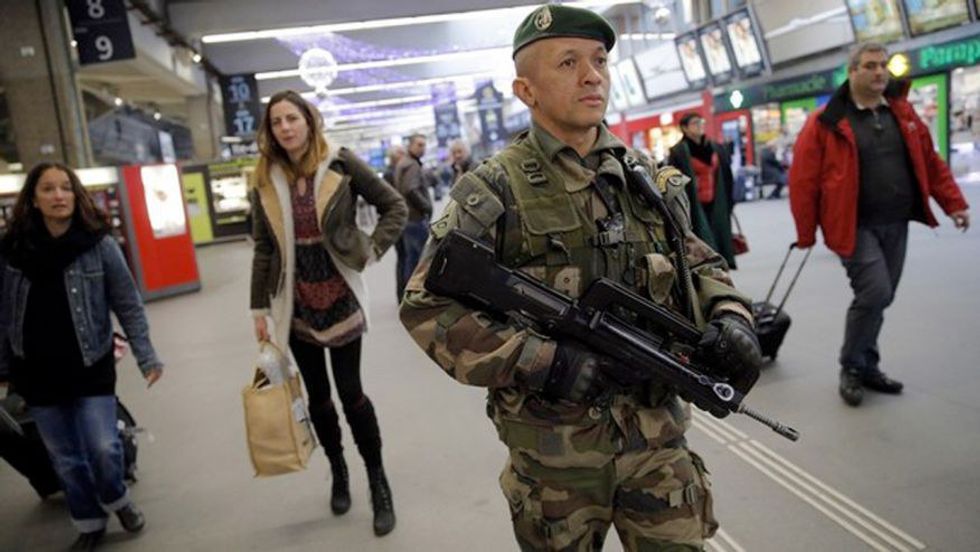
And so our journey home to Florence began. Sunday morning we made our way to the airport to fly to Rome. Dublin’s airport was filled with heavily armed security and silence. We stood on line for our bags to be checked and as we did I watched everyone around me scroll through their phones and the various forms of social media. All I could see were the words Paris and attack on everyone’s screens, and holographic French flags that filled their Facebook newsfeeds. Everyone was stressed. They walked in a way that seemed almost like they were covering their heads or expecting something awful to happen.
We boarded the plane and landed in Rome a few hours later. My friends and I were only focused on getting to Florence as quickly as possible. We stood at the luggage carousel and waited for the bags to pass by. On any regular day, when the alarm goes off in a building you tend to brush it off and think it’s probably nothing. But on Sunday, when the alarm went off in the Rome airport the crowd of people froze. The only movement came from the security guards rushing around. You could have heard a pin drop while the alarm sounded—I felt like we were sitting ducks.
Next was the train. The car I was on was silent. Everyone had one thing on their mind but no one dared speak of it. About 45 minutes into the trip, a man stood up from his seat. I, along with every other passenger, stiffened our backs and stared at him. He stood up only to stretch his legs, but we all expected he stood up for a much darker reason. No one on the train even knew him, yet none of us trusted him. Everyone was paranoid and on edge and I suddenly realized that this is how it must have felt after the attacks on September 11.
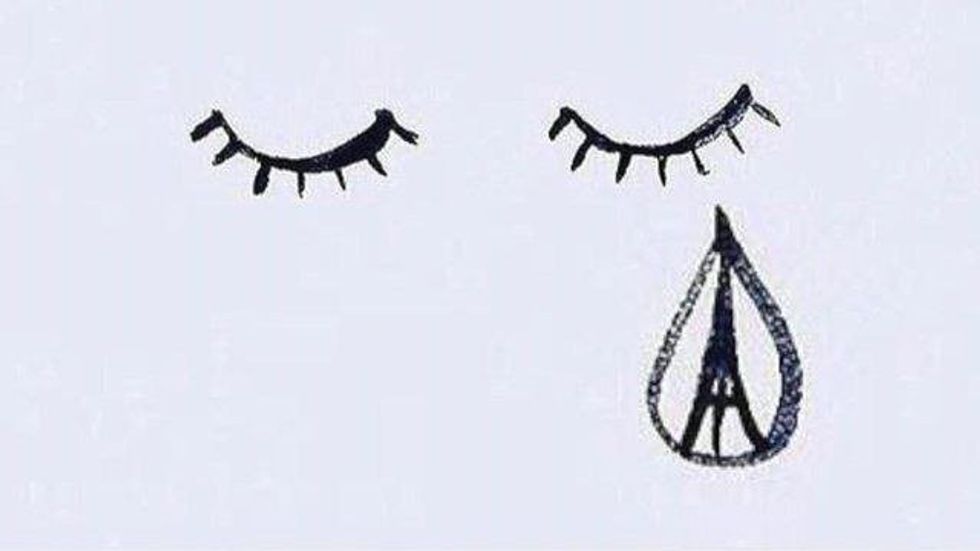
The next few days were spent listening to news headlines of bomb scares and threats. I read the articles from the New York Daily News on Pope Francis’s statement, calling these attacks, "...a piece of the piecemeal Third World War." The entire planet was asking questions like who do we save first? Where would we put those we wanted to save? How can we determine who is truly good and who is not? President Obama called the attacks on Paris an "attack on all of humanity." Security would get tighter, people would be trusted less, and attacks on innocent civilians would continue for as long as radical ideologies existed. Our world can do everything in its power to kill a terrorist, but you can’t kill an idea and that's the biggest problem of them all.
It’s a different feeling being so far from home and loved ones when an attack like this happens. It shakes you, whether you’re willing to admit it or not. You can pretend it doesn’t affect you, but when you’re standing in line at the airport and miss your connecting flight because the security line was backed up, it will. What it comes down to, however, is that you can’t live your life in fear. Each day you step outside you risk never walking back in—from both natural and unnatural sources. There is nothing wrong with being fearful, so long as it doesn’t consume your every move and control you. You can’t live in fear, but you must live in caution. We live in a different world than our grandparents grew up in. Yes, there is plenty of bad in this new world, but there is equally as much good. Live your life, do what makes you happiest, and tell the people you care about that you love them.
The world is filled with uncertainty, but there is one constant: each time good is challenged by evil, it will suffer a great blow and obtain many scars, but it will always pick itself up and move forward, as should you.