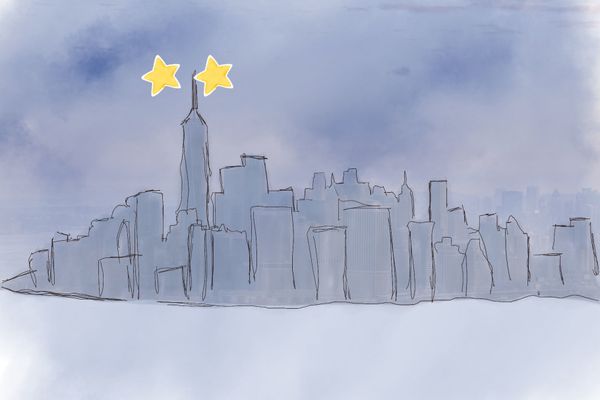
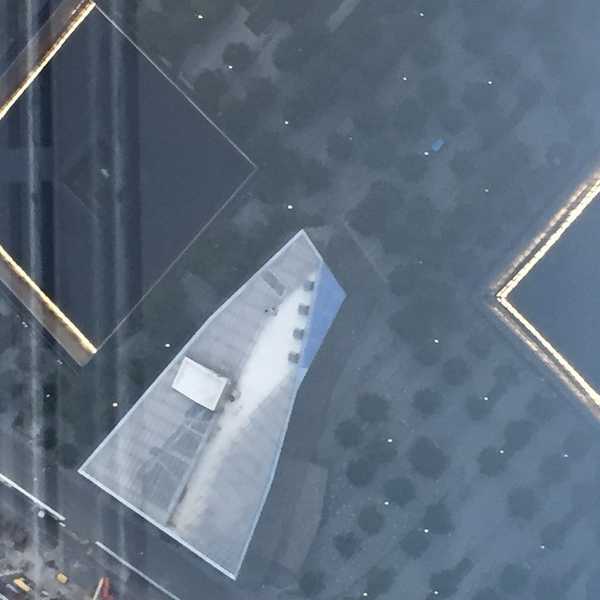
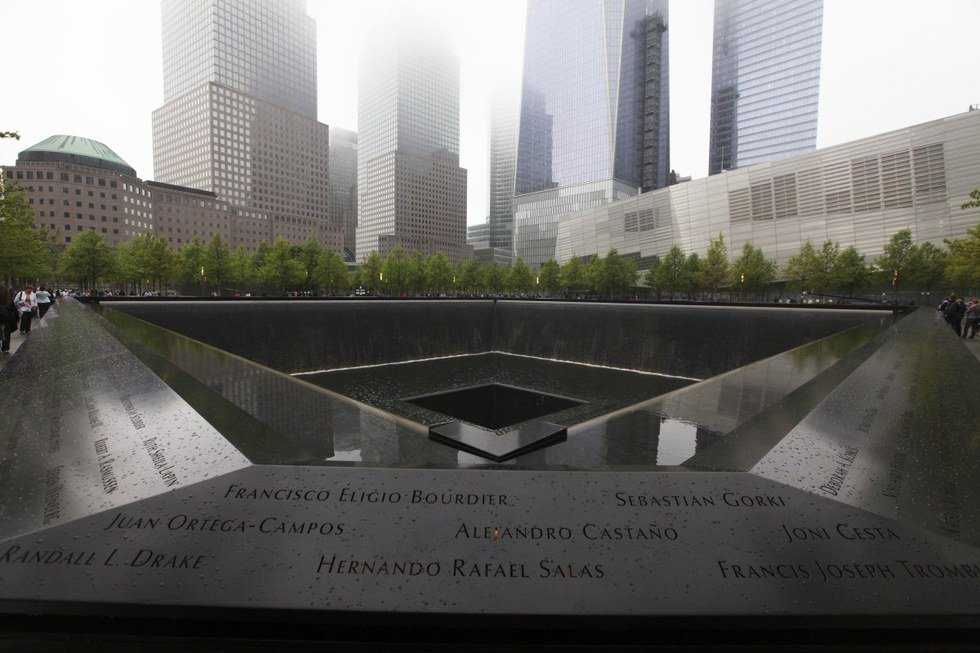
What do you think of when you hear the word “history?” Maybe you’re reminded of that dreadfully boring social studies teacher you had in elementary school, or that equally boring middle school field trip to a stuffy, old museum. Now, I promise this isn’t some tirade about the failures of the American education system. The point I’m trying to make is that when many of us think of history, we imagine some distant concept that is confided to textbooks, documentaries, and museum displays. But in reality, we’re living in history every moment of our lives, just as every human being has done since the inception of our species, and just as every human being will continue to do until our eventual extinction (cheery, right?). And while it may be difficult to remember this in everyday life, certain events remind us that what we’re experiencing in the moment will be recorded, analyzed, taught, and discussed for years to come. One such event occurred 15 years ago this past Sunday, on September 11, 2001.
I was only five-years-old the day the World Trade Center fell, so I only remember a few things. I remember the look of complete and utter shock on my teacher’s face when her aide ran into the room and told her what had happened. I remember the principal getting on the PA and dismissing the entire school early. And most of all, I remember one of my best friends crying because her father was a police officer and in New York City at the time. I don’t think any of us could understand the significance of that day, and not just because we were so young. Over the years I’ve asked older family members and friends what they remember from that day, and the most common reply is that above all else, they were shocked. Shocked that less than 20 men armed with box cutters hijacked four airplanes, killed nearly 3,000 people, and brought a nation to a standstill. Shocked at the outpour of support from countries around the world. And most notably, shocked by the brave efforts of the first responders and volunteers, many of whom gave their lives helping those in need.
This year however, it’s difficult not to draw parallels between what happened a decade and a half ago and the recent terrorist attacks throughout the world. Tragedies such as the November 2015 Paris attacks, 2016 Brussels bombing, and the 2015 Garissa University College Attack all serve as stark reminders that terrorism is not an American problem, but a worldwide one. Just as we recall where we were on 9/11, those in other countries recall where they were when tragedy struck on their own shores. And while our natural response is to care more about what happens within our own country, it’s important to remember that at the end of the day, a tragedy’s severity is not based on where it happens or who it happens to. It affects us all.