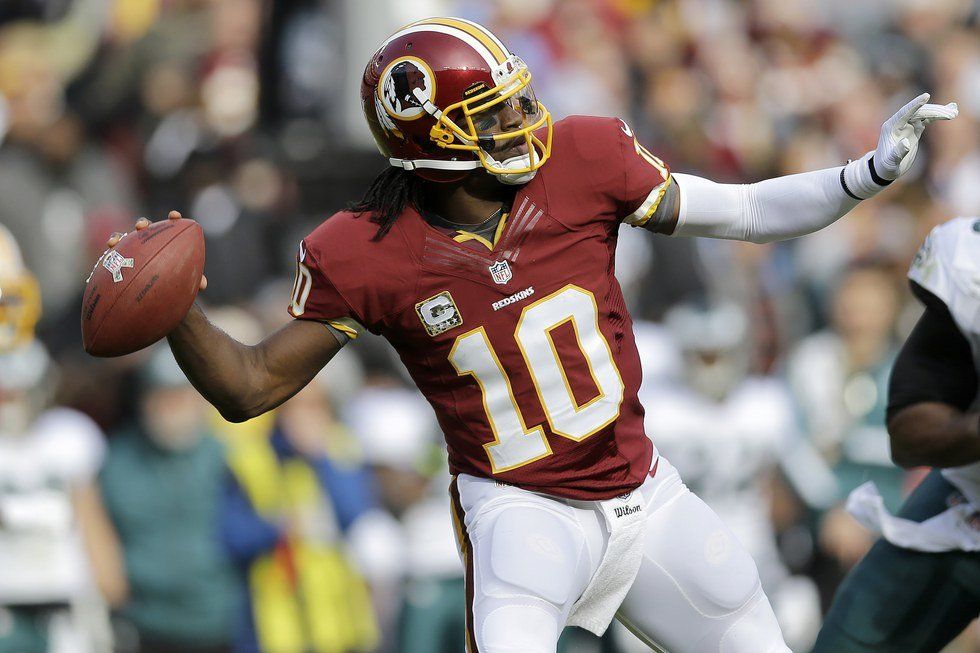
On Thursday, March 24, the Cleveland Browns signed Robert Griffin III to a two-year, $15 million contract. It ended what was an extended time period for the fifth-year quarterback to find a new home. The NFL league year opened on March 9, meaning that over the 15-day span between his signing and the start of free agency, Griffin was in negotiations and tied to teams such as the New York Jets, San Francisco 49ers, and Denver Broncos. It wasn’t until the last couple of days that RGIII was linked to Cleveland, traveling out to Ohio for a visit to the team facility. A couple of days later, it was announced that Cleveland had found its new quarterback, marking a great fit for the quizzical Griffin, but an interesting decision by Cleveland’s new management.
Cleveland offered what few other teams could to the former Washington quarterback, a guaranteed 16-game season. A team such as the Jets or Broncos is following up double-digit-win seasons (in Denver’s case: a Super Bowl), putting the onus on whatever new quarterback comes into that situation to recreate the previous season’s success. RGIII is a passer who not only recently returned from injury, but also experienced two very maligned seasons since the last time he experienced true NFL success. If he went to either of those teams, he would’ve been put under immense pressure early on if he failed to return to his rookie season form when he led the NFL in passer rating and yards per rush. The Browns offer him the comfort of low expectations. Coming off of a 3-13 season and hiring an entirely new front office and coaching staff, Cleveland is in full rebuild mode as a franchise. The team's new coach, Hue Jackson, is known around the league as a “quarterback whisperer,” someone with a reputation for building up the quarterbacks that play for him. RGIII comes to the Browns with the knowledge of being given a full season to play as the starting quarterback, and will be under the guidance of a coach with a reputation for helping quarterbacks succeed.
The real question is not why Robert Griffin chose to go to Cleveland, but why the Browns chose to sign him. Still only 26, RGIII has earned both a Rookie of the Year award and has led a franchise to the playoffs. However, both of those feats came in 2012. Since that magical season, Robert Griffin has only played in 22 games, throwing 20 touchdowns to 18 interceptions. He’s been benched multiple times by his less talented backup, Kirk Cousins, including the entire 2015 season where Cousins led Washington to the NFC East title. Added to his diminished stats is the thought that Griffin lost some of his elite athleticism after sustaining a right knee injury in the 2012 playoffs, which was one of the traits that made him so difficult to defend against.
The Browns also hold the No. 2 overall pick in the 2016 NFL draft, giving them a guaranteed shot at drafting one of the top two quarterbacks. By signing Griffin, Cleveland essentially has stated it will not be drafting a quarterback in the first round because if they did, they would be loading on the type of pressure that could cause Griffin to fold. Without the proper amount of time to possibly find his game again, Griffin could continue to regress along the same stat line of both his 2013 and 2014 seasons. If he puts up those similar numbers, added by a first-round rookie backup, it is feasible Griffin could be pulled from the starting lineup before the season would finish. Ergo, by drafting a QB with the second overall pick, Cleveland would be in a position to possibly renege on one of its promises to Griffin.
In conclusion, the Browns' signing of Robert Griffin III benefited the player more than the franchise. Griffin comes into a situation with no clear threat to his starting job and the benefit of an offensive friendly head coach. On the flip side, the Browns receive a quarterback three seasons removed from the last time he showed franchise quarterback potential, and his presence prevents them from drafting a top-shelf rookie quarterback if they truly want to give RGIII the amount of time to see if he still has it. In the end, it is fair to wonder if Cleveland would’ve been better off drafting someone to learn the position during their rebuild phase instead of opting for the somewhat known commodity.





 man running in forestPhoto by