
“Hi, my name is Carlisle and I want to be a writer.”
When you finally say this out loud, you can almost hear the soulless voices of all the failed lawyers, business men, and child psychologists saying in frighteningly zombie-like unison, “Hi Carlisle.”
This isn't an easy life. I'm sure you knew that going in. But regardless, it is yours. So, if you really must subject yourself to our special brand of torture, I suggest you follow this helpful seven step program.
Step 1: Have something to say.
If you're going to be a writer, you're going to need something worth writing about. Contrary to popular belief, this is actually the easiest step in the program. You see, as long as the subject you're writing about means something to you, then chances are it's going to mean something to someone else as well. For every story there is a reader! Even the exceptionally bad ones. You don't have to change the world or summon the second coming of Christ with the sheer awesome power of your words. All you have to do is think of something, anything, that you believe must be shared, and share it. Simple as that.
Step 2: Get inspired.
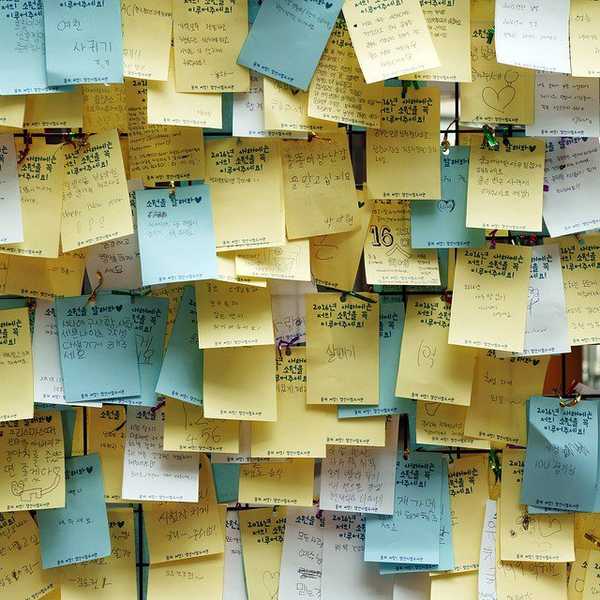
Did you think of your extra special message? Good. Now get pumped about it. I mean really pumped. Like, jumping-up-and-down-can't-stop-talking-about-it-starting-to-annoy-your-friends-and-family-pumped. This can be accomplished through a variety of strategies. Start a Pinterest board, keep a journal, make a scrap book, whatever you can do to get you excited about your story and create a clear vision in your head. During this stage, you will be brainstorming incessantly, in fact it’s more like a brain hurricane. And when the clouds have parted, you will be ready to move on to step 3.
Step 3: The honeymoon phase.
This is always everyone's favorite part. Now that you're married to your idea, it's time for your romantic honeymoon. You can go wherever you want, New York, The Bahamas, a cruise around Europe, it doesn't matter as long as you take your ideas with you. This is the part where you're writing on newspapers, scribbling on restaurant napkins, locking yourself in your room and sitting at your computer, typing away in a fury of creative expression. Take advantage of this phase while it lasts, because it is, after all, just a phase.
Step 4: Baby what happened?
Remember back in the day when you were young and in love? When the stars seemed to shine just for you and even the rain felt warm? Well this is not that time. If anything, this is where that time comes to die. I can imagine that you're feeling very disillusioned right now. Your heart is likely heavy with the crippling weight of fear and self-doubt. I'm afraid you're going to have to get used to it because it doesn't stop here. This is the part where suddenly you realize, “Wait, I didn't plan for this!” It's like when you leave the house and you know you've forgotten something, but you can't think of what it could be and by the time you remember you're already driving down the freeway miles away from home. You've just realized that the idea you married is not the idea you fell in love with. It's old and fat and just can't move around and excite like it used to. But don't give up now! Like so many high school relationships, good ideas are often dropped after the honeymoon phase at the first sight of any unpleasantness. If you can see past the tarnished surface of your once glimmering concept, you'll be able to see the true potential in your work.
Step 5: Chaining yourself to your desk.
Now that you're in it for the long haul, you can't let yourself slack off. If your friends thought you were a shut-in before, they're gonna hate you now. If you experience any kind of negative feedback from your friends regarding your increased work ethic, I would just drop them there and then. Your work is an extension of yourself, so if they think you're spending too much time on self-improvement, then they're horribly selfish people who don't deserve your attention in the first place. That may sound kind of harsh, but like we previously established, none of this is easy and if you want to transform your creative vision in to a reality, it’s going to take time and dedication. There will be times when you want to give up, scream, cry, or flip a table. There will be times when you will scream and cry and flip a table. In the end, however, it is all for the greater good.
Step 6: Taking a Break.
Now that you have finished your complete first draft, it's time to let it down easy. “Baby I love you, but I think we need some time apart.” “I just need some space okay?” “It's not goodbye forever. It's just goodbye for now.” Before you revise your work, you need to step back and have some time to reflect. Maybe catch up on some TV, take a walk in the park, or go have dinner with some friends. Do whatever you need to do to NOT think about your work. Co-dependence does not a healthy relationship make. If you want to do any successful editing you need to approach the project with some sense of objectivity and the only way to that, is to give it some time to breath.
Step 7: Freak the F*ck Out.
The sun is shining, the birds are singing, you get your morning cup of coffee and think to yourself, “You know what, I think I'm going to work on my writing today!” So you go back to your room, log on to your computer, open the file and realize, “Oh my God. This fucking sucks!” This is the stage where most people go clinically insane and start tearing their hair out, but those who can see beyond the surface of grammatical errors and cliché plot devices will emerge with the priceless treasure of a story well crafted. So once you do your share of freaking out, it’s important to go back to the beginning. Don't read it through once. Read twice, three times if you need to. Find those moments when you were sure of yourself. When you knew, “yes, this needs to be here.” Re-introduce yourself to your characters, familiarize yourself with the world you created, and re-discover what was once so dear to you. Distill the story back down to its essence, to the message you needed to share from the very beginning, and forget about the rest. Then, after a couple wash-rinse-and-repeats, you'll have finished your first work of art. Congratulations. You're a writer.