In the sea of modern dieting, there is always that "it" thing. From Jenny Craig to the Carrot Diet, people across the United States are always looking for ways to lose that extra five pounds. My question is: why do we feel the need to take such extremes to make ourselves thin? Will consuming nothing but juiced fruits and vegetables really make us healthier? Thinner, maybe, but healthier? Doubtful. Out of every crazy diet I've ever heard of, the only one to make even a hair of sense has been paleo.
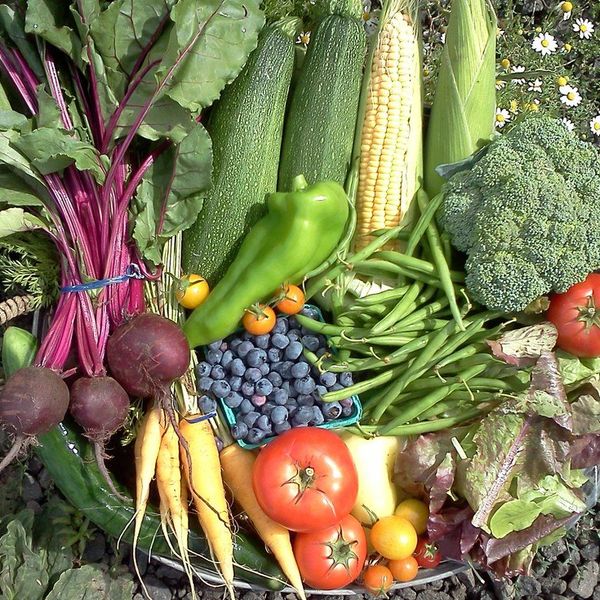
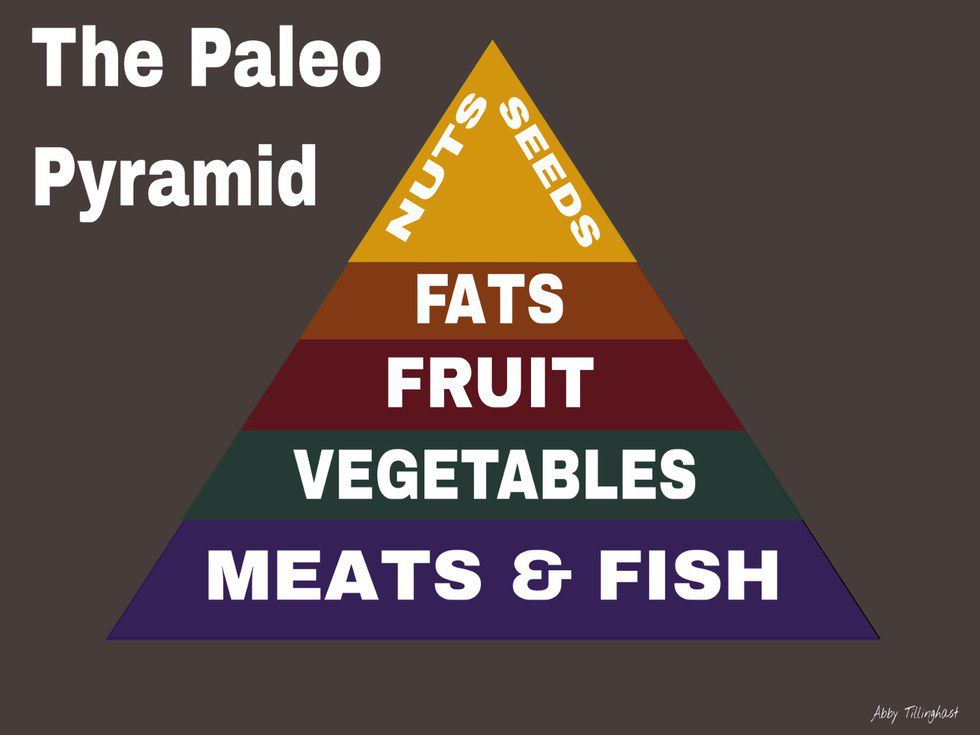
Paleo, also known as "the caveman diet," intends to follow the concept that in a modern world of preservatives, pesticides, and GMO's, we should attempt to eat the way our ancestors once did. This includes a diet comprised of lots of fruits, vegetables, meats, seeds, nuts, and ancient crops. Contrary to common belief, this does not mean eating a steak for every meal with a salad on the side. Instead, paleo eaters seek to fill their plate with healthy starchy vegetables, fruits, and vitamin filled meats.
I was first introduced to the paleo diet by my mom a little over a year ago. She has experienced numerous health benefits from this way of eating and has even started her own food blog, Payton's Paleo, to help others on the healthy eating path. While I understood the value of paleo, I didn't really set it high on my list of priorities. I was a broke college student maintaining a healthy weight and feeling good; why should I change? Yet here I am, fresh off a 30-day paleo cleanse and with full intentions of maintaining at least a primarily paleo diet. I didn't do it for me, but rather for my girlfriend, who recently discovered that she has an intolerance to gluten. As one of the primary foundations of paleo is a completely gluten-free diet, we picked this as a starting point.
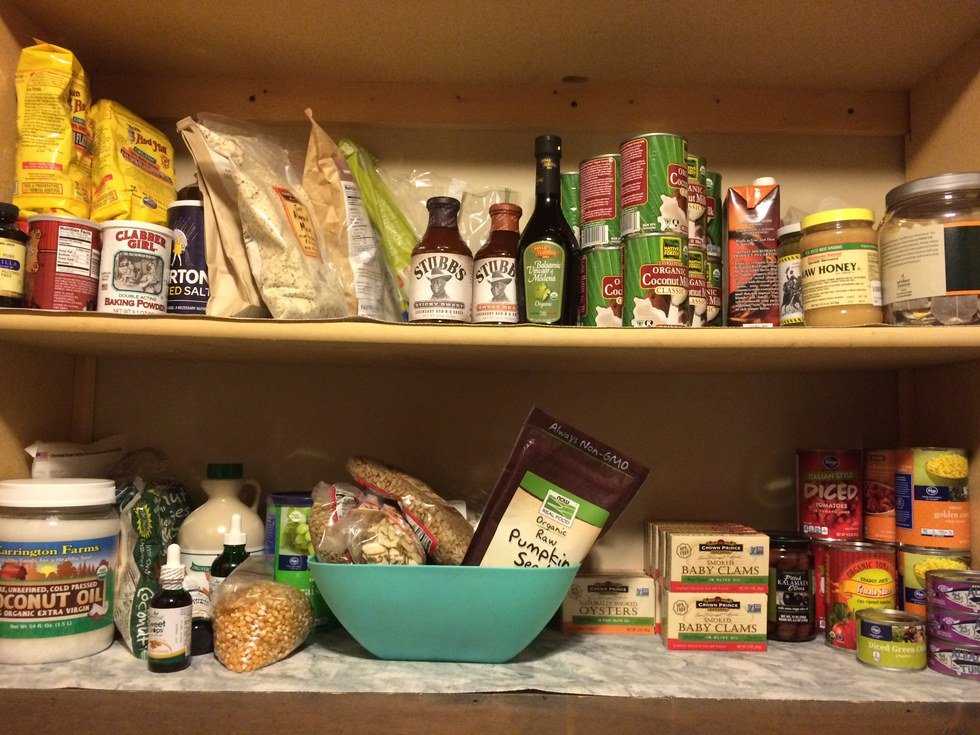
It has meant a lifestyle change in terms of eating, for sure, but has actually been easier than expected. We started by clearing out our pantry of all "unacceptable" foods, and made several donations to grateful friends who thought we might be a little crazy. The obvious ones were bread, pasta, flour, etc. The more challenging items were those with hidden forms of gluten, including many sauces, chips, ground meats, and even canned soups. Barbecue sauce and maple syrup, for instance, both contain a vague ingredient known as "Caramel coloring," which, unfortunately, contains trace amounts of gluten.
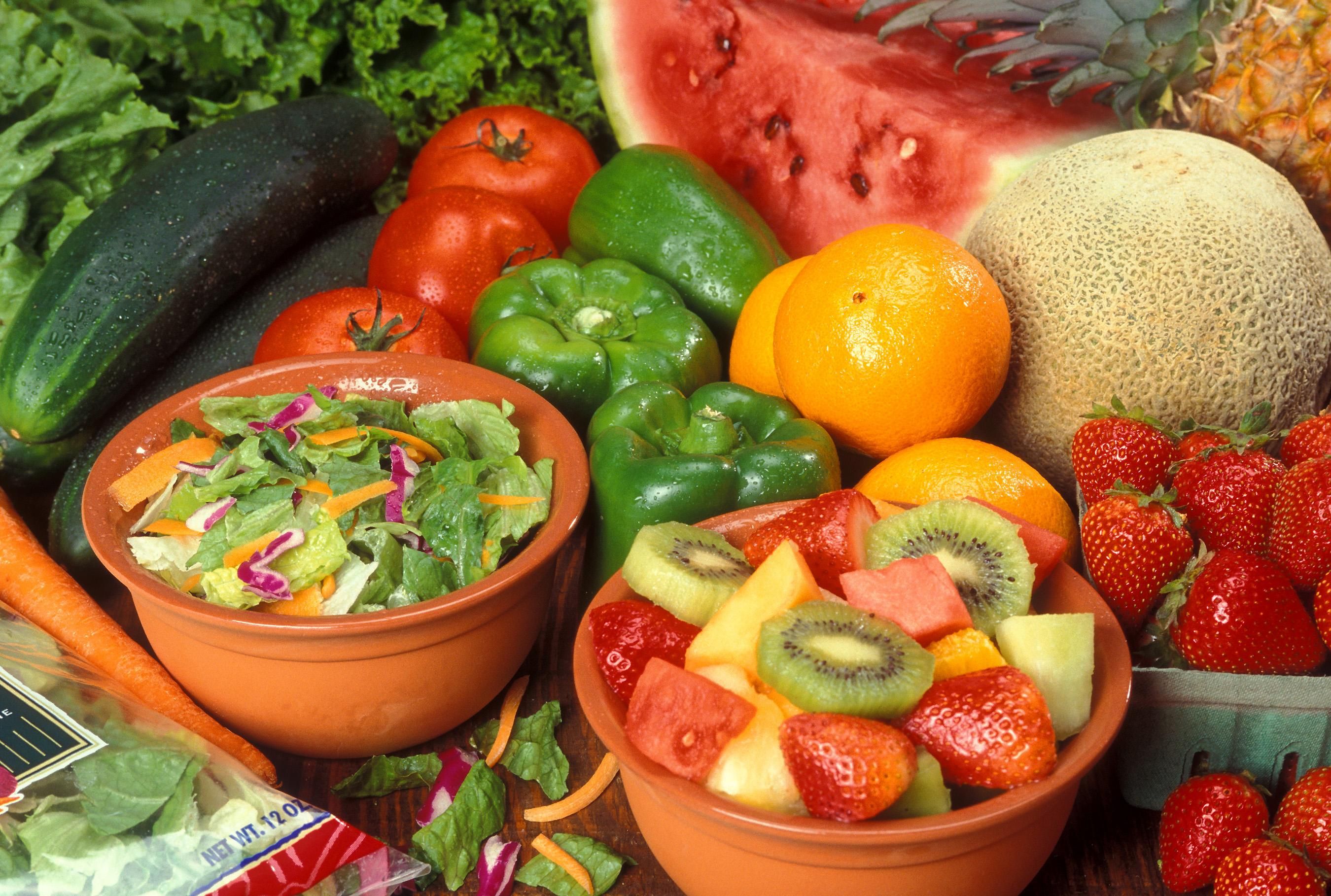
Once the house was cleared of offensive ingredients, we started from scratch with a carefully planned menu and a trip to Trader Joe's. We outlined every dinner for the month ahead of time and determined what to have on hand in terms of breakfast, lunch, and snacks to limit our expenses and buy only what we would eat. We were also assisted with a truckload of Amazon boxes full of paleo ingredients from my mom, who was very excited about our diet change.
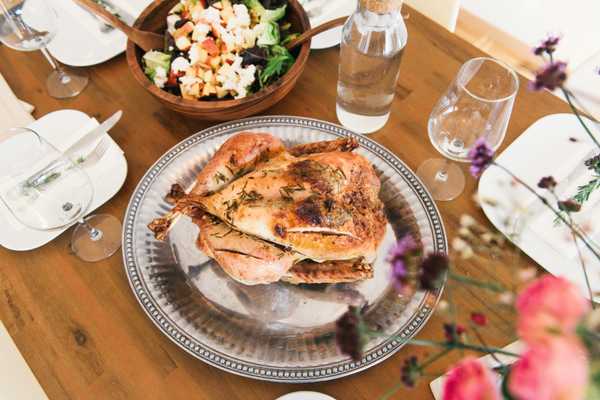
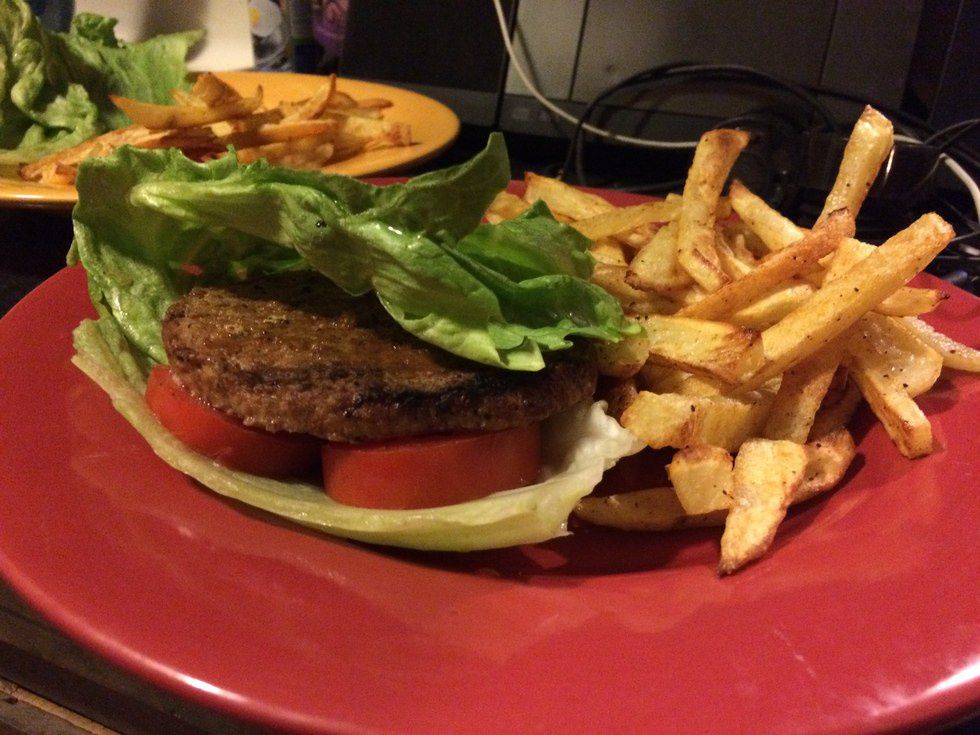
So what can a paleo dieter eat? The primary goal in our case was to eliminate all grains, refined sugars, processed foods and preservatives. Paleo eaters don't have to eat strange and foreign meals; it just requires a little more work and food preparation. We have enjoyed everything from lettuce wrapped burgers with homemade fries, to roasted drumsticks with mashed sweet potatoes. Many of our former favorites, like meatloaf, could be easily made paleo with a simple switch of flours. Baking gluten free becomes more of a challenge, but with some experimentation, brownies, cookies, muffins and even bread can be made deliciously paleo!
After a month of this new elimination diet, I have grown an enormous appreciation for paleo. Not only are there an infinite number of easy, flavorful dishes to try and enjoy, but they make you feel good too! I didn't realize how much better I could feel until I eliminated unnatural foods from my diet. My mental clarity has improved dramatically and my girlfriend feels the best she has in months.
Paleo may just seem like another diet fad, but I think the paleo eaters are on to something here. Give it a try; you may be surprised by what you find. I know I was!