
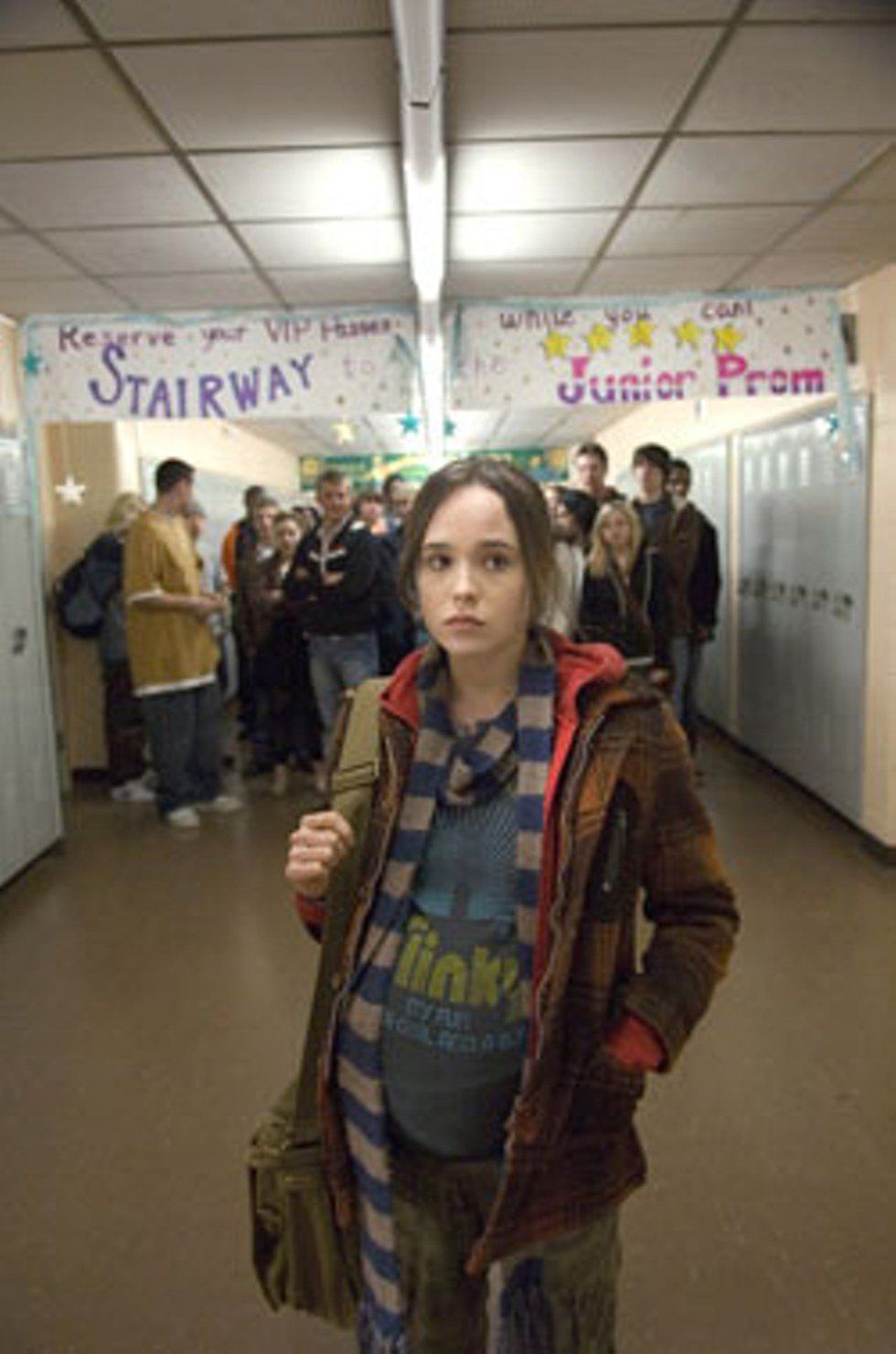
The 2007 comedy-drama movie “Juno” is one of the most iconic movies of the mid 2000s. Juno MacGuff is a polarizing character: it seems like people either love her or they hate her. People who love her describe her as spunky, independent, and noncomformist. People who hate her describe her as bitchy, selfish, and unbelievable as a character. Regardless of whether or not you’ve seen the movie, and regardless of what you think about Juno MacGuff, I’m going to explain why I love her.
Don’t get me wrong. I realize that “Juno” isn’t the most realistic of movies. But that’s not the point. The point is that as a character, Juno MacGuff teaches us all some very valuable life lessons.
I first saw the movie “Juno” during my sophomore year of high school. At the time I didn’t think much about it. It was touching and it made me laugh, but I never really thought about the movie’s message until much later—this spring.
I didn’t watch the movie again until this past spring. I was bored one weekend night and surfing the Web looking for something to watch. Out of impulse, I picked “Juno.” And this time I looked beyond the laughs to see the message the movie was trying to convey—the message that it’s okay to be different.
Movies like “Mean Girls” and “Clueless” portray teenage girls as vapid, shallow, and obsessed with fitting in with the popular crowd. Growing up, I could never relate to movies like that. As a girl who preferred more alternative clothes and music and had no desire to conform to the popular crowd, I had a hard time finding characters in pop culture that I could relate to. “Juno” was the one of the first movies I’d ever seen that featured a female protagonist who wasn’t afraid to be herself and didn’t give a crap about what people thought of her. I love Juno MacGuff as a character because she’s a role model for girls who march to the beat of their own drum and don’t conform to what society wants them to be. She shows us that it’s perfectly okay for girls to love punk music and horror movies, to wear alternative clothes, and to be spunky and independent. She breaks the stereotype that teenage girls are all blond, ditzy, shopaholics, and obsessed with status. She shows us a different type of woman, and we need to see more of these women.
Whether you’ve seen the movie or not, “Juno” is a significant film in the sense that it defies gender stereotypes and shows viewers a different kind of woman. So I want to say to Juno MacGuff: thank you. Thank you for being a role model to girls who feel like outcasts. Thank you for showing us that it’s okay to be different. You inspired me to be comfortable in my own skin, and for that I will always be grateful.