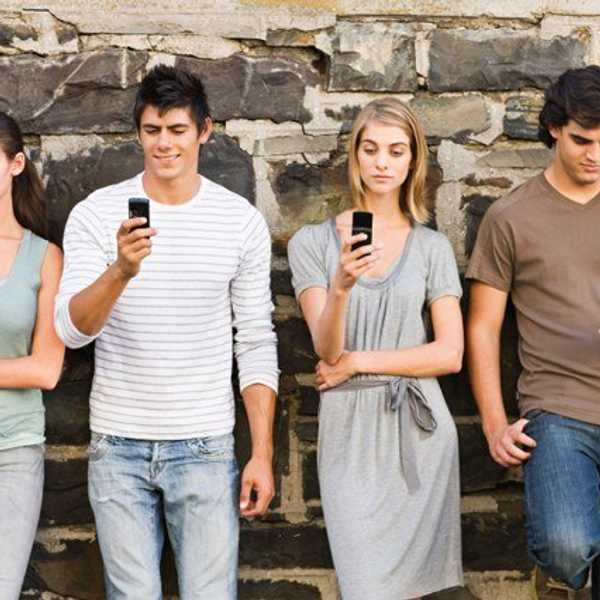

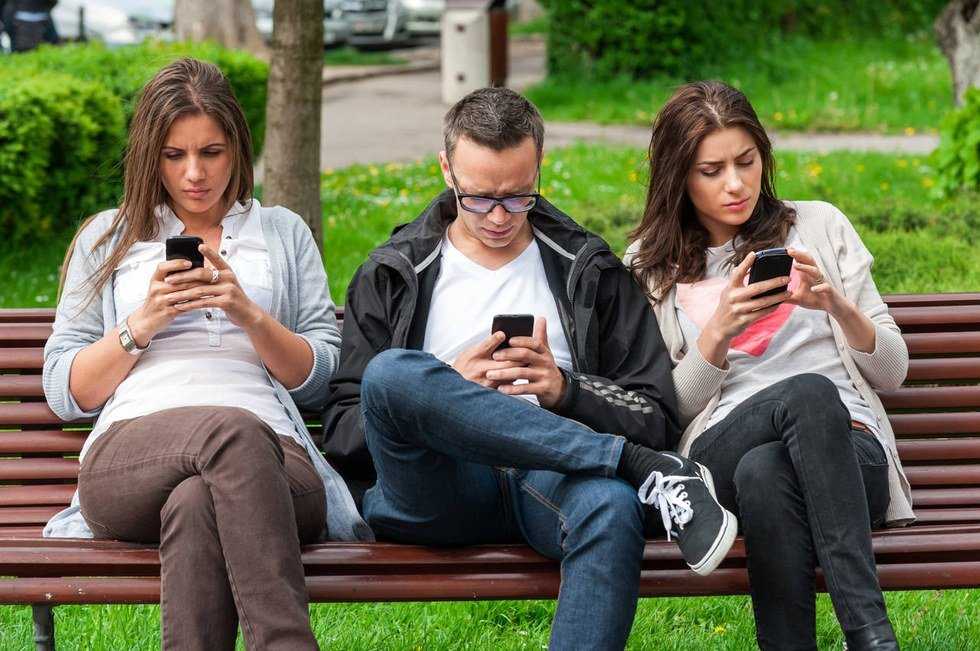
Six months ago I wrote an article regarding technology addiction in our society. Toward the end I begin to mention the fact that it does affect our relationships, so we need to be aware and intentional about the ways that it does. Here I will expand on that note.
Last Sunday, my mom and I went to breakfast and were disturbed by the amount of screens being displayed. It wasn’t a sports bar and they were not television screens. It was a local waffle restaurant in Southern California and they were iPad and phone screens. They weren’t being displayed by adults predominantly. They were being used by children in highchairs. These children were sharing screens to watch shows. They were disinterested in looking away from the screen. They were disinterested in eating the food ordered and placed in front of them because they were already too occupied to care.
We were infuriated with the lack of intentionality of the parents to spend quality time talking to, interacting with, and teaching their children. Because what they are in effect teaching their children by not teaching them, is that it is okay to value a screen more than a face, that it is okay to push aside people for the sake of entertainment, that it is okay to ignore the real world in replacement of a virtual one.
We were saddened by the all-too-likely result being that these children of the technology age will not know how to relate with others face-to-face; they will be more prone to social anxiety disorders, identity crisis, narcissism, isolation, loneliness, depression, cyberbullying, and lose the ability to be alone in silence.
This trend is being seen more and more frequently. Oxytocin is the very same chemical released in the brain when bonding with a person and connecting face-to-face as the chemical released when posting on social media. It builds generosity and trust between people or between people and social media in this case. Our affection and emotional connectedness is misplaced.

We possess “mirror neurons” which allow us to reflect appropriate emotions of another person. When children are in their formative years they develop the skill to read situations based off of facial expressions of their parents. A psychology study was conducted in which parents would get the attention of their baby and not emote anything, they would look at their child with blank faces, and the babies didn’t know how to respond.
It’s interesting to see the connection of our needing to express ourselves and receive feedback from others to the new Facebook feature in which you can now do more than just “like” posts. Now you can “love,” “haha,” “yay,” “wow,” “sad,” or “angry” a post. We want more than just the approval of our Facebook friends, we want reactions now.

The average use of social media is 7 hours and 38 minutes a day simultaneously. That is including watching TV while texting a friend and playing a game or watching YouTube videos on your iPad at the same time. This number is a cumulative count of all the “multi-tasking” on multiple devices that we do.
In fact, it is impossible to actually multi-task. What we refer to as multi-tasking is called “switch cost,” where we actually are rapidly switching our attention to and from multiple tasks, which causes us to have shallower thinking processes, a weakened concentration, decreased creativity, and increased stress.
Needless to say, the implications of these realities for the next generation are disturbing.
“Technology… is a promise that the right tools will bring a better world.” –John Dyer
This isn’t to say that it is all bad, I think that technology needs to be used as a tool and for its proper function rather than to try using it to fill every need and desire we have. The end result is that it shouldn’t control you.
“We are not only what we read, we are how we read.” –Maryanne Wolf
Power-browsing through articles, blogs, posts, books, etc. is creating a habit within us to skim across the surface but never go any deeper. We are more concerned with the efficiency and immediacy of information that we are losing the ability to appreciate different art forms including the art of getting to know people. We are not fully present and mindful in each moment. We are distracted and disengaged with one another.
“Technologies at play in the Digital Reformation invite us back to ways of relating, sharing, and creating meaning together that were all but lost as the sweep of modern progress moved into the Broadcast Age.” –Elizabeth Drescher
It is a fantastic method to stay in touch with friends and family who live far away or maybe you just don’t get to see often enough; it is an effective way to communicate with a significant other who may be away on a trip; it is an easy way to keep them updated on big events or meaningful thoughts you have. It is not a place that you should spend hours a day staring at. The ease of technology has been both helpful and hurtful to our relationships.
*some content modified from lectures of Dr. Caroline Kim, Dr. Timothy Muehlhoff, and Dr. Chris Grace