When the news broke worldwide of the attack on Paris late November 13, the world watched with bated breath, awaiting any news about who had done such an unthinkable thing to the City of Lights. It seemed almost unsurprising when the Islamic militant group ISIS claimed responsibility. The attack had been constructed by a member that had entered France, and once the information broke, every eye turned to the Syrian refugee crisis.
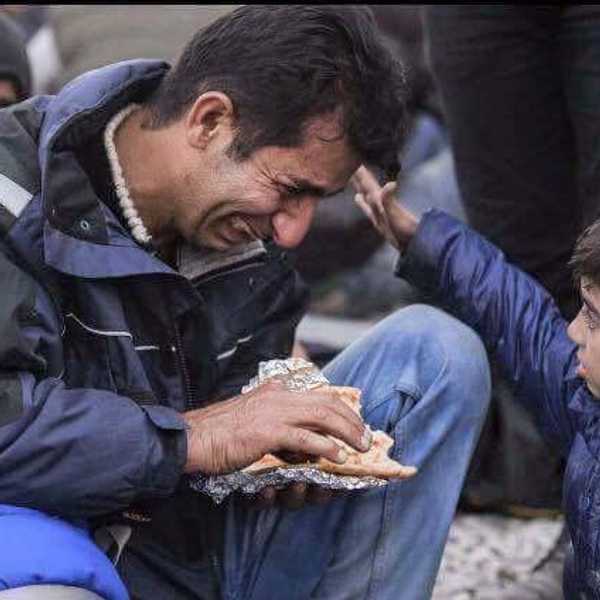
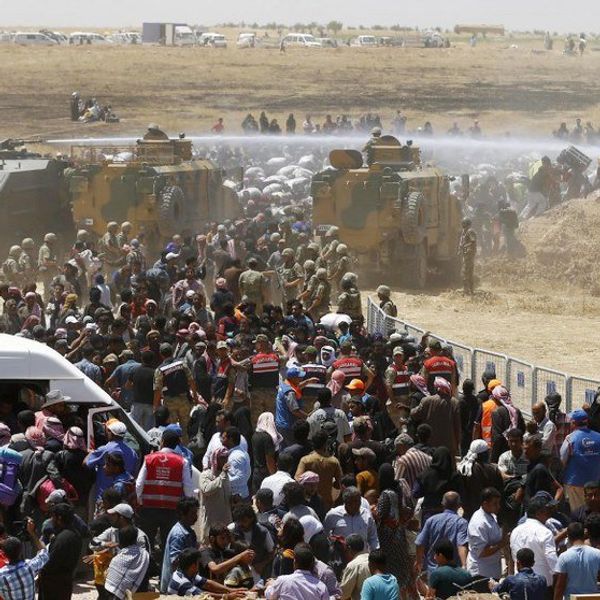
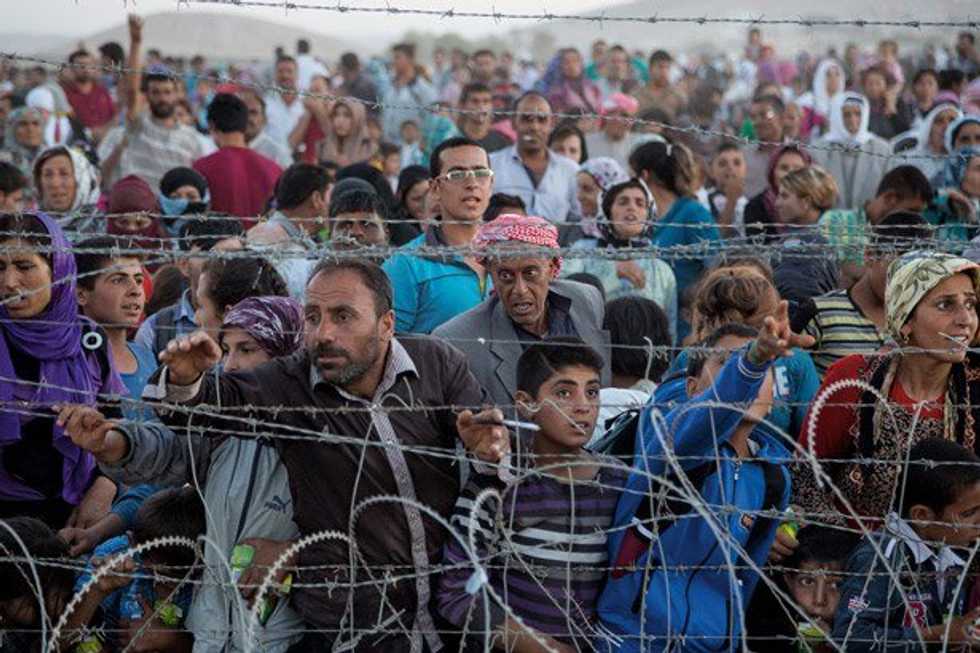
For months, more and more refugees have fled from their homeland of Syria. Due to the country's tie to ISIS, European countries have been hesitant to open their doors to the refugees, and thousands have died trying to escape.
The United States, a country built by immigrants, has slowly allowed Syrian refugees to trickle in through the recent years. Now more than ever, though, the people of Syria are trying to escape their war-torn land in search of a better life for themselves and their families. However, because of the recent attack on Paris, as well as the attack on Beirut, United States governors across the country have decided to try and close their doors on the people that need it most. Now the Syrian people being pushed out of their homes by violence are meeting a wall around American soil.
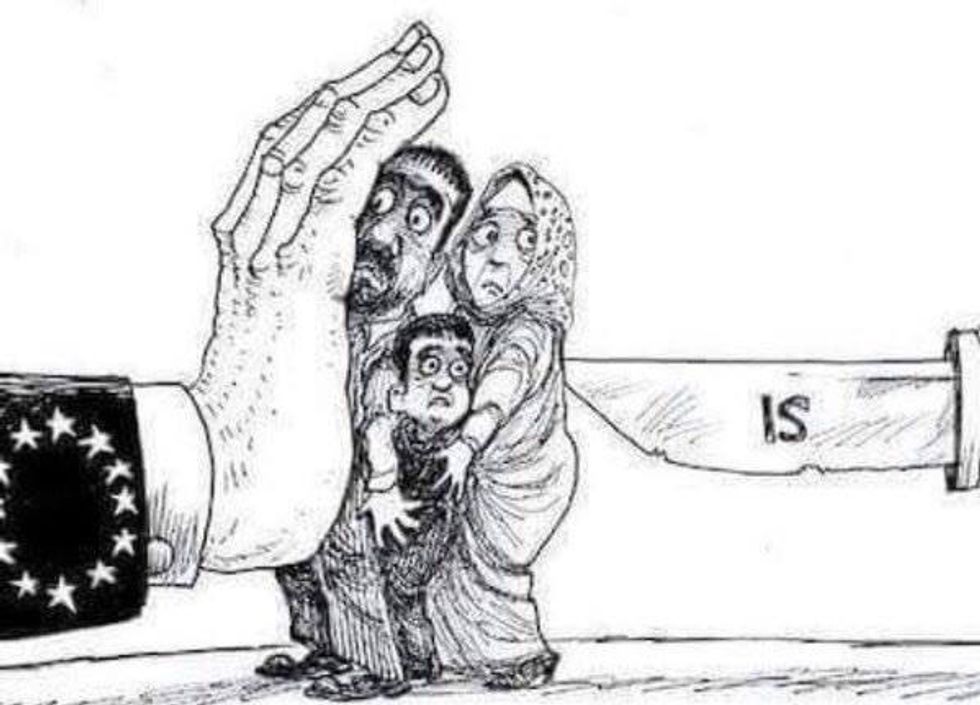
Governors of over 20 states have said that they will not allow Syrian refugees to settle in their states in an attempt to protect their people from any possible threats posed by any members of ISIS entering the country as refugees. However, the power to refuse the refugees from entering specific states does not lie in the hands of the governors, but rather in the hands of the federal government.
Some states, though, are willing to accept refugees, as long as the screening process is increased. As it currently stands, the screening process for Syrians seeking refuge in the United States takes between 18-24 months. More information on the lengthy process for Syrian refugees coming to the United States can be found here.
GOP presidential candidate Donald Trump has taken the fear of refugees one step farther, though, by simply bringing their religion into the mixture. In a recent interview, Trump declared that if elected president, he would "strongly consider" closing down Muslim mosques in response to the attacks on France. Statements like this are the embodiment of a growing sense of Islamophobia that is sweeping the nation.
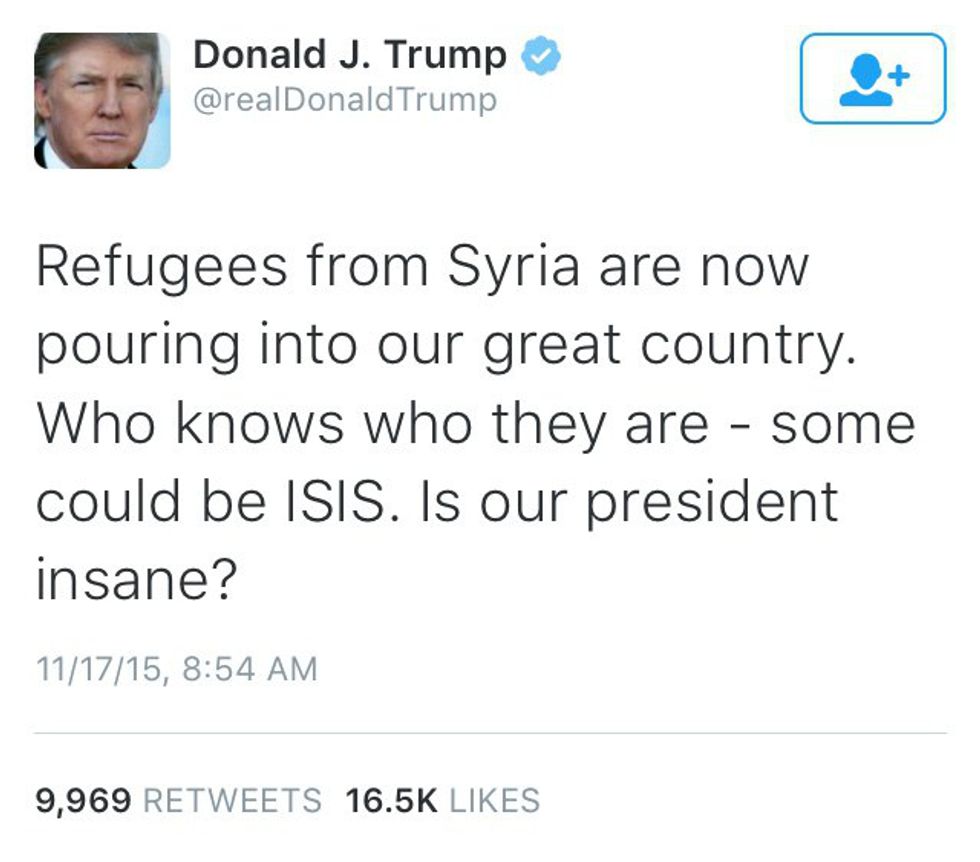
With the White House pledging to take as many as 10,000 Syrian refugees between now and 2017, we can only hope that, for the sake of humanity, the United States can put aside their Islamophobia and stop families from being torn apart by the Syrian Civil War.