As a registered Republican student attending the University of Connecticut, a known liberal arts school, I’m sure you would expect the stereotypical white, conservative who has an issue with any liberalist agenda. However, although I am of Italian descent, I am raised to have the respect for all people and their opinions even if they may conflict with mine. If you were to have a conversation with anyone who knows me personally, you would understand I am not someone who takes offense to anything easily because I feel life is too short to take anything too seriously.
Nevertheless, about a week ago, I walked into the Stamford campus of UCONN heading to my first class when I noticed these new installations that popped up seemingly overnight. As anyone else running a bit late, I briefly looked at the installation by Ann Lewis called “Race and Revolution” apparently portraying police brutality. This piece consisted of more than 1,000 beige toe tags representing Americans killed by police just this year, each listed with their name, age, sex and cause of death; some left intentionally blank for more deaths. No harm there right? Of course not; but some visitors who have seen this installation have perceived it as “anti-police”, including myself. Terrence Cheng, Director at the UCONN Stamford Campus, has received a number of complaints about this controversial piece, but you may be wondering why complaints have been issued on such a harmless piece of art.
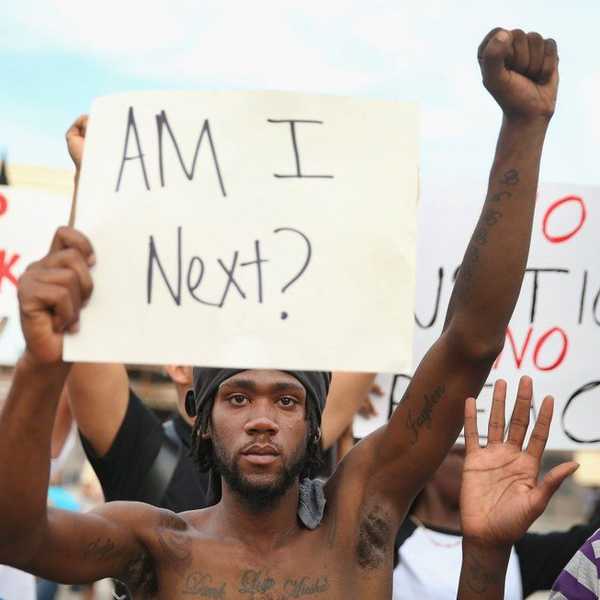
Well I’ll put it to you in my perspective. Now, I completely understand the race issues going on in today's society with police brutality, as it is a very real, reoccurring issue. The problem I have is not with the tags of victims of proven police brutality, but with the tags listing certain reasons these people were shot and killed by police and to name a few: “shot while in standoff with police”; “shot during a shootout with police”; “shot while armed”; or “shot while armed with a gun”. Now, the last time I checked, police brutality was defined as excessive force used unnecessarily when trying to defuse a dispute. Were the killings of these people unnecessary and unjustly? some but not all. Were the killings of these people justified? Most likely when dealing with critical situations, but the only person who is legally aloud to make that decision to use deadly force is the police officer protecting our lives.
My problem with this installment is that I feel the person who created this work of “art” didn't do enough of her own research to understand that those people shot and killed by police officers, whether Caucasian, African-American or Hispanic might I add, put the lives of the officers and of those in our community in danger. These people were shot and killed because they were a threat to themselves and the lives of others including the officers. These officers served and protected as they promise to do so when they first put that badge on their chest and that gun on their waist. Ms. Lewis claims that this piece is not “anti-police”, but when looked upon by a person who has family and friends in law enforcement, such as myself, we perceive this work as nothing but anti-police. Lewis even states that in many cases, “the people killed by police -- who are 96% male -- are actually armed”, telling us that these people are not always killed due to police brutality but because these officers are doing their job by providing protection. This installation is portraying police officers, good police officers at that, who are actually doing their jobs, as “police brutality”.
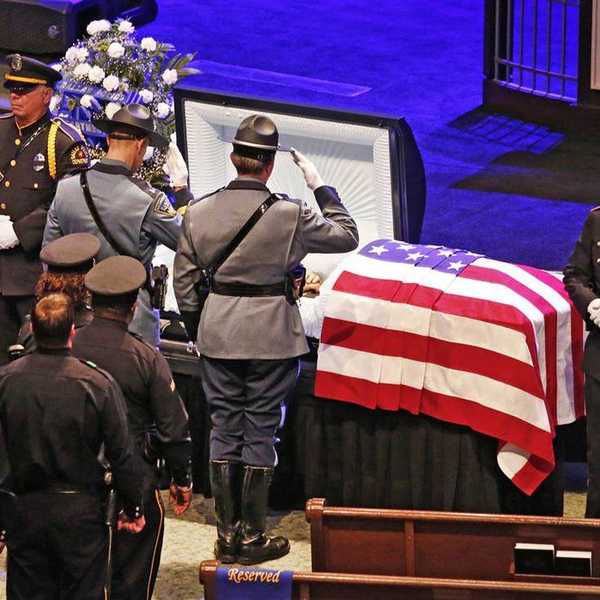
This installation is absolutely offensive to those who support law enforcement and all first responders, to those who have cops in their family and know the struggle of saying “goodbye” in the morning to mothers and fathers, husbands and wives, sisters and brothers of any race or age and not knowing whether you’ll see them again that night or receive a phone call informing the family of your officers death.
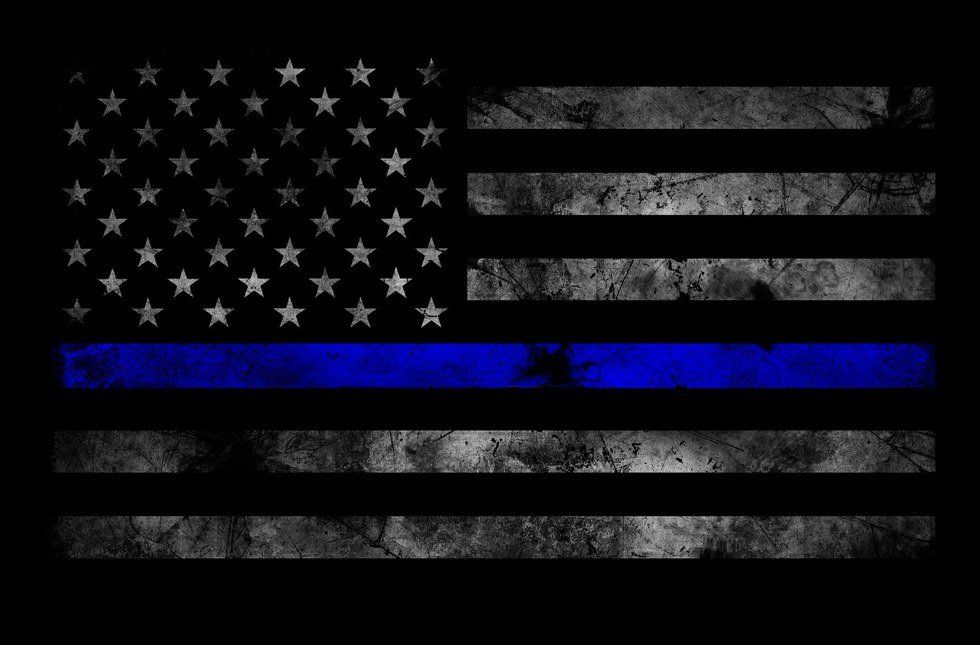
It is said that this piece causes people to engage with the facts, but my question is what facts? That fact that in 96% of cases of men armed and killed by police, are actually officers doing the job they signed up for? Or the facts that these toe tags are poor examples to what “Race and Revolution” should actually portray. This installment does not represent race and revolution or police brutality, but in fact shows police officers doing their jobs, jobs that many people do not have the heart or the stomach for. These first responders put their lives on the line day in and day out for people who have nothing but disrespect for them. They do a job that causes families, parents and children nothing but anxiety, depression and relentless worry while these officers are out trying to protect your family and your community, to protect people who don't think twice whether an officer lives of dies, for people who forget that these officers are human beings just like you and me. That officer is my father, that officer puts your family before his own. Not only is this installment offensive, it is rude and the utmost disrespectful towards the men and women who are ridiculed for making split second life decisions on whether to pull a trigger or not; a situation I’m sure the artist herself or many of the people ostracizing police officers have never been in, nor would ever want to be in. This response is for the good officers who risk their lives to protect their community. As there is corruption in any career, government, or business, I write this response in support of the true blue lives that serve and protect the justice of this country. Not all white men shoot up schools, not all Muslims are terrorists, and not all African Americans are criminals… so why are all cops bad? I do not deny the fact that there is police brutality, but you should not deny the fact that the majority of police officers are good men and women putting your life before their own.