Unlike most degrees Science degrees are far from a cakewalk. You have to put in a lot of effort and, depending on your major, you'll likely have to obtain a graduate degree to even find a really good job. Although I successfully achieved a Bachelor of Science degree in Medical Technology, with a minor in Biology while in the National Guard, having a child, and running for an elected position, and working full time, my journey could've been a lot easier had I been given this advice beforehand.
1. Take a Variety of Classes
Now, I don't mean take some art classes and maybe a bagpipe class or two (because that was a legitimate minor at the University I attended). What I mean is, if you're able to, take a mix of your "easy" general studies while simultaneously taking your degree required classes. Talk to your advisor and have them show you a class catalog; sit down and discuss how dual majors and minor programs can fit in with your current degree as well. You may find an interesting minor or something that may be helpful in your future career path.
I personally took all of my general studies first because they were easy to fit into my schedule and even easier to maintain a 4.0 GPA. So when it came time to take my upper level classes I had to take a few semesters with nothing but Chemistry, Biology, and Math classes with labs.
2. Get Your Books ASAP!
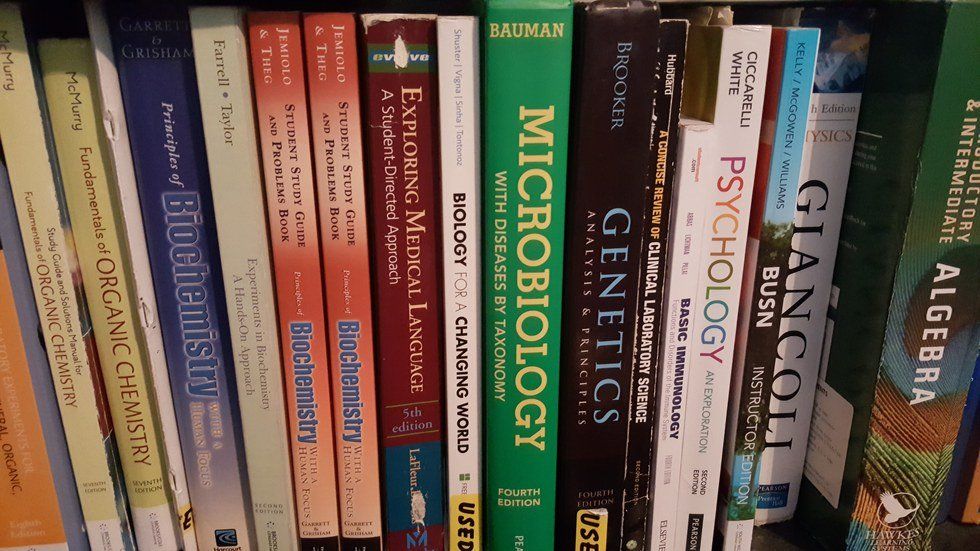
Whether you purchase, rent, or find some illegal download for your books get them as soon as you have your list for books. (Hopefully you will have your syllabus at the same time.) This way you can get to work immediately. Skim the pages, make an outline, google things you're unfamiliar with, and write down any questions you have pertaining to the material. This will also make you look good in class. Good professors love interested students and sometimes your participation can be the difference between a B+ and an A if you're floating around the cusp. I mainly recommend this for your important classes, but if you have the time and you're in an English class or something, start reading the novel you know you're going to have to read.
3. Download/ Print Handouts
This kind of goes in hand with number two, but it's equally important. Look everything over and take some notes! Also, get a nice binder for each class and a three-hole punch (they're like $3 at Walmart) and get everything organized!! Organization is extremely helpful when it comes to studying for tests, trying to locate assignments, or following along with lectures. If the lectures are available to you on a power point print them out three to a page with note taking space. This way you can add anything the professor says to the correlate with the correct slide. Which brings me to number four.
4. Take Good Notes
Notes don't have to be super legible, but you should recopy them into a second notebook within a few hours after the class. It's proven that writing things out helps you to retain the information. This is especially helpful for classes with terminology that you need to spell correctly. I kept one large 5+ subject notebook for taking notes in all my classes and then copied the notes down in the second notebook I had for each class. I would simply label the header with the class and day in my "scratch" notebook. Additionally, this allows you to go through the book and add anything that corresponds with the lecture for that day.5.
5. STUDY!!!
This should be a no brainer, right? Some people, like myself, have the attention span of a goldfish making this an extremely difficult class. Schedule it!! Set aside a specific time for each subject and stick by it. Find a clean area (messiness is a huge distraction for me), get some snacks or gum (I've heard that chewing a particular flavor while studying and then that same flavor while taking an exam is supposed to help the retrieval of memory), maybe some instrumental music (words can cause distraction, NO TV), and get to work.
Flashcards, either notecards (remember writing things out helps you retain information) or an online source like Quizlet, can be helpful. Making up little tests. Do the review questions; some professors aren't super creative and will pull test questions from here, verbatim. A trick I used for A&P was to copy the pictures out of the book, white out the labels on the various parts, and the use a cheap laminate and a dry erase pen to practice labeling the anatomical parts.
You could also try to find a study partner or group. I always found that I obtained information better if I quizzed someone else or explained things to them.
6. Extra Curricular Activities
I started a club for my major while at Main Campus. This looked great for my application into the school I needed to attend for my fourth year. I also proposed my own research. I'm not saying you have to be super ambitious, but a little effort goes a long way on a grad school application. Go to your advisor and ask if there is any research you can help with while you're there. It may take a semester or two to find an opening, but these also usually give you credits which could help if you're trying to meet the requirements for that minor I mentioned earlier.
7. Take Care Of Yourself
I know college is a struggle for some and you're probably broke, but it's cheaper to buy a jar of peanut butter and a loaf of bread than McDonald's everyday. Try to eat well, you will have more energy for those long nights of studying. If you can avoid energy drinks; caffeine dehydrates you worse than alcohol and can lead to kidney stones, which can require surgery and I've been told hurt pretty bad. Drink water and if you have the time some light exercise won't hurt. If you're able to park your car a block away and walk to your classes. Trust me, you will feel better in the long run.
8. Party Smart
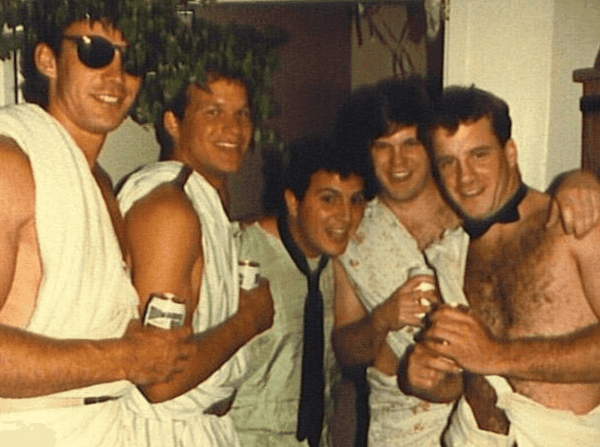
College can be a great time full of crazy memories that you often can't recollect because of how much you drank that night. I'm not saying stay sober the entire time, but prioritize. Get assignments done right away so you have more time to study or socialize. If you have morning classes, go to the party, but cut the night short and get some sleep. Think before you make a decision that could affect your academic standings: in six years would you like to have blurry memories of beer bongs in someone's dorm room that you didn't even know or would you rather be sitting on your boat drinking mojitos?