
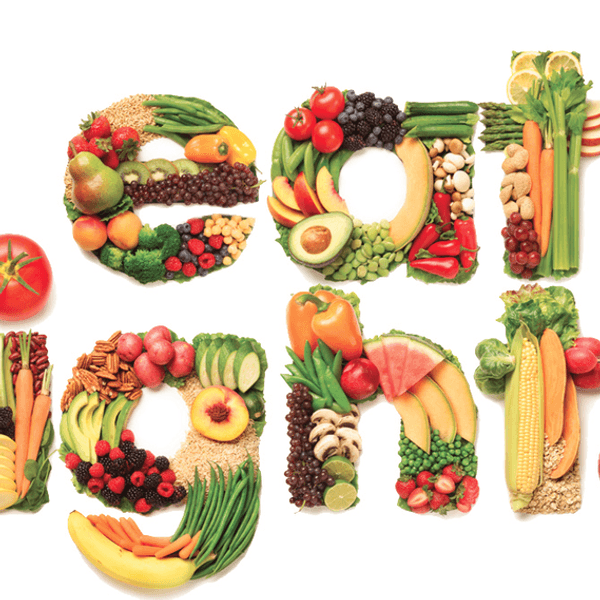

Some of the most common New Year's resolutions relate to health and fitness. People set goals for themselves to work out more, lose weight and eat healthier.

However, the majority of people usually can't consistently commit to these changes, especially the change of eating a healthier diet. After a couple weeks, they find themselves yet again eating pizza, cookies, crackers or anything else unhealthy. BUT, don't beat yourself up -- this may not be your fault. Your inability to stick to a healthy diet may not be about willpower, but instead about your brain's unconscious obsession with and craving for processed foods. BUT, again, this is not your fault!
American food industries produce and sell food products by processing, refining and adding salts, sugars and fats, leaving consumers addicted to the products. 63% of the average American's diet consists of processed foods. We aren't just talking about Cheetos, Lays, Twinkies and Hershey's. The overwhelming majority of our food products have been refined and has had sugar, fat, salt and chemicals added to it. Yes, that means even the foods you have always considered healthy -- like salad dressing, yogurt, nuts and whole wheat bread -- have been refined and processed to include unnecessary yet addicting chemicals (like high fructose corn syrup), sugar, fat and salt. Be sure to read the ingredient labels on everything you buy! Our food has been manipulated by the food industries that produce them so that we are hooked and we can't resist buying and eating more.
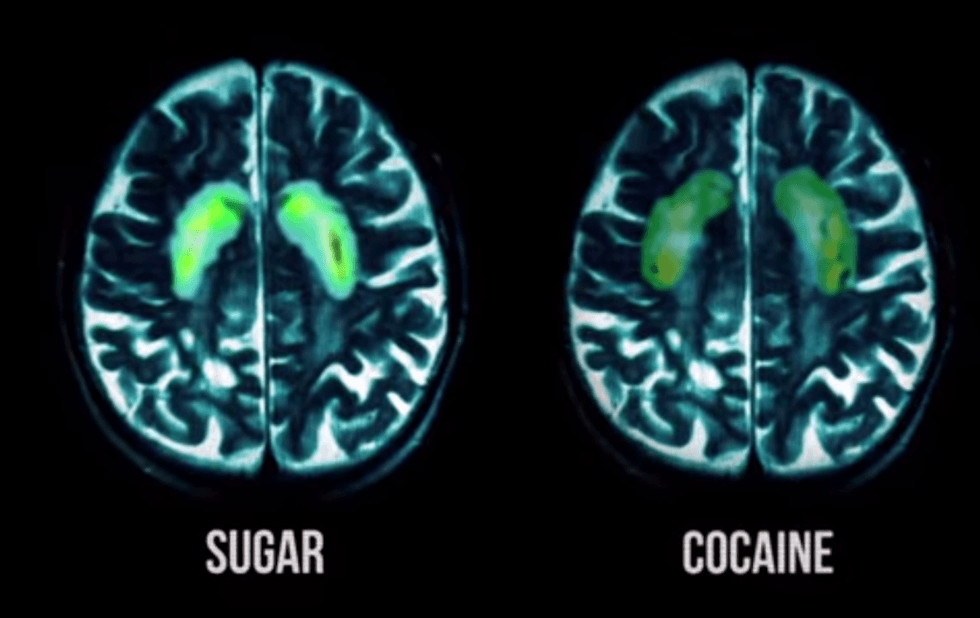
No wonder why we struggle to keep our resolution to eat healthier! Our brains have been hijacked by sugar, salt, fat and chemicals, leaving us craving and seeking foods that provide these addictive additives. Essentially, we have unknowingly and unintentionally abused our brains into addiction to unhealthy foods. Even though we consciously commit to eating healthier, we are unconsciously hooked on what's bad for us. BUT, there is hope! First off, now you are aware of your probable addiction to unhealthy foods. So, deciding to eat healthier is not necessarily a matter of willpower, but instead more of a matter of recovery. Resetting your brain from being hooked on unhealthy foods will require consciousness of your brain's relationship to unhealthy foods. This awareness will strengthen your commitment to a healthy diet and over time your brain will stop being obsessed with and stop craving unhealthy food.