


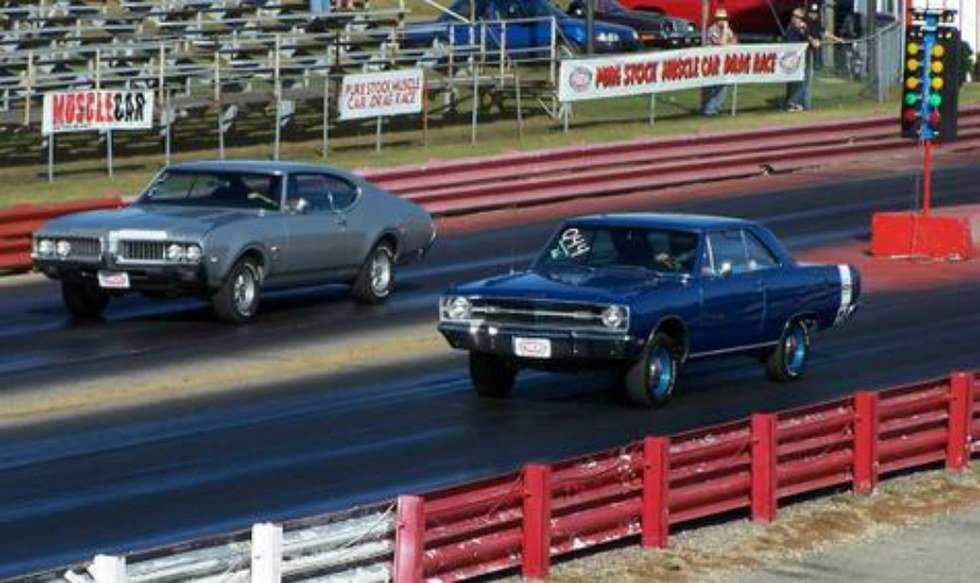
We live in a world where cars are constantly in use, and whether it's to go grocery shopping, to arrive at that party, or to just get away from the craziness for awhile, our society is constantly in those motorized vehicles. However, most assume that is the only purpose for cars. Sure, they know about racing, but they probably do not understand everything that goes into the sport. Especially when we are talking about drag racing.
Many assumptions exist about drag racing. Far too many people believe that it is all about getting from point A to point B at ridiculous speeds. They are partially correct. But what most don't know is that within that ridiculously quick race, much more is happening than just a fast ride. Not only am I going to tell you about all those things, but I'm going to give you a step-by-step process on what occurs. Of course, I'm throwing in a disclaimer, I'm not going to be able to write a step-by-step on a drag racer's day at the track. At lot happens in that day and it often varies. So in this article, we are focusing purely on the racing aspect.
Tech Inspection And Safety Gear
Before a racer is even allowed to drive down the track, they must go through what is called "tech inspection". This is a common thing at most tracks, and racers typically don't bat an eye about it. The track has a certified inspector who takes a look at your car and ensures that you have all the required equipment and that your car is safe to go down the track. The equipment required depends on how fast your car runs from the starting line to finish line.
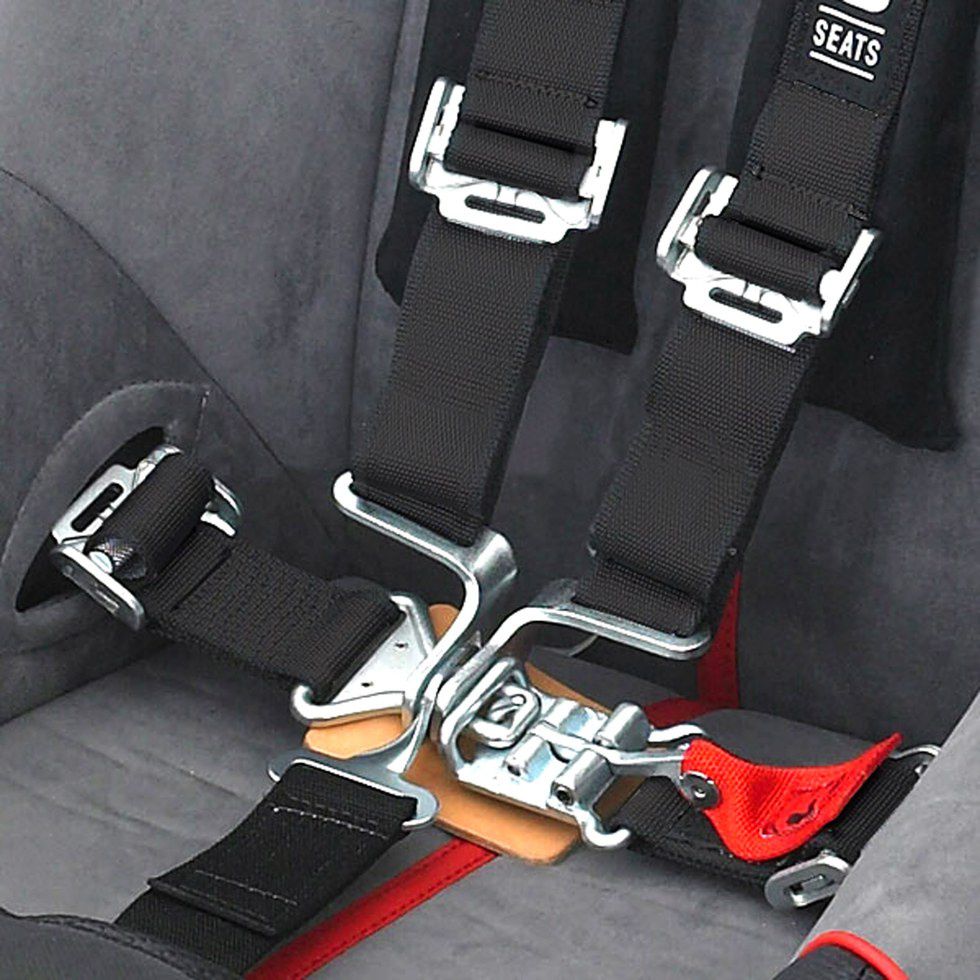
My car runs faster than 6.40 seconds in an eighth-mile which means I have to have a lot of equipment. The first part of the ensemble is the fire suit. My fire suit is my home. I love that thing. The pants are the most comfortable things in the world (even if they are too big). This suit is triple layered which means the fire has three layers of fire resistant material to get through before scorching my skin. Along with this suit are gloves, also fire retardant. The next part is the helmet and the neck brace/hans device. These items are pretty self-explanatory. The helmet protects your head in case of accident. The neck brace or hans device, depending on what you have, secures your neck. And of course, we can't forget the five-point safety harness, as pictured above. At first, it may appear uncomfortable but let me tell you, I would put one of these in my street car if they weren't so gosh darn expensive. I love my seat belts and it never fails that if we are working on the car, I'm not doing much work but rather strapping into my seat and making shifting noises.
Staging Lanes
After passing tech inspection, your class will be called to the staging lanes. These are lanes in which you wait for your turn to go onto the track. They are numbered and your class reports to your assigned lane. The staging lanes at my track are where most conversation during the day occurs.
Burn Outs And The Water Box
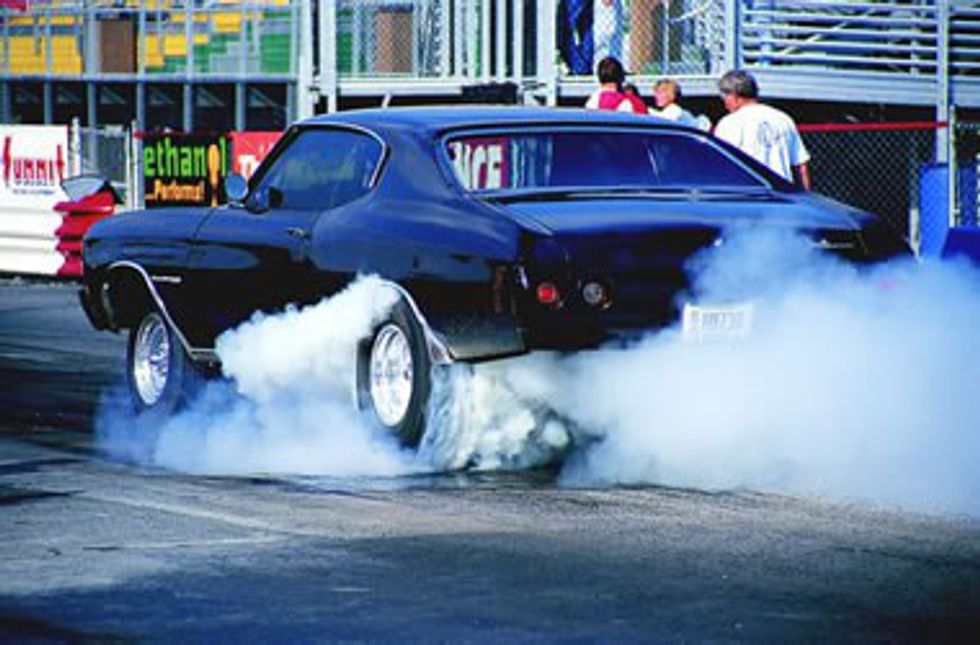
After (sometimes not so) patiently waiting, it finally becomes your turn to go down the track. You pull onto the track and maneuver the tires to be in the sticky grooves where racers are able to get the most traction. At my track, racers back into the water box, but at other tracks, the water box is driven through. The water box is simply a puddle of water which racers use to get their tires wet in preparation for their burnouts.
Burnouts are exciting to do and to watch. I don't know what it is about a car spinning their tires without moving and making a lot of smoke that makes people go wild, but they do. As a racer, the purpose of a burnout is to get the tires both clean and warm. This helps the car to get optimum traction as it speeds down the track. It's important not to do too long of a burnout as that could cause the tires to be too hot, which reduces traction. There is a perfect balance required.
Christmas Tree, Reaction Times And Byes
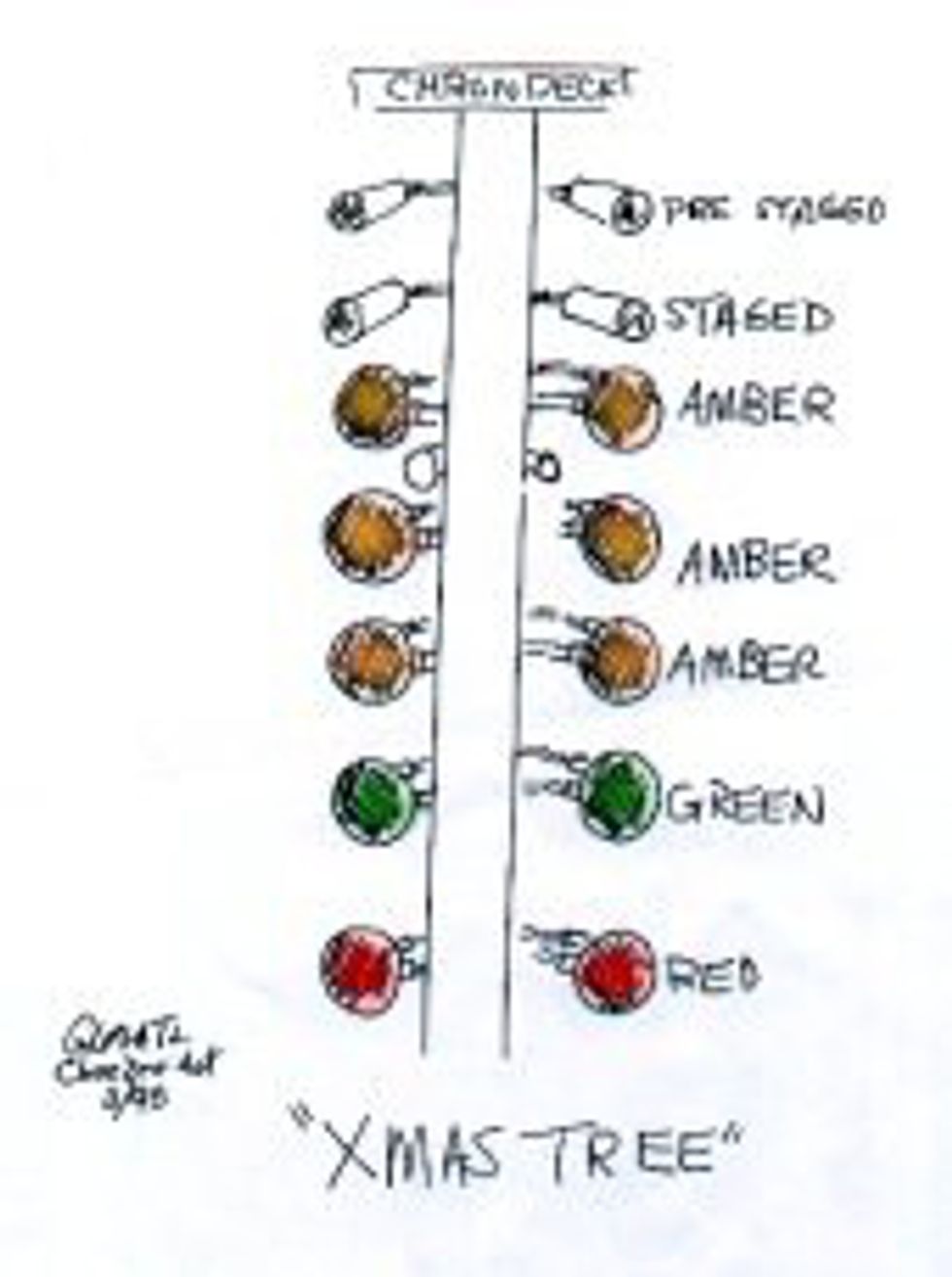
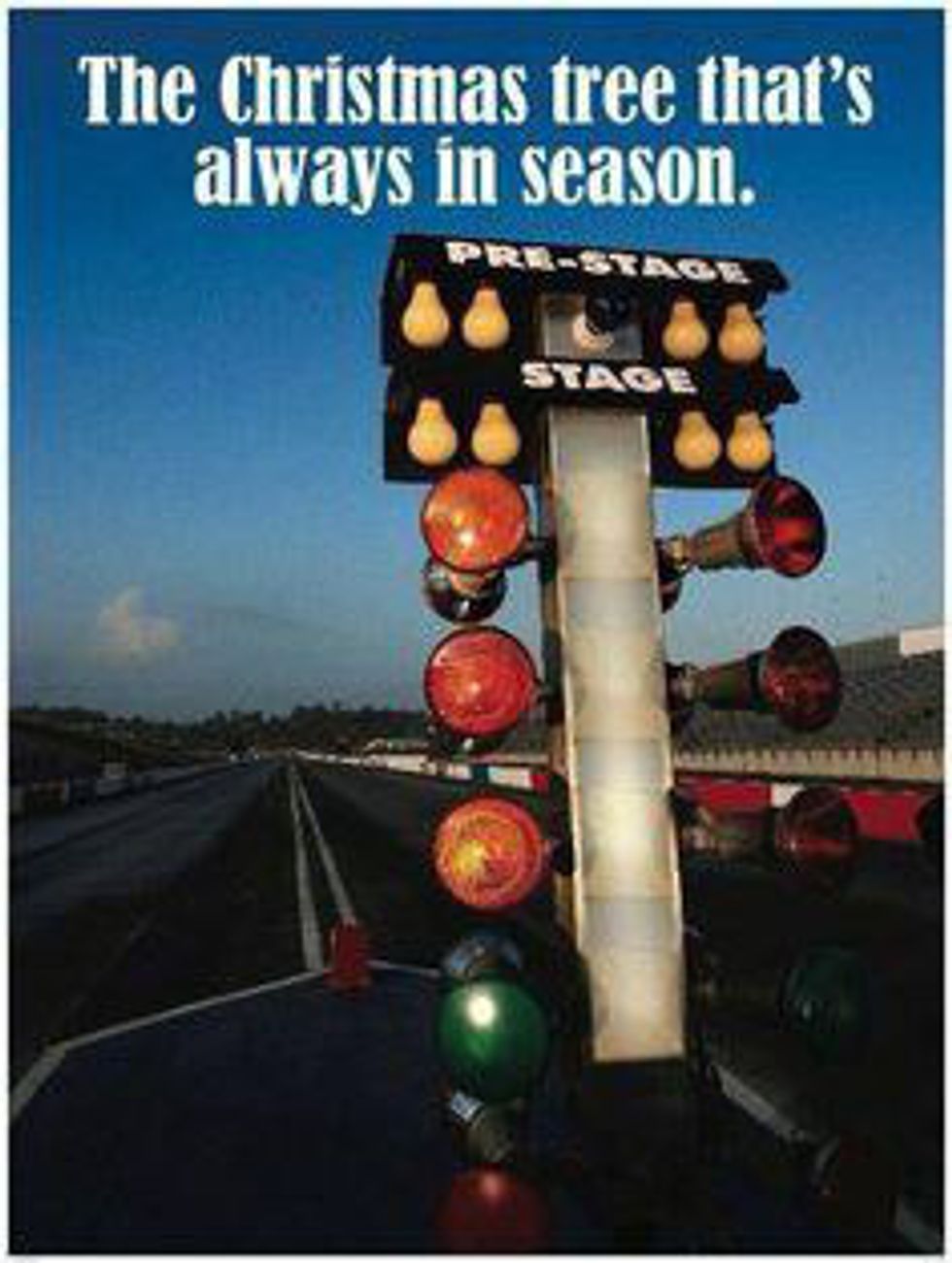
After doing a burnout, the driver will begin rolling towards the staging beams which activate the Christmas Tree. The Christmas Tree is a set of bulbs which tell the racer when to leave. As can be seen in the included images, there are two sets of pre-stage bulbs and two sets of staging bulbs. These bulbs signal when the racer is ready. There are beams positioned on the track in which the racer rolls into in order to turn on the lights. Once both drivers are pre-staged, they can roll into the staging beams. Once both pre-staging and staging beams are broken, the tree is activated, and a clock begins a countdown. Then the real action begins. The Ambers will come on and go out. The goal is to leave as soon as the third Amber comes on. However, it is much harder than it sounds, as it happens very fast and not all cars react as quickly as others.
The tree initiates the race. While it's a racer's goal to leave as soon as the third light comes on, you can leave later than that; but, it puts you at a disadvantage if your opponent left close to when the third amber came on. However, you cannot leave any earlier as that results in an automatic disqualification and a red light.
Sometimes, if you're lucky, you will get a bye because of your reaction time. A bye means that you have the potential to have a free run to the next round. If there is an uneven amount of cars in the round, then someone will not have an opponent. This is oftentimes chosen by the person with the best reaction time.
Wheelies
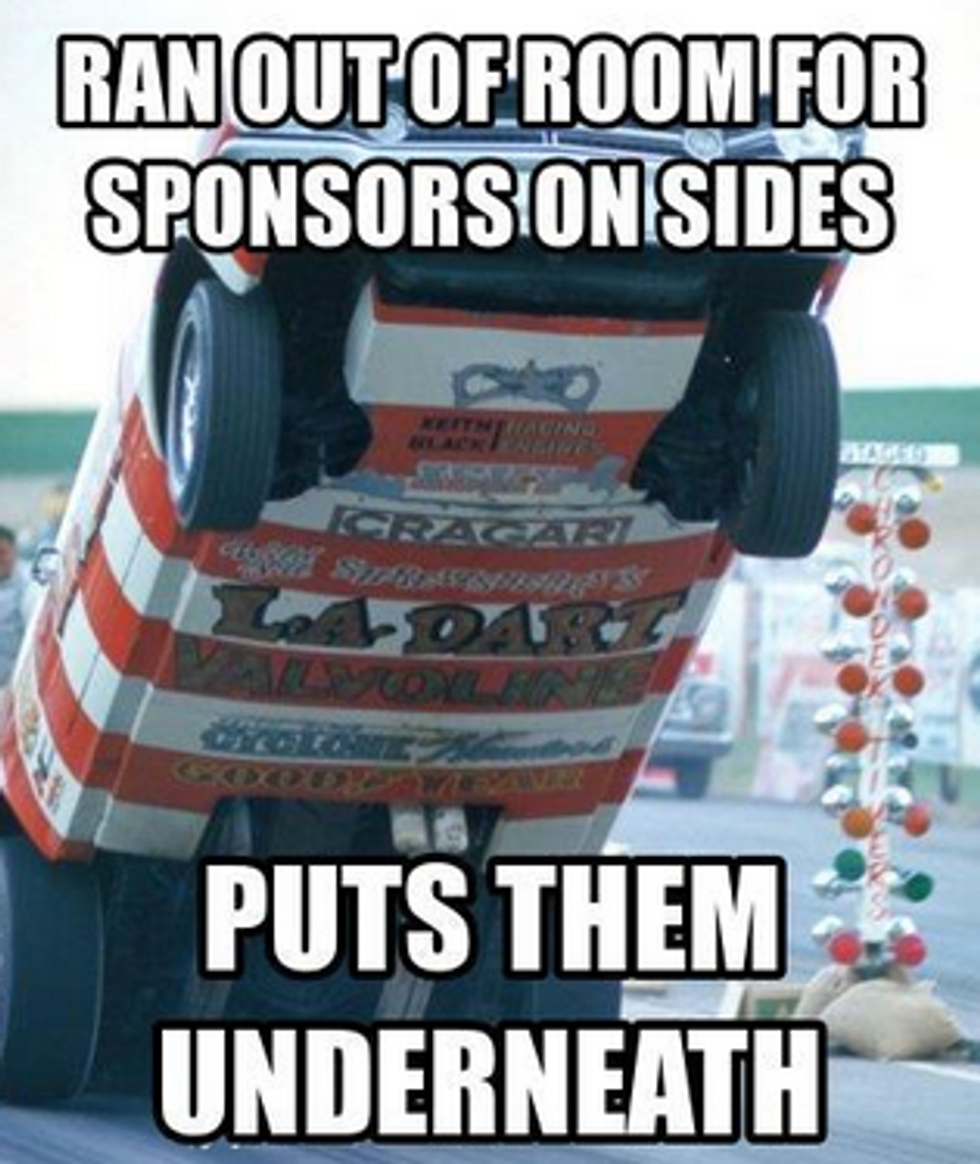
If a car has enough traction and power, then they will pick up the front tires in what is called a wheelie. Some cars pick up the front tires really high (like the picture) and carry them for quite a way, while other cars only pick them up an inch and then set them back down. There is no penalty for wheelies and they usually get the crowd going wild. However, some cars don't remain as consistent when carrying a wheelie. But that is not always the case.
Track Markers
Just as at the start of the track with the staging beams, there are also beams set up in the middle of the track to clock the time in which a racer passes through the beams. These help racers determine their dial-ins and also record who goes through the finish line first.
Dial-Ins, Whomping, And Dumping
Dial-ins, for me, are what make racing so much fun. Using the track markers and tickets, which will be discussed later, racers can make a guess at how fast their car is going to go in the next round. This is the essence of bracket racing. Racers have to guess how long it is going to take them to get down the track. If they go faster than their guess, they are disqualified. This is called "Breaking Out".
This guess is also what determines when their side of the Christmas Tree falls in comparison to their opponent. If they are faster than their opponent, the opponent gets a head start. That head start is determined by the dial-ins of both cars. So if you don't guess close to what your car runs, you probably won't win as your opponent is coming at an equal advantage to you.
Don't fear to break out, though. Experienced racers know the tricks to avoiding this. The first trick is called whomping. Whomping is the process of watching your opponent and getting on and off of the gas to maintain a minor lead over the opponent without using your car's full power. This can also be dangerous, though. Some whomping can result in your opponent getting past you and beating you.
Another trick is dumping or dropping your opponent. This is the process of getting completely out of the gas or stomping on the brakes. This forces your opponent to get to the finish line first, in the hopes that they break out. Really skilled racers drop their opponents in every round.
Finish Line/Score Boards
The finish line is where the race ends. This spot is signified by either flag, cones, or the scoreboard. The scoreboard flashes the winner and some even have the time in which it took the cars to get down the track.
Shut Down Area And Sand Pit
The shutdown area is directly after the finish line. This area is the coasting area that allows racers to slow down before trying to make the turn off the track. Sometimes racers are unable to get slowed down. There are many reasons for this. Typically it is a mechanical problem or lack of experience. Luckily, tracks have what is called the sand pit, which is a pit of sand or other sand-like material which slows the car down while providing little damage to the car or driver.
Ticket Booth
The ticket booth is where racers get their numbers from the race. The ticket has both that driver's dial-ins, reaction times, and times that it took to get down the track. This allows racers to make educated guesses on what their car will run next round. It also informs them on how close the race was at the finish line or margin of victory.
Conclusion
As you can tell, there is much to drag racing. So much that this isn't even everything about the sport. Safety crews, the track crew, the tower, your own crew, motor homes, trailers, accidents, and special events are just some things that exist that weren't mentioned. And even what was mentioned was in minuscule detail, trying to be a simple as possible. I hope you learned something and are able to go out, support your local track, and have some fun drag racing with the knowledge of what you've learned from this article.
















10 Annoying Comments That Make Every Horseback Rider Chomp At The Bit