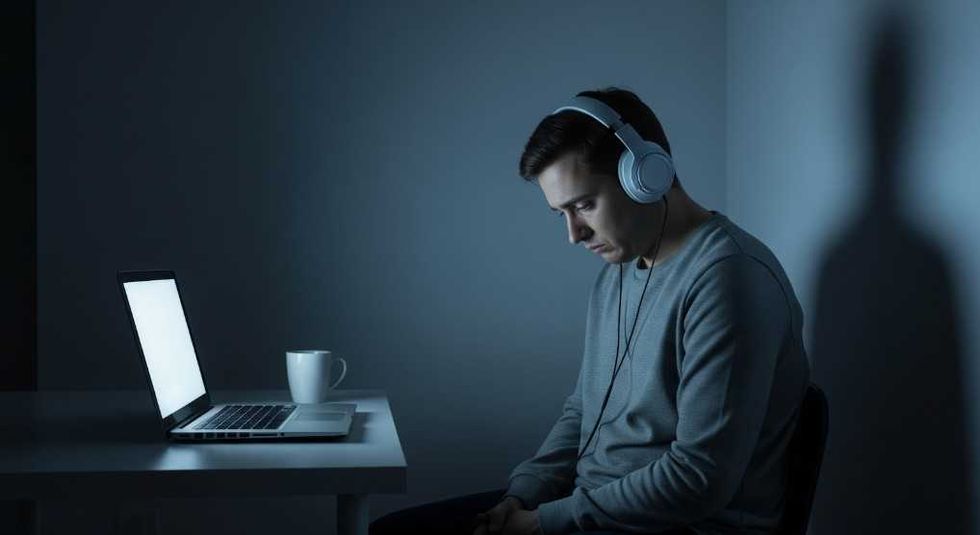

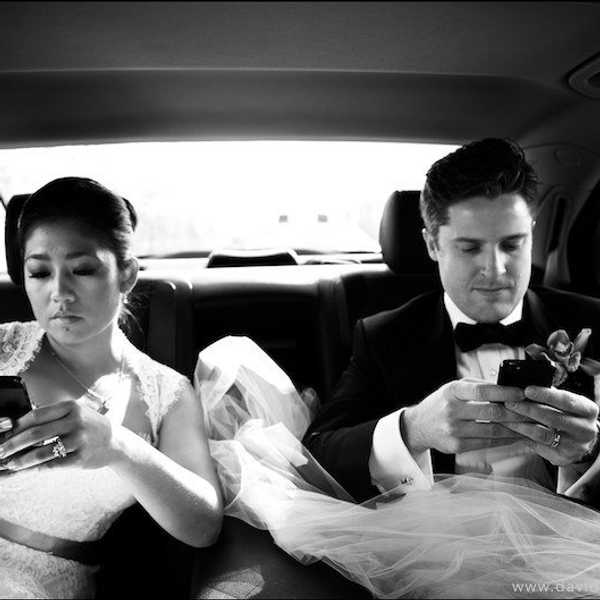

Our generation, obsessed with social media, suffers from social anxiety as a result. We are more comfortable looking down at our phone screen than actually looking people in the eyes. We prefer screen time over eye contact in social situations, especially when we feel nervous, like when in the presence of someone we have a romantic interest in. It’s a widespread phenomenon that a boy would rather “slide in a girl’s DMs” than introduce himself to her, or tell her he thinks she is beautiful, in person. We have become too comfortable behind a screen, thus impeding on the quality of our face-to-face social interactions.
The relationships we do build with others, whether romantic or platonic, is easily impeded by our dependency on social media. We’re not called the iPhone generation for nothing. College-aged people who are in committed relationships tend to feel the pressure to showcase their relationship and how happy they are together on social media. Regardless of how cute their Instagram couple photos may seem, that does not at all indicate how healthy and happy the relationship actually is. If anything, posting about your relationship or significant other may pose this question: who are you trying to convince that you are happy together, the world or yourself?
Millennials: you don’t have to post photos of your boyfriend as your “man crush Monday” or your girlfriend as your “woman crush Wednesday” every week — or at all! You don’t have to prove to anyone that you are happy in your relationship. If you truly are happy in your relationship, you won’t feel the need to prove it on your social media profiles. If you are happy and in love, who cares what everyone else thinks? And if you truly are a happy couple, people will see it in real life, rather than just online.
While some use social media to broadcast their relationships to the world, some use it in a way that creates issues in a relationship. What you like, re-tweet, follow, and post on social media easily leads to fights between boyfriends and girlfriends. For example, a jealous girlfriend may take note of her boyfriend’s social media activity, such as pictures he is liking on Instagram, or Twitter accounts he follows, and confront him, “Why did you like the selfie that girl posted on Instagram?”A jealous boyfriend, too, may ask his girlfriend, “Who is that guy in that picture you’re tagged in on Facebook?” It’s so easy to track someone’s social media activity, thus feeding jealousy and trust issues in relationships, which can easily lead to accusations of cheating. Social media is not to blame for unhealthy relationships, but it certainly doesn’t help already unhealthy relationships or jealousy issues. It only allows the problem to grow bigger, which can create huge fights and divisions in relationships.
On Twitter, for example, you can turn on Tweet notifications for a person, so every time that person Tweets or re-tweets something, you will instantly receive a notification. This, and other ways of tracking someone’s social media use allows couples to say: “why were you on Twitter but ignoring my text?” or “I saw that you opened my Snapchat 24 minutes ago; why haven’t you responded?” While technology allows us to connect so instantly, it also can create larger disconnects.
Dating sure would be easier without the dominance of social media, but it’s not going away anytime soon. So my advice is this: keep your relationship off social media as much as possible, and, if you can trust your partner enough, don’t feel the need to track their social media usage. They shouldn’t be giving you a reason to worry, and if they do, maybe you should re-evaluate your relationship.