As I sit in a coffee shop on campus finishing my philosophy homework, I can't help but overhear the conversations of my fellow students. As it is the day after voting for the primaries, most of the talk is about the major candidates: Trump, Cruz, Clinton, and Sanders; however, most of the conversations seem to have no depth or factual backing to them. Do students even seem to understand the candidates' stances on various political and environmental issues, or are they solely voting because it's cool, and they can take a picture with their voting sticker to post on various social media platforms?
So many students I have overheard, or had political discussions with, seem to lack the necessary knowledge that is essential to casting a vote. According to the Pew Research Center, nearly 89 percent of people aged 18 and up are avid users of social media. Having such a large percentage of eligible voters have access to so many platforms of social media can pose a serious threat to the outcome of the election. Numerous pages on social media's main purpose is to create fake tweets, Facebook posts, or even Photoshop screenshots of reliable news networks to post on social media in an attempt to be funny while simultaneously swaying young voters. For example:
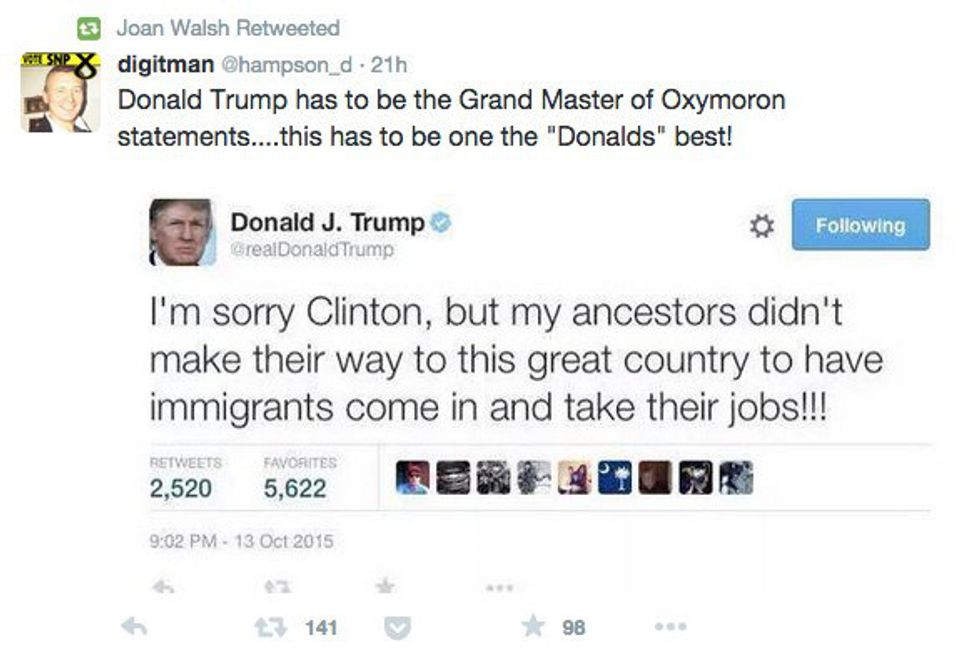
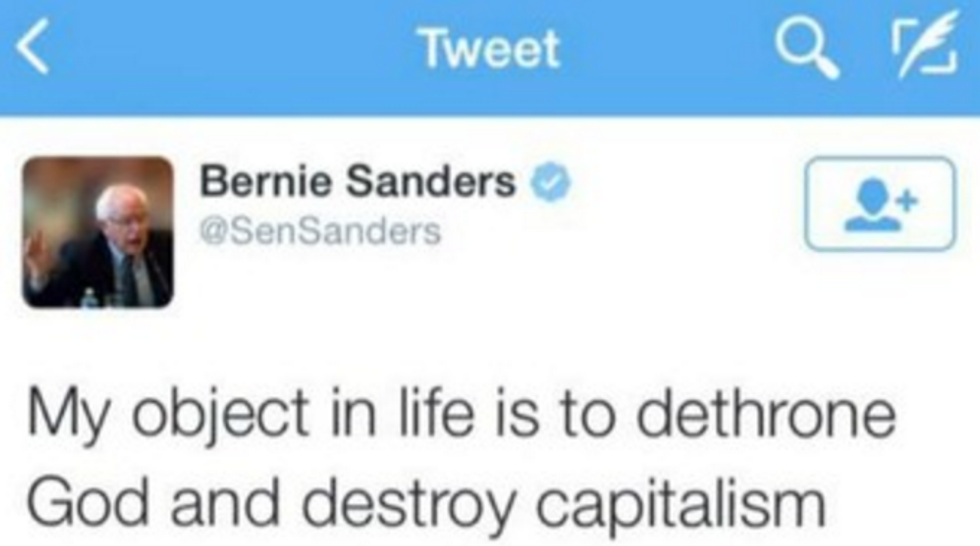
Neither of these tweets were composed by the Presidential candidates or those who work for them. Tweets such as these two make such a strong impact on those who are eligible to vote or those that have a desire to form a political opinion. Seeing a tweet from Bernie Sanders saying he wants to dethrone God could sway some from listening to Bernie on reliable platforms in order to see or hear his true views and his opinion.
One of the many problems with this generation of teenagers is that many of them fail to read a newspaper, watch the news themselves, take political or government classes, or watch the debate in order to develop their own opinions and retain and understand the information well enough to pose a well-organized debate and stance when confronted about their political views.
Another problem with this generation is that they will say anything behind the monitor of an electronic device. So many eligible voters will support Sanders, Trump, Clinton, or Cruz online and bash those whose political views clash with theirs; however, when the time comes, most will fail to actually go to the polls. After failing to perform their duties as citizens, these people will sit in their house and complain when the results roll in. No vote, no complaints. Plain and simple. Preaching your political opinion on social media yet failing to make a difference is so utterly pointless.
With this generation so caught up in Facebook, Twitter, Instagram, Tumblr, and any other form of social media one can think of, it's no wonder that Presidential candidates are reaching out on social media to try to attract larger crowd of voters; however, with so many fake accounts and Photoshop, it is nearly impossible now to believe anything one sees on any social media platform. Voters also will preach their opinions and fail to go out and actually vote. What's the point of that?
This generation needs to take a step back, take a minute to look away from the screens of their iPhones, and watch the news and debates and pick up a newspaper. This way, potential voters can actually learn what the candidates say and believe in instead of learning from a site. Take a break. Learn. Vote with some sense. Vote in general.