
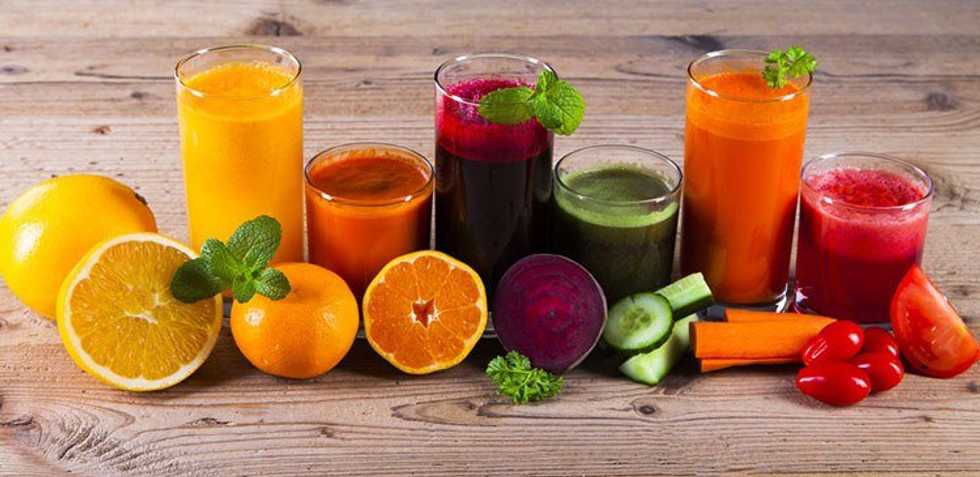
The same scientists, Barry Popkin and Gorge Bray, who blew the whistle on the unhealthy effects of high fructose corn syrup are now warning us about the high sugar content in supposedly healthy drinks such as juices and smoothies.
"Smoothies and fruit juice are the new danger," said Popkin, a distinguished professor at the department of nutrition at the University of North Carolina, in an interview with the Guardian. He added: "It's kind of the next step in the evolution of the battle. And it's a really big part of it because in every country they've been replacing soft drinks with fruit juice and smoothies as the new healthy beverage. So you will find that Coke and Pepsi have bought dozens [of fruit juice companies] around the globe."
Back in the early 2000s, the two scientists discovered a correlation between soaring obesity and how many of those individuals drank high calorie sugar-sweetened soft drinks. Today, instead of the carbonated beverages people used to drink between meals, they will often opt for the seemingly healthier smoothie.
However, as Popkin warns, all sugar is the same; whether it's naturally produced or chemically created our body treats the sugar from the fruits in the smoothie the same as a coke.
Popkin notes, "The most important issue about added sugar is that everybody thinks it's cane sugar or maybe beet sugar or HFC syrup or all the other syrups but, globally, the cheapest thing on the market almost is fruit juice concentrate coming out of China.
It has created an overwhelming supply of apple juice concentrate. It is being used everywhere and it also gets around the sugar quotas that lots of countries have."
More studies need to be done before governments and health bodies around the world will take notice. There are only two really good long term trials -- one in Singapore and one by Harvard, he says. "But all the long term studies on fruit juice in anything show the same kind of effect whether it's a smoothie or natural [juice] and whether it's a diabetes or weight gain effect," Popkin added.
Innocent Smoothies claims that people who drink juice have better diets and lower rates of obesity than others, although the studies it cited had funding from the juice industry. This leads to quite a bit of speculation on the legitimacy of these studies.
Not only are smoothies and juices a sugar shock to your system, but Dr. Brian Clement has found in his studies that blending fruits and vegetable for only 90 to 120 seconds destroys 85 percent to 92 percent of its nutrients.
There are also other studies that show blending fruits and vegetables break up the fiber, changing its absorption in your body. There are also other studies that show whereas blending breaks up fiber, juicing completely destroys it.
Either way, without the proper amount of fiber, or no fiber, being absorbed into your system, there is nothing to slow down the rate of sugars absorption in your body, causing your blood sugar to spike. Without the fiber you would get from eating a whole piece of fruit, you also don't get the feeling of being full, causing you to eat more later.
Not only will smoothies boost blood sugar, and make you crave more food, but they're a calorie bomb by themselves. The average Jamba Juice smoothie is 500 calories; as a meal that's fine but as a snack? The recommended calorie intake for a snack is 200 calories, max.
Instead of going for a smoothie, next time, just opt for the actual piece of fruit. It tastes just as good, has less calories, and will make you feel full longer because of the fiber. Time to say goodbye to your pretty smoothie bowl Instagrams.