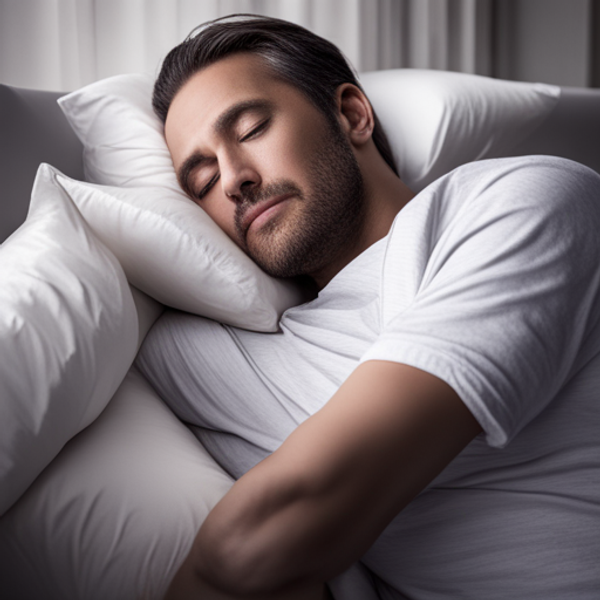

When it comes to sleep apnea the common stereotype is middle aged or older, over weight men. While only one in eight women to men are diagnosed with sleep apnea, it's likely the ratio of affected women to men is closer to one to two or three.
Sleep apnea can have dire consequences in terms of cardiovascular health- your breath stopping during the night forces your heart to work overtime. Very petite women who tend to have smaller airways are at an even higher risk than average.

-This isn't always what sleep apnea looks like. The strong stereotypes lead to missed diagnosis putting women at risk.
There are three forms of sleep apnea
- Obstructive sleep apnea- the one everyone’s heard of where and obstruction in the airways blocks air movement.
- Central sleep apnea. There is no physical obstruction of the airways, the central nervous system does not trigger the body to breath correctly during sleep.
- Combined type. Both physical obstruction and central nervous system errors are at play.
With central sleep apnea, the afflicted person will likely not snore, making it less obvious to them that there might even be a problem.
Hypertension (high blood pressure,) otherwise unexplained chronic migraines, and teeth grinding are all sleep apnea symptoms to look out for.
What should I do if I suspect I have sleep apnea?
If you suspect you have sleep apnea, visit your primary care doctor. They will refer you for either a home sleep apnea test or a sleep study depending on which is more appropriate for your situation.
If you do end up having sleep apnea, fear not! Sleep apnea is easily treatable.
CPAP
The CPAP machine is the most common treatment for sleep apnea. This is a machine that hooks up to your face and blows a constant stream of air up your nose. This increases the air pressure in your throat so that your airway doesn't collapse when you breathe in.
CPAP is no longer your uncle’s old snore box that’s just as loud as the snoring itself. In recent years, improvements in the machine have brought the sound down to a whisper. There are also attachments that just connects to the nostrils, rather than using a face mask that covers the whole nose and mouth.

Goodbye Darth Vader mask of old, hello little mask of today.

Apparently, you can even get cpap masks with cool patterns:

There is also a new treatment out-- a corrective dental device. This can be a great option for people with sleep apnea and teeth grinding, the device holds the jaw in the proper place to keep your airways clear. This can be a great option for frequent travelers and people who find the face mask uncomfortable. To get the device, you would need to go through your dentist.






 man running in forestPhoto by