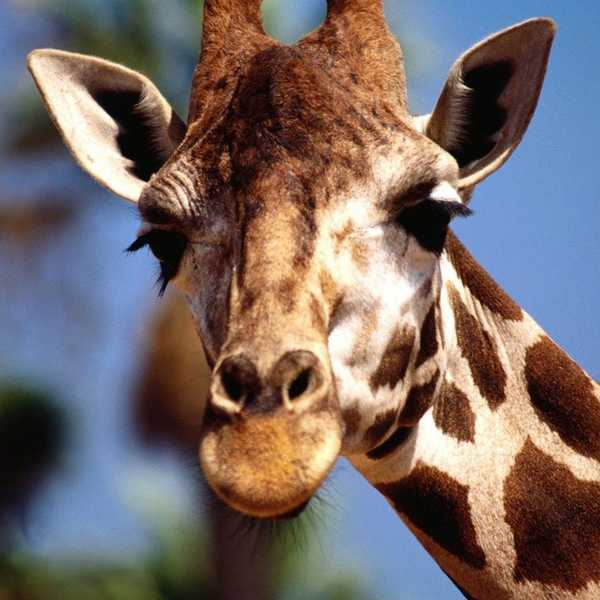

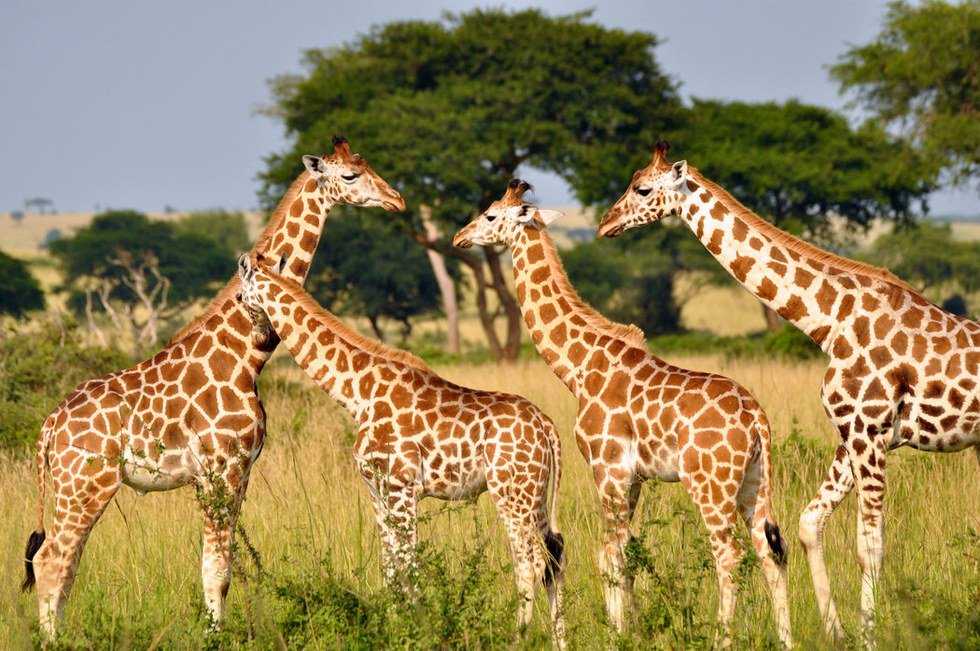
Without taking the importance away from the urgent subject, the strong publicity and heavy focus on the conservation status of elephants, rhinoceros, and many big cats, have caused a total ignorance to the fact that giraffes are facing serious problems of extinction. While it is good that efforts are being made in order to protect these species, the population of giraffes is rapidly decreasing with almost nobody noticing. Habitat loss and poaching once again proving themselves to be successful wildlife exterminators, the giraffe population has decreased by 40% in the last 15 years.
Giraffes are well evolved and adapted animals and should not be naturally facing the threat of extinction. With their extremely high blood pressure, they are able to pump sufficient blood to their heads while constantly holding it up in order to browse for food. Their long necks give them the advantage of not having to battle with other species for their food, for they are the only ones capable of reaching it. This noncompetitive diet allows giraffes to live less stressfully and minimizes the number of giraffes that die due to famine or malnutrition.
While giraffes should be eating with little to no problem, they are also not being regularly eaten. Most ungulate animals residing in the African wild are susceptible to falling prey to big cats or crocodiles, with the exception of giraffes. When taking into account the hunting methods of lions, cheetahs, and leopards, the reason as to why giraffes are not natural preys can be easily identified. It is virtually impossible for these big cats to fatally bite a giraffe’s neck due to both the height and muscular strength of it, so with the jugular vein and carotid artery out of game and the vertebrae being impossible to break, predators usually know better than to try to take on a giraffe. Of course there have been cases of giraffes being hunted down by big cats, but these occurrences are not frequent enough to directly affect the total giraffe population.
Human overexploitation of the planet is the reason behind this threat to the giraffe’s population, and it is dangerous that no one is talking about it. While agricultural expansions are limiting giraffes’ eating sources and territory, poaching is what is causing the most devastating effects on the wild’s giraffe populations. The key to saving the giraffes seems to lie in the fight against poaching and illegal trading of animal parts. If organizations are able to crackdown on illegal giraffe parts being exported from Africa, significant positive changes could soon arise.
Southern areas of Africa also hold the key to saving giraffe populations with their numerous wildlife conservation parks. With zoos and wildlife sanctuaries being able to successfully breed giraffes and different animal conservation areas being able to transport and maintain large number of giraffes among Southern Africa, they stand a chance against the destructiveness of humans.