
It’s a Tuesday and practice consists of a 70-minute aerobic run. It’s a beautiful day with the sun shining, albeit a little hot, and I set off with my teammates to run around town. We settle into a rhythm, find a track of conversation to distract us from the thousands of strides and the rolling hills, and the seconds tick by. About 35 minutes into the run, which has been relatively uneventful, we are jarred from the world we’ve encapsulated ourselves in by the blaring of a car horn to our right, as a car swerves a little too close for comfort. I jump mid-stride, my heart races, and I get angry.
We had done nothing wrong, hugging the left shoulder of the road and staying aware of our surroundings. Yet, this woman in this car was so annoyed by our presence and the perhaps three feet she had to move to her left to accommodate us, that she honked to voice her displeasure. Or perhaps she thought it’d be fun to scare us, knowing that we’d jump. Maybe she took offense at the fact that we were running without our shirts on. I’ll never know exactly why she honked, but I know that it’s unacceptable. Even if she had a message she felt important to convey to us, a honk is far too ambiguous to communicate effectively. More likely, she was reacting in anger, with no intent but to piss us off. It worked.
Fifteen minutes later in the run, we had to cross a street right as a car was approaching the intersection. The woman in this car smiled, waved at us, and yelled for us to go ahead. We smiled, waved back, and thanked her. I was still bitter about the last exchange we had with a car, so much so that this act of kindness elevated my mood immensely. Unfortunately what that reminds me is that experiencing kindness while I’m running has become the exception instead of the expectation. My story is beginning to sound long, and my run has also begun to feel long, but it’s not over yet. Five minutes later, running through the center of town, a truck slows and a man leans his head and shoulders out the window to stare us down and provide unsolicited commentary on that phase of our run. I react with silence and direct my eyes straight ahead, all the while wanting to run out of his sight as quickly as possible. And all this happened in one day’s run.
This run was perhaps more interactive with strangers than my average run, but on the thousands of runs I’ve gone on since I began running at the age of thirteen, I’ve racked up so many instances of harassment that I could regale you for hours. I never used to mind, because the many annoying moments became mere stories to tell at dinner or to laugh about later. But now, I mind.
It used to be that when I ran I felt invincible. Running around town I felt in control of where I turned and how quickly I got from one neighborhood to another and when I returned home I’d conquered the world. I never understood my mom’s intense worry when I’d hit the country roads by myself, and was peeved by her demands to know where I was going and for how long I’d be gone. I rebelled against her worldview that I needed to fear the worst, and feared nothing. Inevitably, as I got older, her words took root in my brain. I began to entertain myself on runs by planning escape routes I could employ if I were chased, and memorizing license plates of cars that passed if they were to kidnap me. But still, I took risks.
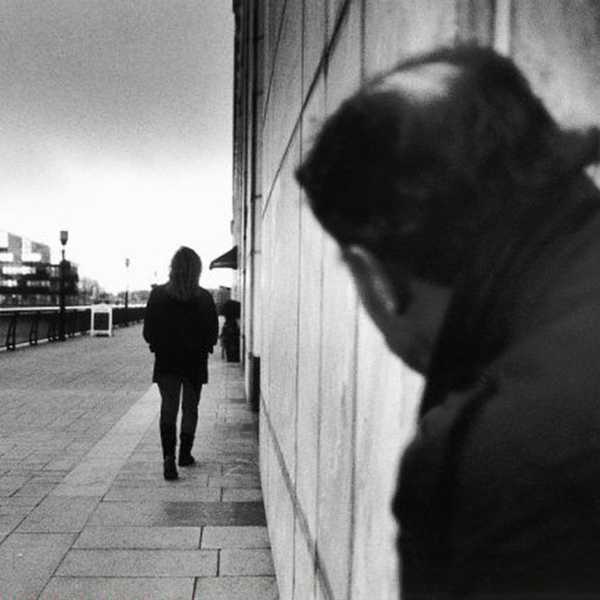
That all stopped this summer when I had to run alone in Washington, D.C. I’ve never lived in a city, and I felt much less safe than I did in my hometown. I had to build up confidence in myself and my ability to navigate before slowly pushing the boundaries of where I ran to farther and farther from my dorm. I had one unfortunate experience with a man on the sidewalk by the white house and I didn’t run by there again for weeks. I ended up downloading an app called RoadID so a friend could track me and be alerted if disaster struck. I had turned into my mother, and for the first time, I felt vulnerable while running instead of invincible.
Being back on campus, in the smallest town I’ve ever inhabited, yet still unable to escape the harassment, is revealing of how prevalent this phenomenon of being rude to runners is. I cannot comprehend what goes through someone’s mind that they feel they need to confront or berate strangers running along the side of the road, but it’s surely a sense that what they have to say is important, and not only that, but that it’s more important than the runner’s right to run undisturbed. They are wrong. What they say or do may occupy their minds for as long as I’m within earshot or eyesight, but what they say to me sticks with me not only for the entire duration of my run, but also every time I set out to run again. That’s because being harassed on a run isn’t just a little annoying- it’s a reminder of my vulnerability. Being vulnerable does not mean I’m weak; in fact, it’s a hallmark of being a runner. Yet, vulnerability as a runner should be limited to the physical and emotional tolls of a particularly tough run, not to imminent danger from colliding with a two ton speeding vehicle or from encountering a pervert.
It’s unfortunate that runners everywhere, including myself, at times feel unsafe when they step out their front doors, but it’s more unfortunate that some runners actually are unsafe when they set out to run. The longer we tolerate a culture where runners feel vulnerable to passersby, the more likely it is that people who intend to do harm will view runners as vulnerable in return, and running will become tragic instead of euphoric.
I love to run, but I hate that there’s a budding asterisk at the end of that phrase that amounts to “but here’s hoping I don’t get harassed.” I know I’ll encounter people on my runs, and I’ll always welcome and return a smile or wave, because all people should be able to engage in polite exchange, but there’s a clear distinction between this type of interaction and harassment. In terms of the latter, the five seconds of fame or five seconds of fun a passerby experiences from sending a harassing comment or complaint my way has the consequence of inflicting damage that lasts a lifetime.