

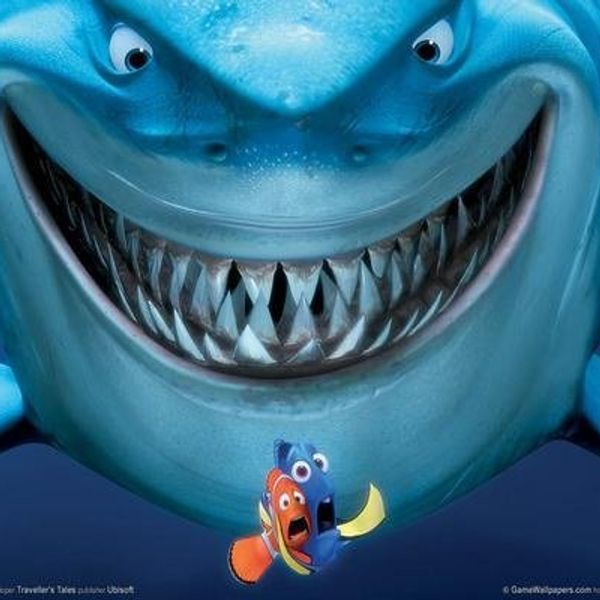
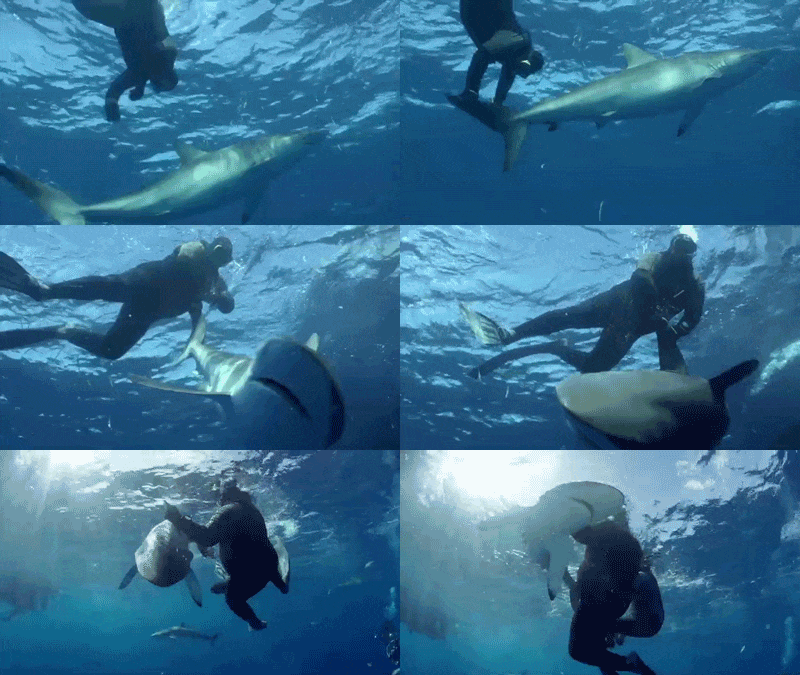
By mid summer we are in full hometown mode with the days of campus life long out of our minds. As we enter July there are many things to look forward to: Independence Day in all its red, white and blue glory; and the full swing of summer heat, perfect for trips to the beach and nightly bonfires. But there is one tradition be known to summer awaited all year long. Anticipated with ominous commercial, the pastime of Shark Week is now as traditional to summer as barbeques and ice cream. In this week long celebration Discovery Channel airs non-stop shark-based programming with the intention of celebrating the magnificence of the ocean’s largest fish, and gaining respect for the creatures by informing viewers of its brilliance.

However, while its original intention was purely shark conservation efforts, Shark Week has now turned to a seven-day party and has since spawned several drinking games. All around the nation, college-aged kids gather around their television with beer in hand, pledging to drink upon certain common Shark Week occurrences: including but not limited to surfboarders and Australian accents. But since the event’s inception 27 years ago, the week has gained major popularity, attracting up to four millions viewers in recent years. It has earned its title as Discovery’s longest running and most popular programming event.
And seeing the opportunity to further its popularity, Discovery has transformed, what used to be intellectual programming, into mindless entertainment. Replacing documentaries based on knowledge of the habits and history of the creature, Discovery Channel has now become infamous for their “pseudo documentaries,” managing to dupe millions of viewers each year. During Shark Week, this comes in the form of "Megalodon: The Monster Shark" featuring a prehistoric shark that could grow up to about 100 feet in length. However, throughout the show, Discovery leads viewers to believe that evidence indicates the shark’s presence in today’s marine life, without ever revealing the fictitious nature of the pseudo documentary. This instills fear in the minds of many beach-goers, who were brave enough to take on Shark Week while vacationing seaside. And since megalodon’s appearance on Shark Week, programming has only gone down hill. Last year Syfy Channel, in an attempt to capitalize on the sensation of Shark Week, produced a made-for-television film more ridiculous and dramatic than anything you could ever find on a soap opera. “Sharknado” baffled viewers as it depicted a tornado so powerful that it had the capability to lift sharks and rain them down upon the city of Los Angeles. If that wasn’t enough, the film has managed to spawn two sequels and find its way onto Netflix.
But with all this popularity and sensation over sharks, it is important to ask ourselves, what are the real effects of Shark Week? Most see the event as a senseless tradition they carelessly partake in for the spirit of summer. With all the bad programming that you can already find on TV, what harm is Discovery doing if they also falter from the truth? But the truth is, this altered version of Shark Week is actually harming the fish we strive to celebrate. Similar to how the movie "Jaws" instilled fear in the nation back in the 70s, Shark Week aims to demonize these animals through the manipulation of film. By capturing these animals after harassing them, or baiting them with meat until they are in a feeding frenzy, the public sees only the most dangerous side of these animals. As a result, the public learns to fear and hate these creatures. After the release of Jaws, fear caused the death of many of these animals out of the oceans. Promoting the terror of sharks through film also prompts hunters, vying to prove their manliness, to head out into the oceans armed with harpoons and guns to defeat one of these depicted "beasts." While we yearn to praise sharks through Shark Week, the reality of the event is a resulting mass slaughter. The misinformation arising from pseudo documentaries, along with the fear arising by displaying only the most terrorizing shots of sharks is actually harming conservation efforts. People, afraid of being killed by these animals in the ocean, are less likely to donate towards the research and protection of the fish. If we as a nation truly want to celebrate the creature, we should focus on providing realistic and un-biased film coverage. We can still keep the festivities of Shark Week, but don’t trade ratings for the wellbeing of this endangered fish.


















