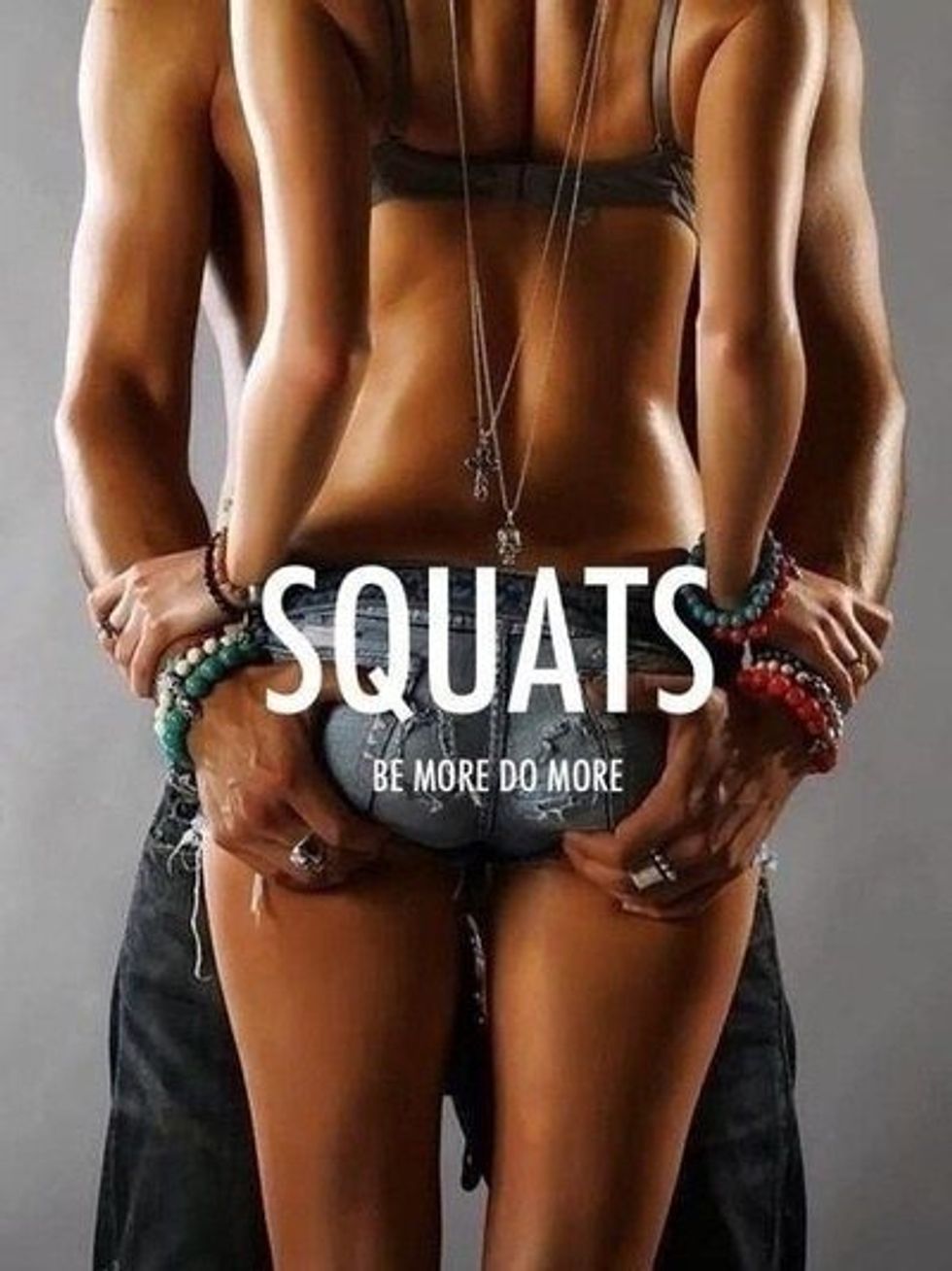
With our nation’s increasing obsession with the wonderful gluteus maximus, exercises designed for enlarging the muscles have grown in popularity. Although societal trends have always favored achieving the “perfect body”, exercises and products dedicated to creating an hourglass figure has left a major impact on social media within the past few years. By simply scrolling through my Instagram feed, I repeatedly encounter ads for waist clinchers. And searching for workouts on Pinterest immediately directs me to pins for obtaining sexy legs and butt-enhancing squat challenges. So basically, according to social media, the objective of a woman working out is to achieve or maintain a flat stomach, a big butt, and the ever popular thigh gap. Contrary to the views of Instagram, women workout for reasons other than getting a huge butt.
Along with many influencers in our society, the fitness industry is no stranger to sexualizing men and women to sell a product. From gym equipment, to supplements, to personal fitness tutorials; sexuality is somehow incorporated to gain massive attention from audiences. Although the marketing for many fitness products features half-naked men and women, it can often be viewed as more inspiring rather than negative. In many ways, it’s empowering to see lean and toned fitness models who appear healthy because it encourages many people to reach their goals. However, the rise of #fitspiration has contributed to more of a shallow view of fitness.
I get that #fitspiration differs for everyone, but by simply searching the popular hashtag, viewers are exposed to the idea that being skinny correlates to being fit. There are other images much more inspiring, that feature people of all sizes and stages of their fitness journey, but images of extremely skinny women in bikinis triumphs over other #fitspiration post. Furthermore, superficiality has made an entrance into the fitness world throughout the years. Searching for workouts for women easily guides you to links for videos of women in thong bikinis demonstrating leg and ab workouts. And fitness pages created for women remains dedicated to booty shorts and idolizing waist clinchers and flat tummy teas.
While the sexual trends in fitness may prove to be an effective motivator for some, it can damage body views for others. Ultimately, insecurities with body image can result in health concerns such as depression, anxiety, and more. With growing trends of self-love and acceptance, I’d imagine that it would be reflected in the fitness community. However, searching ‘fitness’ on most social media platforms results in a one-sided view of what being fit looks like.
It’s perfectly okay to want to look a certain way, wear a waist trainer, and partake in the occasional squat challenge; but other values in the fitness industry also deserve acknowledgment.
The one-sided, sexualized view of fitness is not the only definition of what fit looks like.
But thank you, #fitspiration. If anything, all of the food post are on point.