
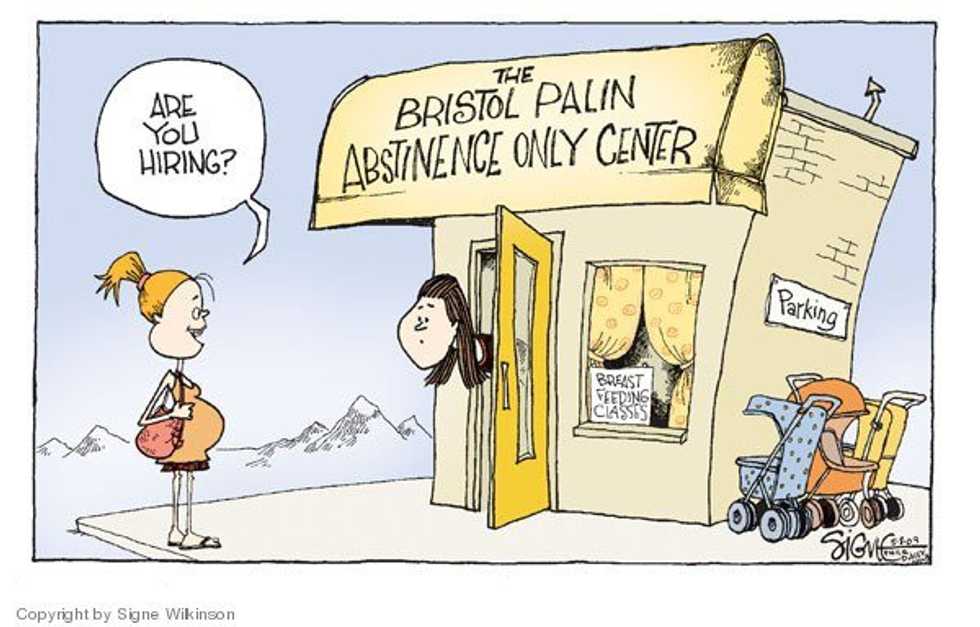
Ah, sex ed. No one is nostalgic for the days of diagrams of certain body parts, the piercing air of awkwardness or a middle-aged teacher teaching you, well, nothing. For as uncomfortable of a topic as sex ed may be, the benefits of an effective course are indisputable.
There are a large variety of reasons why pro-abstinence teachings are not the best option. Being exposed to accurate sex ed programs normalizes sex, therefore reducing slut shaming. Sex ed teaches teenagers about their bodies and their peers’ bodies, diminishing confusion about not only the developmental changes they are facing, but also those of the opposite gender.
With less confusion comes a better understanding of students’ bodies and gives them a better idea of when they will truly feel ready to have sex. A recent study shows that more teens receive formal sex education on “how to say no to sex” (87 percent of teen women and 81 percent of teen men) than on effective contraception methods (70 percent of teen women and 62 percent of teen men).
Teens enrolled in these programs were not found to delay initiating sex, to have fewer sexual partners, or to abstain entirely from sex. Additionally, a study by the American Journal of Public Health showed that US teen’s improved contraceptive use was responsible for 86 percent of the decline in adolescent pregnancy rate between 1995 and 2002, not abstinence-only programs.
Students who took sex ed classes in which they actually learned have lower rates of pregnancy. In a report by Planned Parenthood, studies found that realistic sex education programs “encourage students to postpone sex until they are older, and promote safer-sex practices among those who choose to be sexually active have been proven effective at delaying intercourse and increasing use of contraception among sexually active youth.”
Contrary to the belief of some, these classes do not push teenagers into sexual activity or towards an increased number of sexual partners. Unfortunately, only 11 states and DC require these programs and that they include contraception information.
Mississippi, Texas and Louisiana all rank in the top four for the highest rates of teen pregnancies with percentages ranging from 76 of 1,000 to 69 of 1,000. In these three states, not only is sex ed not required, but they also do not require HIV education and medically accurate information, and must provide information on abstinence, not contraception. Shockingly enough, Jackson, Mississippi, New Orleans, Louisiana, and Baton Rogue, Louisiana are three of the four most HIV infected cities in the country.
But what do the impacted teens think? In surveying 100 young adults ages 18-26, I found a wide variety of answers. 45 percent of those who answered had sex ed classes in both high school and middle school, 13 percent had neither, and the remainder had exposure in one school. Of those who had exposure to sex ed classes, 58 percent said that they felt the classes were informative, while 42 percent said that they did not provide adequate information. When asked about the courses, an overwhelming majority of 83 percent stated that they are important and need improvement.
Informative, accurate sex ed leads to increased confidence, less confusion about consent, fewer sexually transmitted diseases and lower rates of teen pregnancies. These programs debunk myths about sex, and how the amount of sex someone supposedly affects their worth. Whether you have or haven’t had it, knowing about safe, consensual sex is indisputably important.