

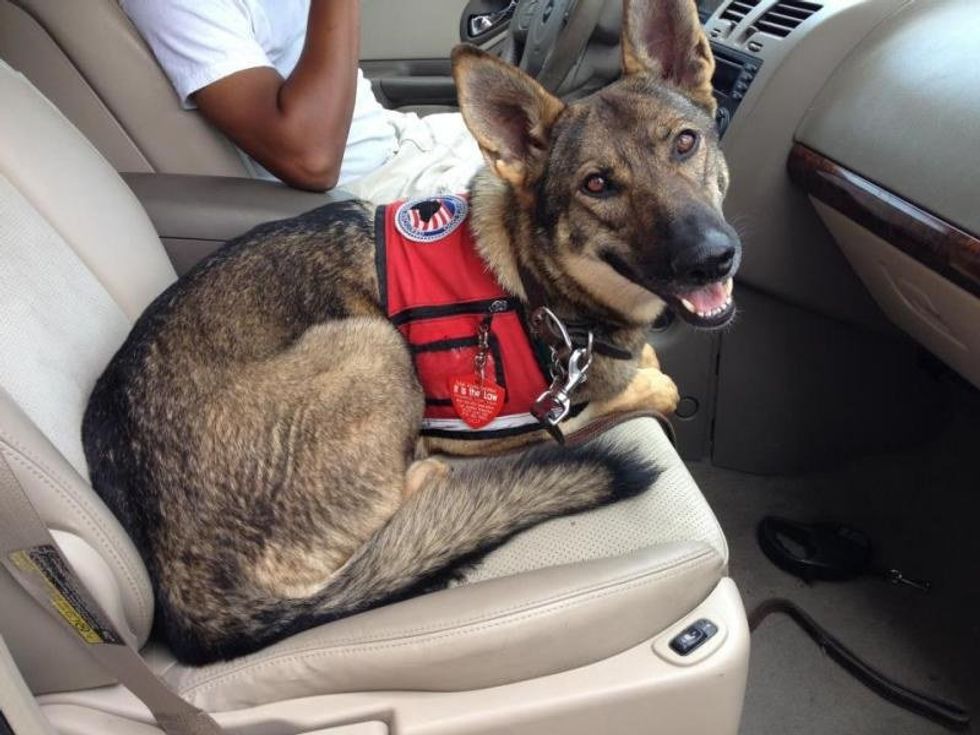
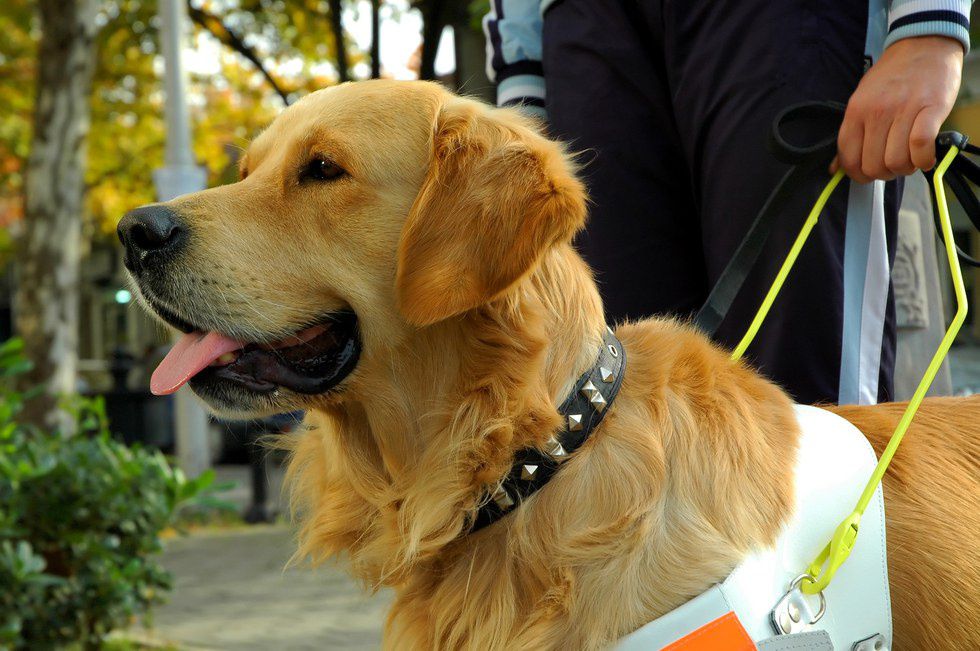
Dogs are no longer just man's best friend, for some people they represent their sanity. More and more dog owners are registering their dogs as service dogs and emotional support dogs. But what exactly is an emotional support dog? How do dogs help humans? Why are they the right animals for the task? All are very valid questions.
A complete outline can be found at the US Dog Registry website , but in short, an Emotional support animal (ESA) is a companion animal that a medical professional has determined provides benefit for an individual with a disability. Animals registered may gain entrance to almost anywhere their owners are granted entrance.

Dogs have been around since the dawn of time, first domesticated by the hunter-gatherers and later on in early developing European countries. They have been loyal companions, attentive watch dogs, cozy lap dogs, and even show dogs. The fact that dogs are so easily accessible and identifiable with the public makes them perfect candidates to help with PTSD and anxiety disorders. Dogs promote touch and unconditional love. For example, a lot of PTSD patients report that petting a dog is therapeutic for them and makes them feel calmer at the thought of caring for another living thing. When you're caring for another living creature you achieve a sense of pride for your care.

We often times forget the happiness we get from seeing our pets, but dogs won't ever forget the happiness we bring them. Scientifically it's been proven that dogs' brains release the same chemicals when they see their owners, that human brains release when they are in love (oxytocin). Dogs have such a fierce sense of loyalty and a genuine love for their owners/families and its that type of unconditional love that ease people with PTSD and anxiety disorders. Having a dog also teaches responsibility and empathy. Dog owners must remember to fit their dogs' needs along with theirs during hectic daily routines and must keep their well being and happiness in mind at all times.

Dogs provide endless laughter. The bond between a dog and their owner varies from case to case but one thing remains constant. Their innocence and silly ways always have a way of creating such light-hearted humor out of any situation. Whether it's a funny face they made or a funny meme on Facebook, dogs brighten the darkest of days. Isolation and feelings of seclusion/paranoia are some common symptoms of various anxiety disorders that having a service dog effects. When people suffering from paranoia don't want to feel judged or misunderstood can't confide in people, they often go to their pets. The reassurance that you are being listened to and won't be judged, for some people is the difference between a good day and an anxiety attack.
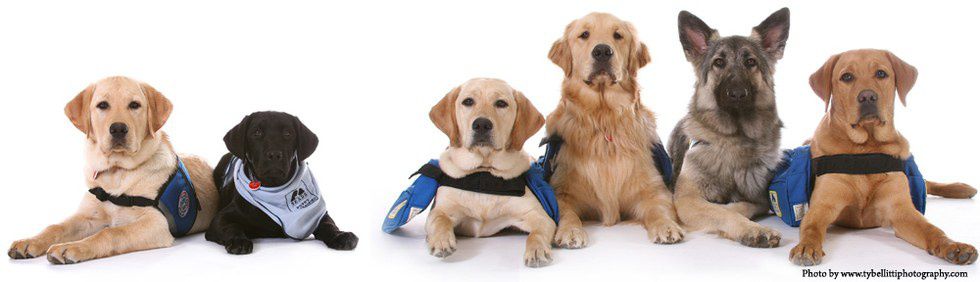
Registering a dog is fairly easy nowadays and can be approached a couple of different ways. The one common denominator for all is that the dog must be registered to someone with an emotional or psychological disorder. The most popular and convenient way is to do it online, one website is https://www.nsarco.com/emotional-support-animal.ht... . The steps are listed on the home page, and the navigation is fairly easy.