A typical day in the life of a service dog handler is much different than what we were dealing with before meeting our four-legged life savior.
People with anxiety and depression disorders don't leave their house for days, or even months, at a time. They shelter themselves and it is impossible to be around people without feeling overwhelmed or being scared of going into a dissociative state.
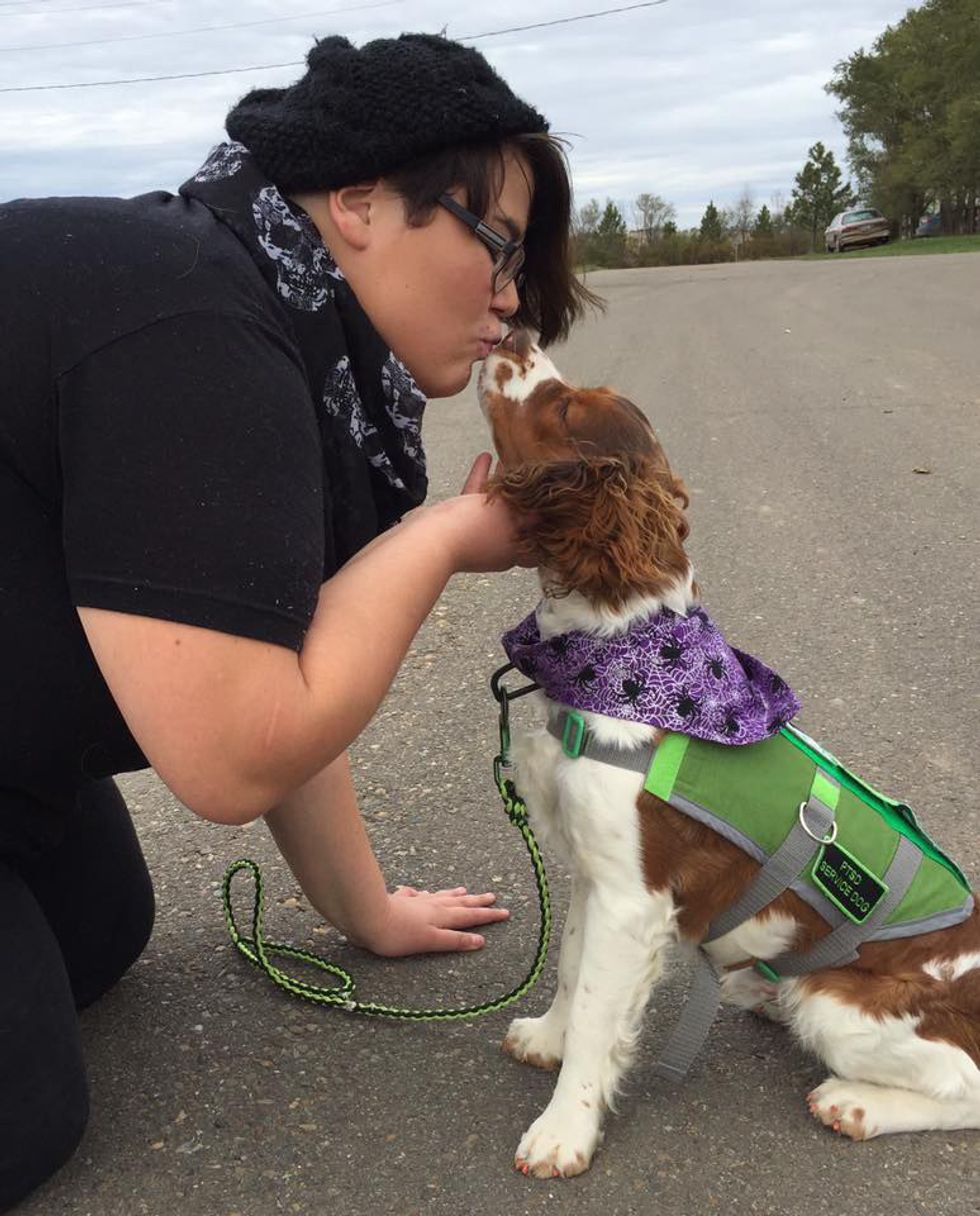 "My mom doesn't have to be scared about me disassociating in a store and somebody taking advantage of me."
Being out in public with an anxiety/depression disorder means being overly cautious, constantly checking your surroundings and that uncomfortable "I really just want to get out of here" feeling.
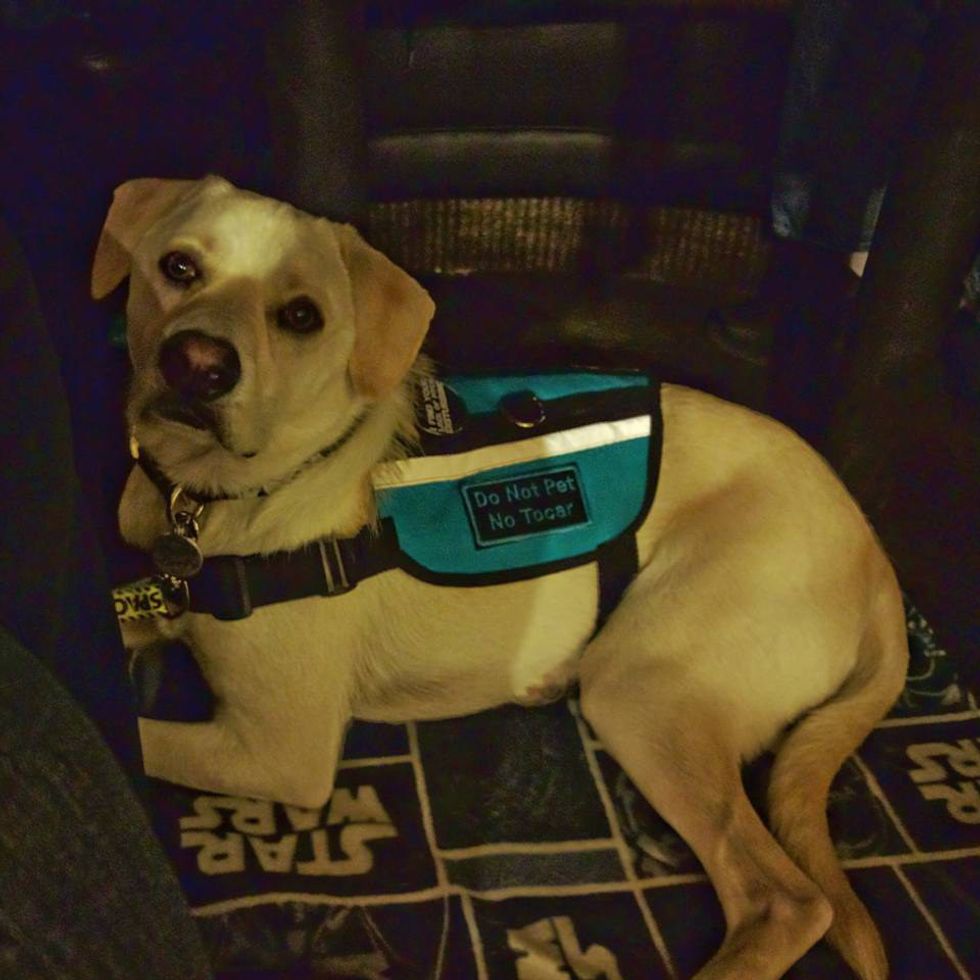 "My quality of life was minimal and I didn't leave my safe zone for seven months."
Our dogs give us the freedom and independence that we could have never developed ourselves without them. My service dog gives me the confidence to go into grocery stores, somewhere I would sit in the car and wait for my wife to go grocery shopping. He assures me that the house is safe and empty before I enter. He gave me the opportunity to go to school full-time instead of only taking one class online each semester.
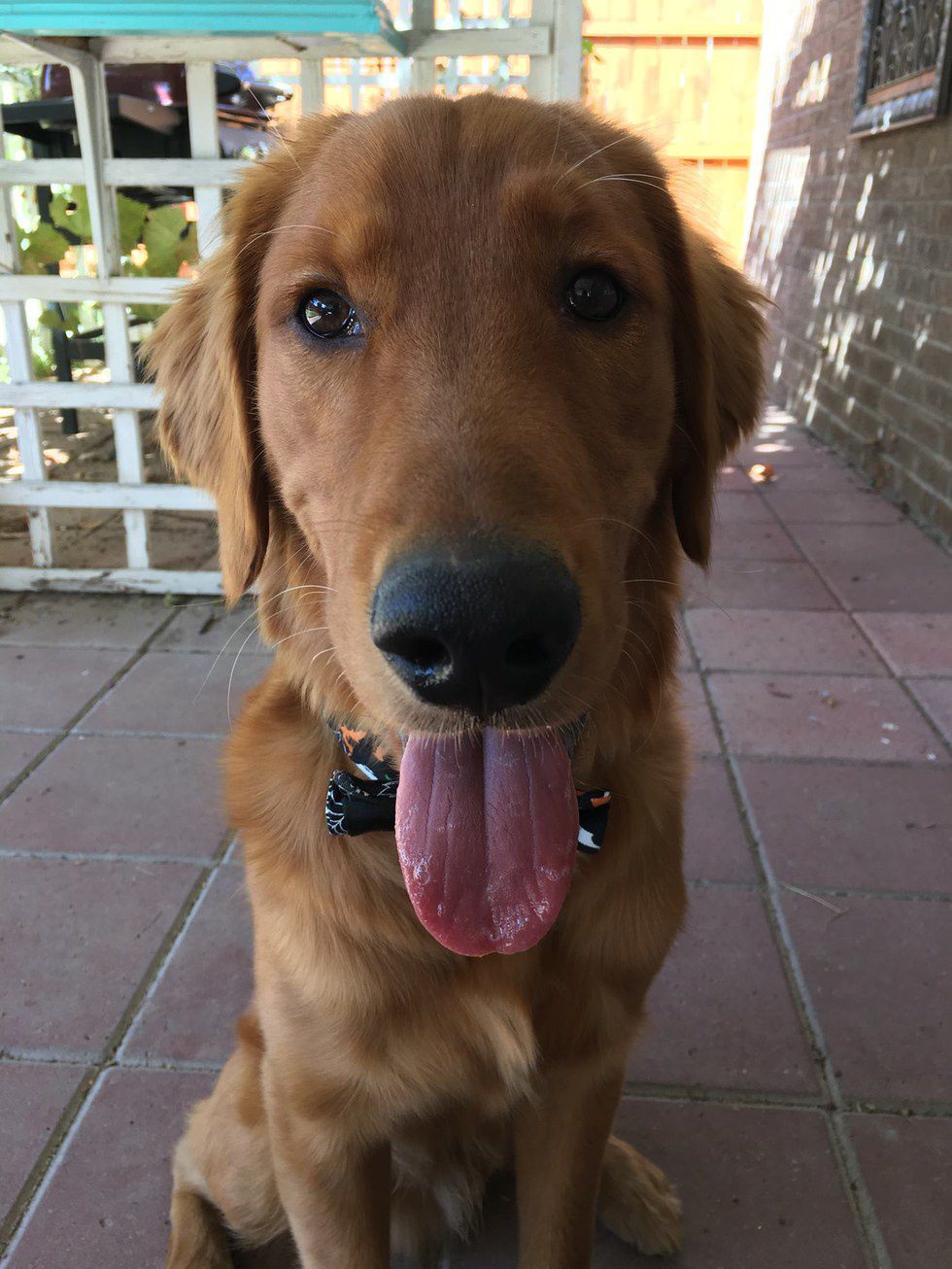 "He has given me back a sense of security and freedom that I thought I'd never have again. I was able to go back to college this semester."
But these incredible dogs don't only help with anxiety/depression, but many other disabilities as well. Some people's sugar may drop or they're about to have a seizure and don't even know but thanks to the astounding sniffers on these dogs, they know before our bodies start showing the physical symptoms.
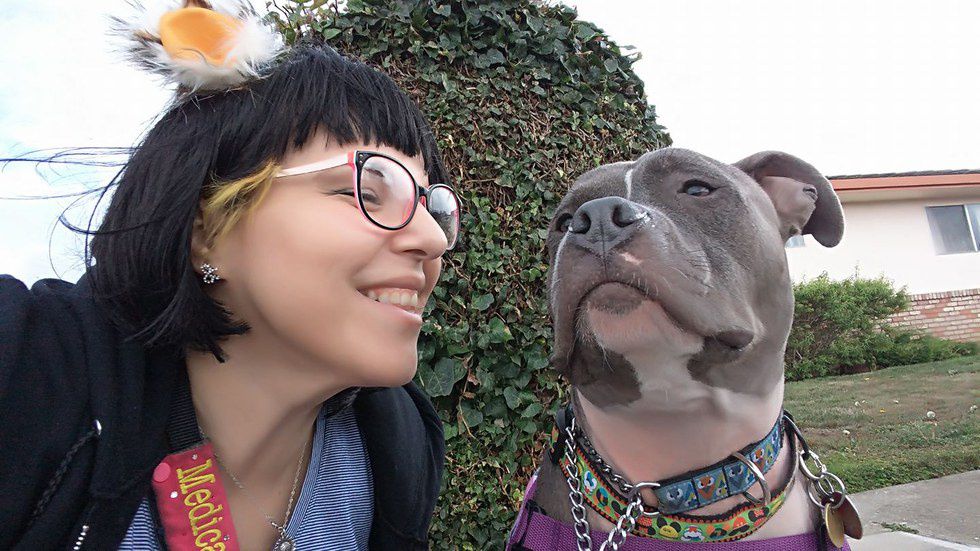 "My body doesn't tell my when my sugar drops dangerously low, he does."
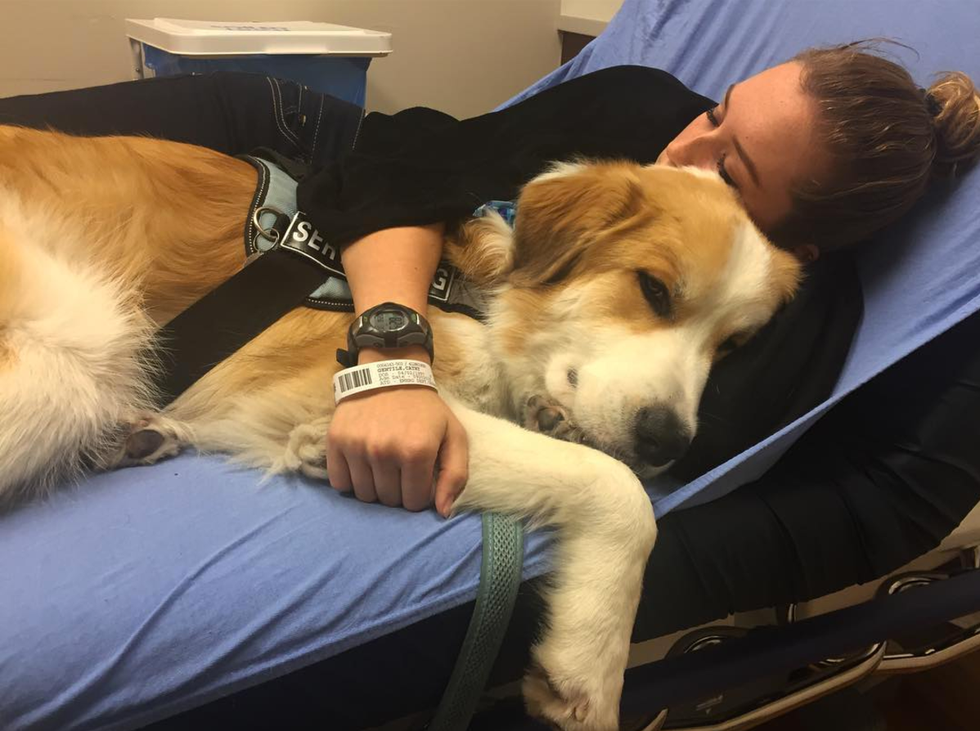
It is great help for our dogs to be able to identify an issue with our body before the symptoms start because it saves us an immense amount of pain, fatigue, sickness and danger. For example: someone with POTS (postural orthostatic tachycardia syndrome) may pass out often which causes injuries from face-planting or falling the wrong way. Service dogs can even identify syncope before it happens, get their handler to sit down. By doing this, the dog has not only prevented the symptoms from getting worse, but also saved the handler from any injuries.
 "She gives me the freedom and courage to take walks by myself. I wouldn't go on walks by myself for fear I'd pass out or worse. So I have a reason to get outside now and get out of bed."
Some handlers, before making the decision to own a service dog, lost all hope and did not expect to ever be independent again. Little did they know, these furry friends would change their lives.
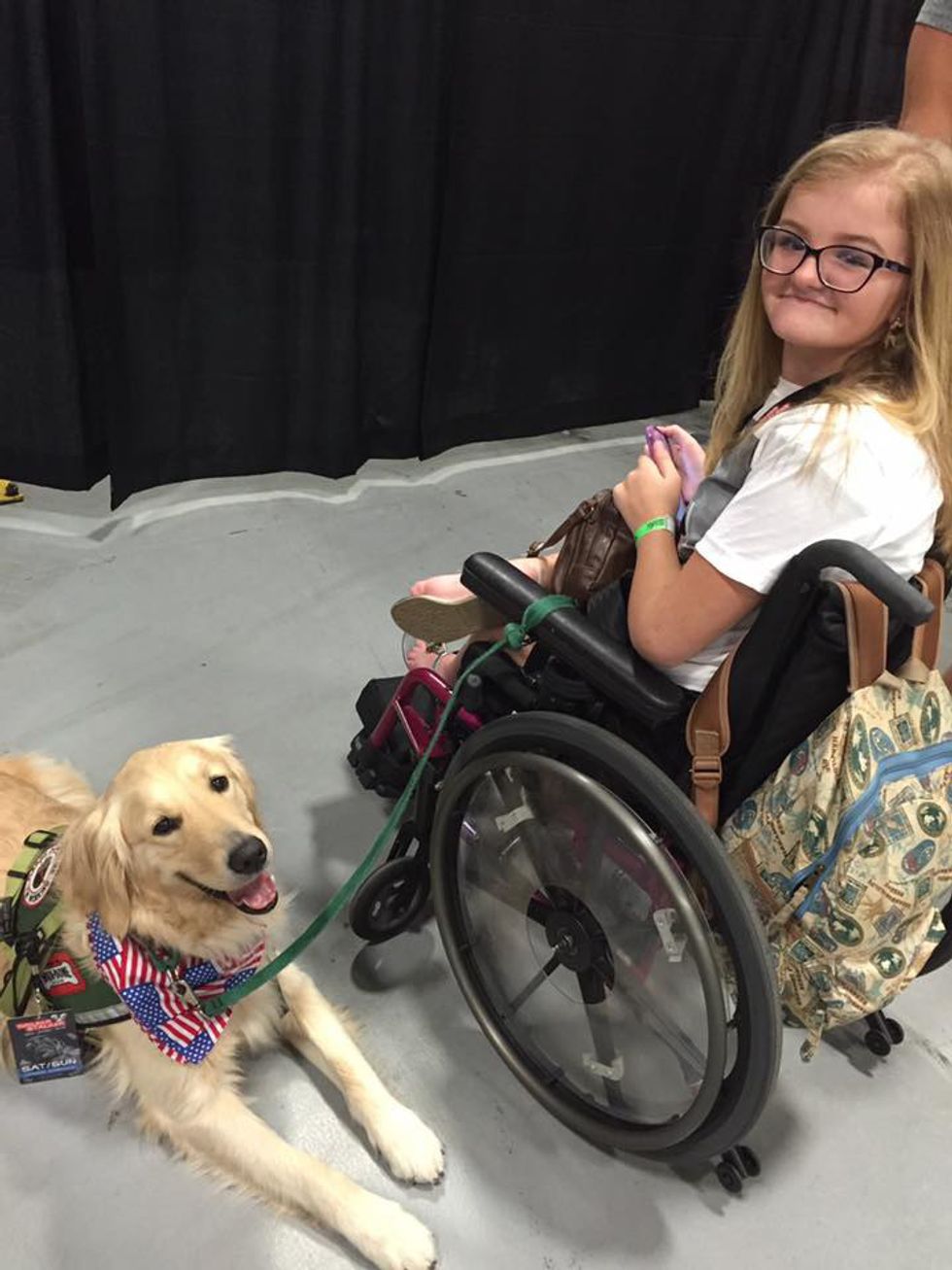 "I didn't expect that I'd be able to be able to get inside my house without needing to be carried, nor did I expect to be able to get in and out of the car by myself without being lifted by a parent."
Something that changed our lives most after becoming a service dog handler is being the focus of everyone, everywhere. People are constantly staring at our dogs and asking questions. You can look at this in a negative and positive way: negative- it is sometimes frustrating to eat without people taking photos of us stuffing our faces, positive- we meet many interesting people with stories from all over the world. People come up to me with all different accents, stories, questions and concerns.
 "I'm not sociable. I never liked to talk to strangers and I would have panic attacks every time I had to check out at the store. Lucy has given me the courage to talk to people and open up because she is usually the subject."
As someone with PTSD, GAD (generalized anxiety disorder) and depression, it is often difficult to hold a conversation. However, when the conversation is influenced by our dog, we hear stories about other people's dogs and see the joy in their eyes when they talk about it. We have to remember that all dogs are special to their owners, just as special as our service dogs are to us even though they don't have to depend on their dogs for medical issues.
On the other hand, I do not enjoy hearing stories about deceased dogs, although I can tell the owner is just looking for someone who can relate because I care/love my dog just as much as they did.
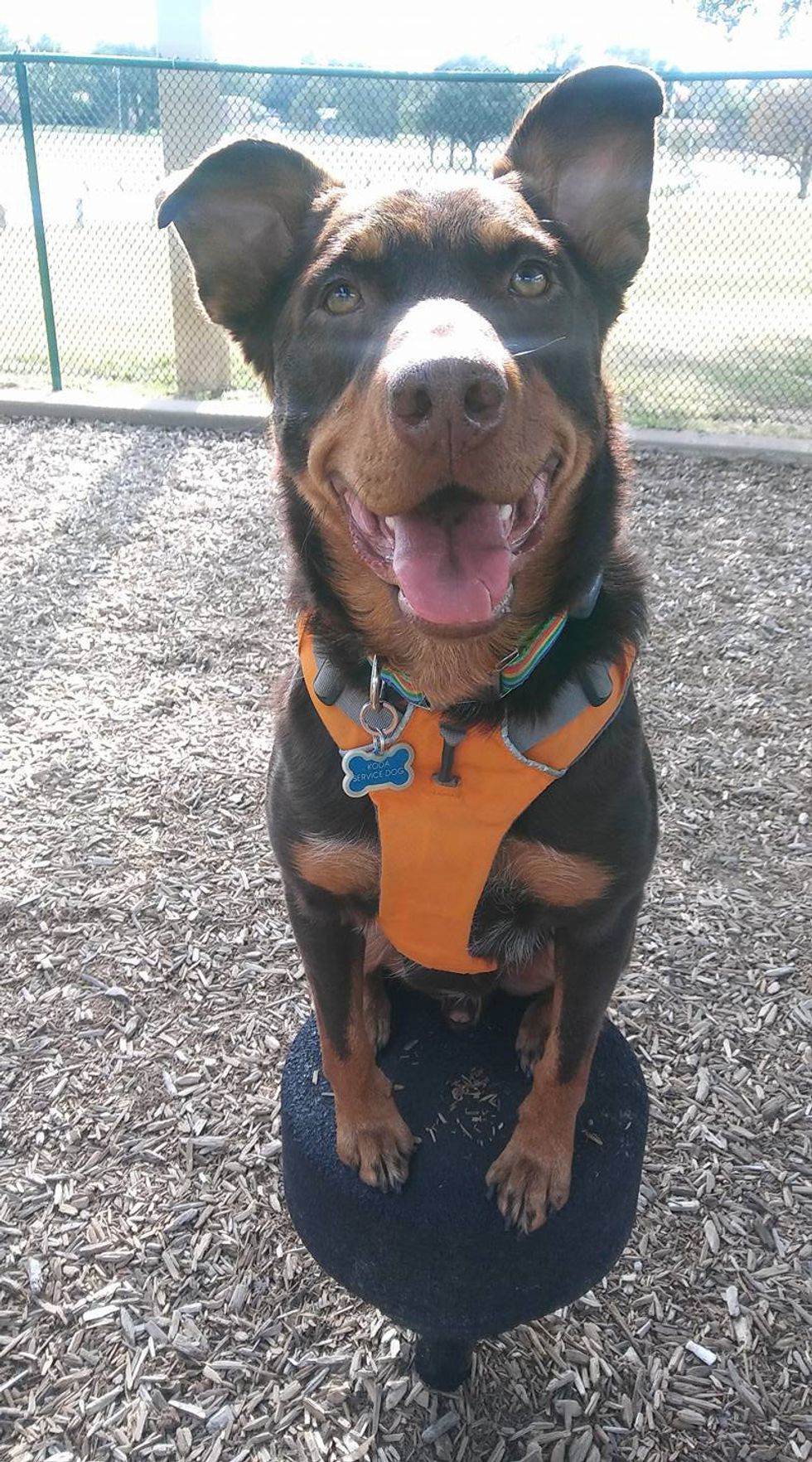 "He seems to have a way with people that I don't and when politely approached, it's amazing to hear some people's stories and triumphs."
The humans around us, family and friends, may try their best to understand our disabilities and to sympathize/empathize. Although we appreciate their efforts, there is no one who understands us more than our dogs, as they can literally feel our emotions and smell chemical changes within the body.
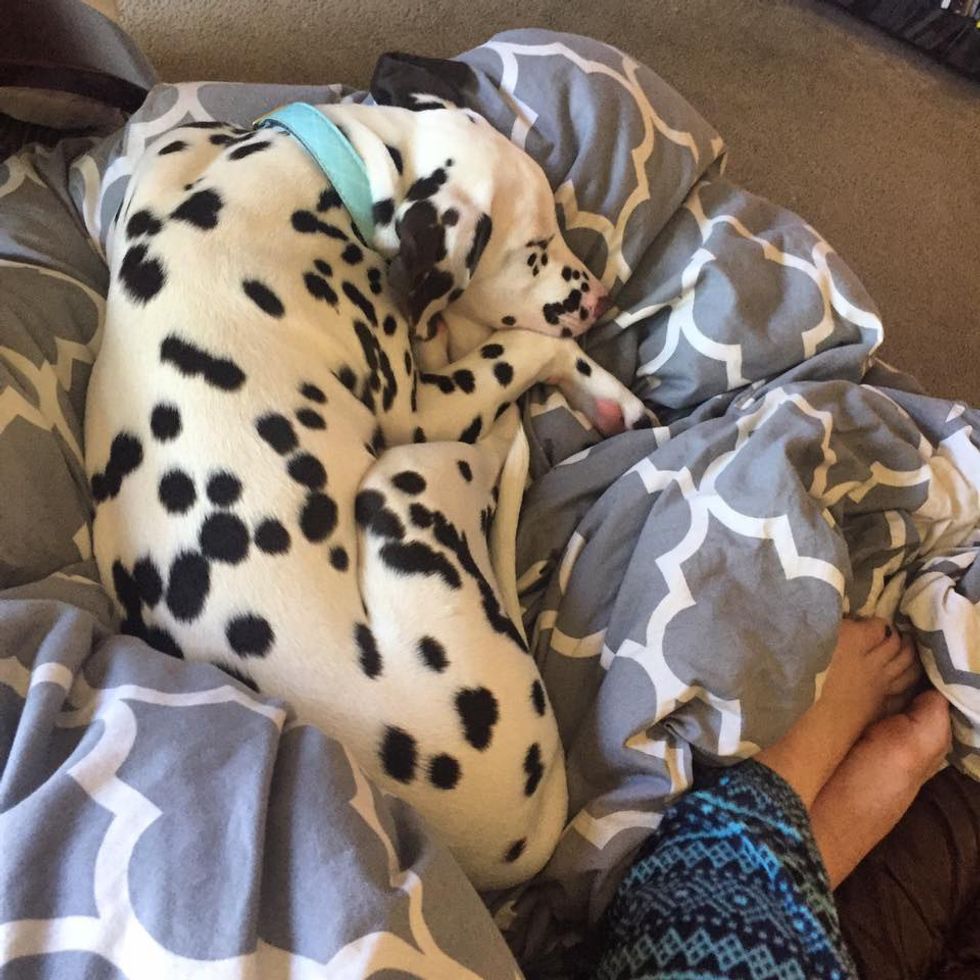 "My husband tries his best, but it's not the same."
Overall, owning a service dog has changed my life and lead me in a direction I never thought I would go; all because I have the help and reassurance from my furry medical equipment.