

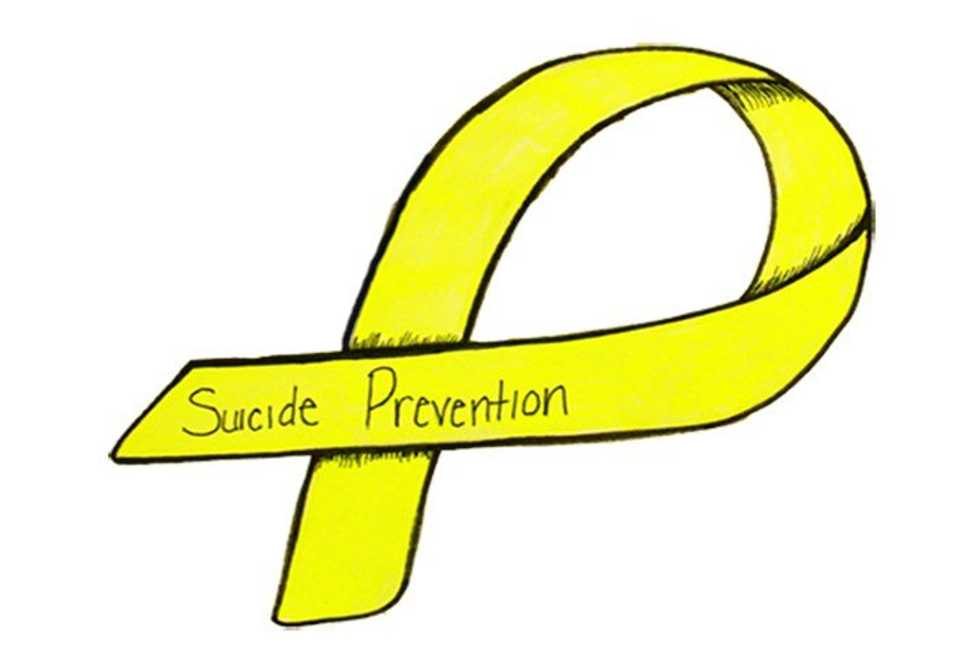
Suicide is a word that makes people uncomfortable. Nobody wants to talk about it because it has become such a taboo word, and people do not know who they might offend or who around them may have been affected personally by suicide. Such a stigmatism has been created concerning the topic because it is so hard for many people to understand, and we will not begin to understand it until we learn about it and start a conversation.
According to the World Health Organization, over 800,000 people commit suicide every year, and for young people aged 15-29, suicide is the second largest reason for death. Also, for every one person that takes their own life, 20 other people are affected. This means that it is even more critical that we talk about it and spread the word that this is a huge issue. Chances are you know someone that has been personally affected, and that person needs your support.
This is why September has become National Suicide Prevention Month with September 10th being World Suicide Prevention Day. Every year the goal of spreading awareness is to show people that suicide is preventable, to better the education surrounding suicide, to circulate more information about awareness, and to change the way we view suicide in general.
There are so many different aspects of suicide, but I am going to focus on one: mental illness. One of the attitudes in our society we need to change is that mental illness is something to be afraid of or to shy away from because of the way people view it. There are signs that you can look for in other people and even in yourself, and there are resources you can turn to once you have detected those signs. This is something that our society needs to stop shaming and belittling because mental illness is a real thing, and according to the University of Washington School of Social Work, about 90 percent of the people who commit suicide have a mental disorder, such as depression or schizophrenia, that could have been diagnosed. This means that either they didn't want to get help or the people around them didn't recognize that they needed it.
This month is all about throwing those negative ideas out of the window and making an effort to notice the people around us. Just because you may not know someone who has committed suicide does not mean you shouldn't be informed. There are websites and hotlines available that offer counseling and educational resources. The National Alliance on Mental Illness believes that "one conversation can change a life" and offers a variety of resources at https://www.nami.org/suicideawarenessmonth/hp. If you or a loved one needs help do not hesitate to use these resources to receive it.