

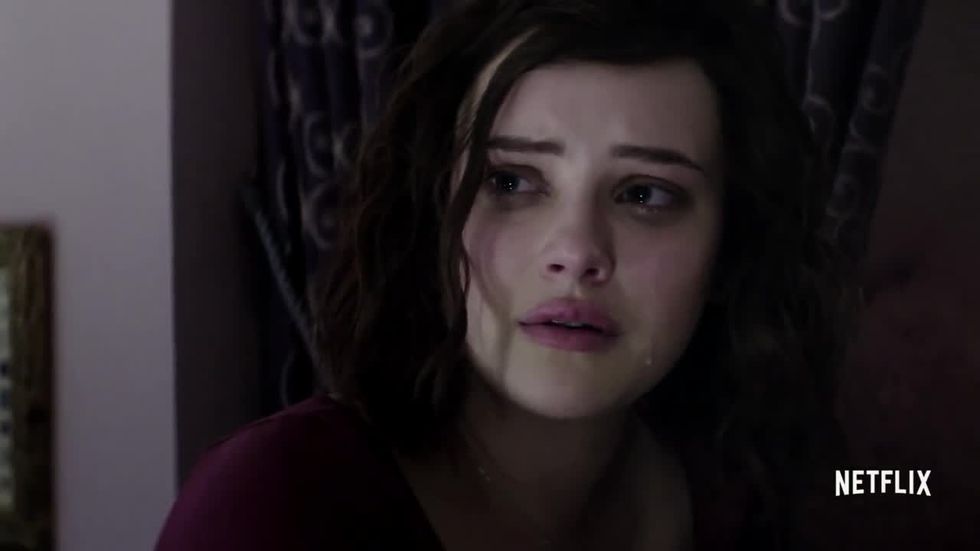
The new Netflix original show “13 Reasons Why” has taken the internet by storm. The highly anticipated series was adapted from the 2007 novel written by Jay Asher. The story of Hannah Baker and her tapes relaying the circumstances around the people she felt triggered her suicide has everyone discussing the implications of the show, and how well it was handled. Whether or not you think the show was beneficial or harmful in the way it depicted suicide and mental health, the show’s immense popularity has resulted in a series of slightly disturbing memes.

Every episode is focused on a different side of a tape that focuses on a different person that affected Hannah. And these episodes make it clear which person the tape is referring to when narrator Hannah says “welcome to your tape,” typically when the negative actions of the character become obvious. From here, various people across the internet have twisted the phrase to a joke about anything they disagree with.
While the popularization of a show that talks about suicide can be a great moment to point out the resources that someone in a similar situation can access, many on social media have chosen to turn it into a meme for the sake of retweets or favorites. I’m not going to comment on how well it handles the discussion of mental health and suicidal thoughts. But regardless of the help or harm the show has done, the memes make light of a serious situation that should never be joked about.
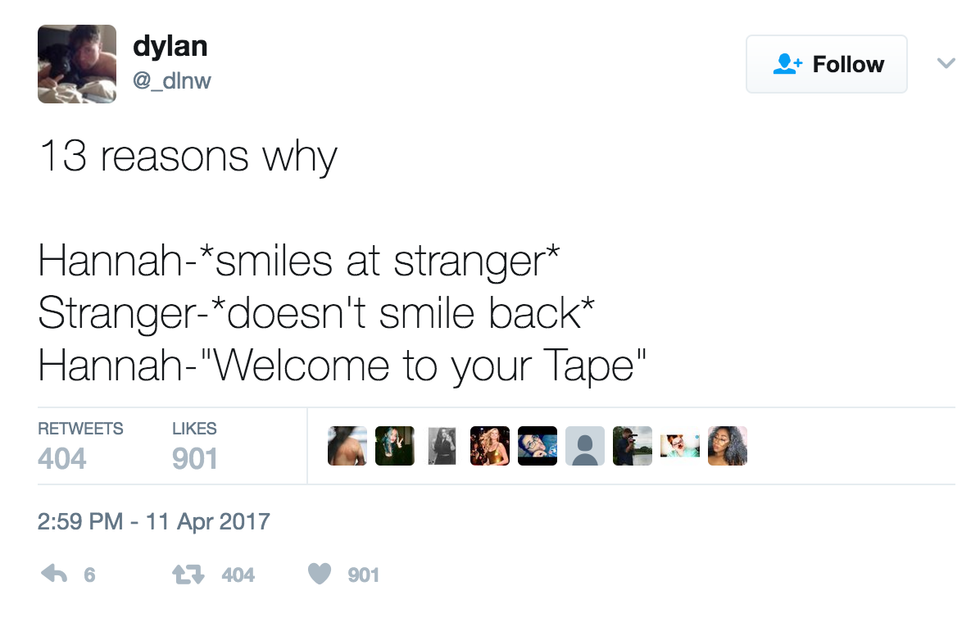
You can tell me that it’s our way or desensitizing ourselves to the terrible things that are very, very real in our world, or that it’s just a meme and that I shouldn’t be so butthurt about it. You can even point out that Hannah’s decision to dedicate a tape to certain people encourages the idea that suicide is always someone else’s fault. But at the end of the day, it’s still a joke about suicide, and that’s a bigger problem than we’re seeing. Normalizing jokes about suicide doesn’t help anyone who is depressed or has considered harming themselves and only encourages the stigma around mental illness. We shouldn’t be making light of the situation, we should be using this moment of exposure for depression to encourage those who need it to seek help. Share the number for the Suicide Prevention Lifeline and other resources for those in need; encourage friends who are struggling with their mental health to seek guidance from a counselor or a therapist; and normalize the discussion of positive mental health — not the negative stigmas already surrounding it.
Think about it: Are some retweets on Twitter or likes on a Facebook post really worth that much?
For anyone reading this who feels depressed or who has considered committing suicide, call any of the numbers below and seek help. You are more loved than you think you are. If you need a friend to talk to, reach out to any of your friends, your family or even me — because there is always someone that will be there for you, and you are never alone.
National Suicide Prevention Lifeline: 1-800-273-8255
Teen Line: 1-310-855-4673
National Suicide Prevention Lifeline: 1-800-273-8255
National Suicide Prevention Online Chat
The LGBT National Health Center: 1-(888-843-4564)