
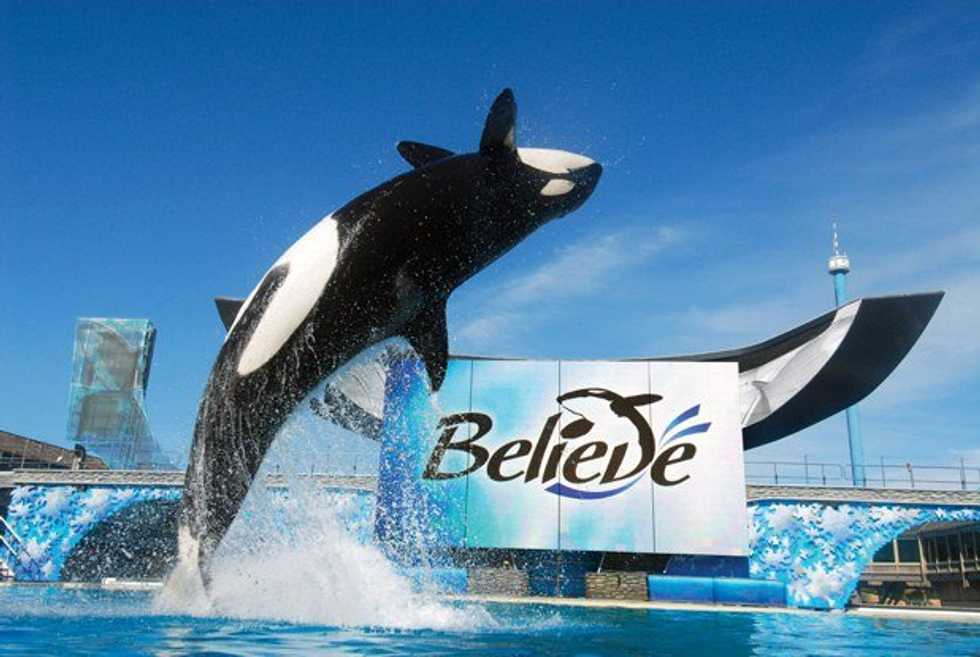
For decades, SeaWorld has been the place known for its exhibition of marine creatures and mammals. It was a place most of us enjoyed visiting as children in hopes of getting splashed in the audience by the mysterious, yet beautiful, "killer" whales. However, this depiction of the SeaWorld theme parks has plummeted quite impressively over the past couple of years following the release of Gabriela Cowperthwaite's 2013 documentary, "Blackfish."
Blackfish follows the story of a male Orca, named Tilikum, who was responsible for the deaths of three people. The documentary includes testimonies/interviews with former trainers who once worked with the whales, as well as hidden footage that shows the daunting reality of keeping wild mammals in captivity.
Following CNN's release of the documentary, the news spread like wildfire, raising speculation across the nation. Activists have caused an uproar following the revelation of the alleged mistreatment of the whales, fighting for the release of these mammals from the tanks and into sea pens where they can live out the rest of their lives.
The "Blackfish Effect," as named by critics, has had detrimental effects on SeaWorld Entertainment. Other than a drastic drop in attendance and revenue, partnerships with other companies such as Southwest Airlines, Hyundai, Virgin America, and STA Travel have also been discontinued.
SeaWorld has tried desperately to recuperate from these losses by coming up with a few ideas. The California Coastal Commission recently approved SeaWorld's proposal to expand their whale tanks in the San Diego park from 1.7 million gallons to 5.2 million gallons which will house its 11 orcas alongside a 450,000 gallon pool. However, along with this approval, comes a ban on breeding the captive orcas as well as a ban on the capturing, selling, and trading of orca whales. (Source: LA Times)
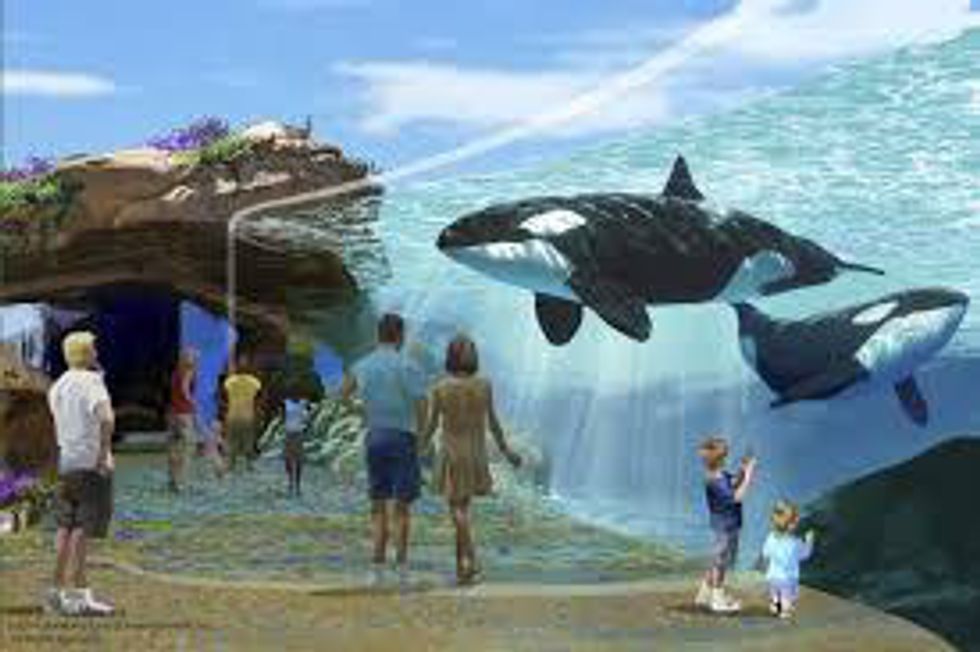
The purpose of this imposition is to have the remaining 11 orcas be the last ones. SeaWorld dubs this act as "overreaching" and plans on suing the California Coastal Commission on behalf of this decision.
By the end of 2016, SeaWorld San Diego has also announced the end of its famous theatrical whale shows. In efforts of revamping the brand, SeaWorld is attempting to lean towards the conservation aspect of the whales.
Despite this intriguing attempt, audiences are still skeptical about this decision. Many questions have been raised since the announcement. What about the rest of SeaWorld's parks? Changes are only being made at the San Diego location, leaving behind the San Antonio and Orlando parks which are just as famous and just as important.
Although the "theatrical" aspects of the show will no longer be used, the whales are still expected to reside in their tanks despite the expansion, which will never be enough considering these mammals naturally travel for miles in a day, leaving them swimming around a larger pool all day long.
If SeaWorld Entertainment was serious about really changing the direction of the company, they would make stronger efforts towards universally reorganizing all of their parks. Also, the fact that they are suing the California Coastal Commission for placing the ban shines a negative light on SeaWorld Entertainment, making it seem as if all of these recent proposals are just a cover-up in order to help keep their brand alive and prosperous.