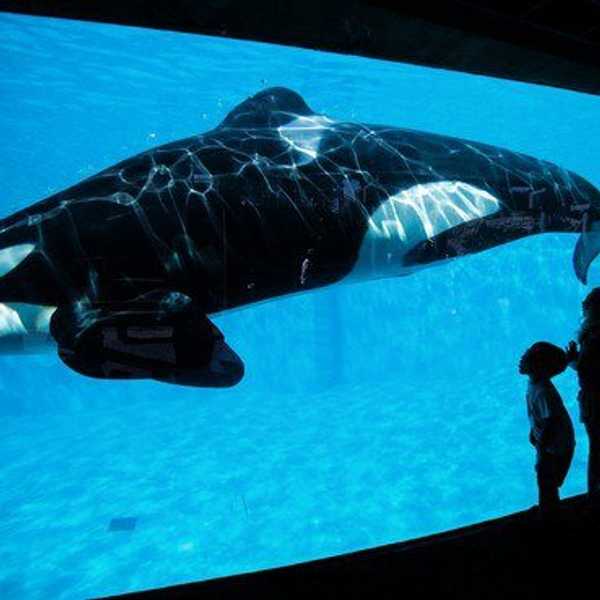
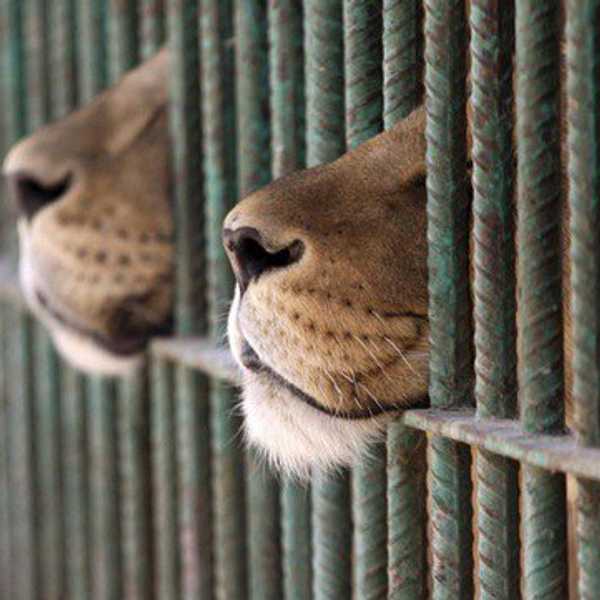
Calling all animal lovers (or any sane people)! This is big news that SeaWorld has decided to put a stop to their breeding of orcas. "The company said the 24 orcas it currently has in three parks would be SeaWorld's last generation, a long-awaited move following intense criticism from animal-rights campaigners over keeping the whales in captivity." Joel Manby, president and CEO of SeaWorld, wrote in an op-ed article in the Los Angeles Times that its existing whales would remain in captivity because setting them free in the wild was "not a wise option."
The documentary "Blackfish" from 2013 really seemed to spark people's interests in the well-being of the killer whales at SeaWorld. The theme park was also feeling pressure from authorities. California's Coastal Commission last year approved a $100 million expansion at SeaWorld San Diego but only on the condition that it ended captive breeding at that facility -- a ruling that CEO Manby at the time described as "inhumane."
There are many reasons orcas should not be held captive, including:
Premature Deaths
Orcas in the wild have an average life expectancy of 30 to 50 years -- their estimated maximum lifespan is 60 to 70 years for males and 80 to over 100 for females. The average age of death for orcas who have died at SeaWorld is 13 years old.
Violence Created
In the wild, despite centuries of sharing the ocean, there has been only a single reliable report of an orca harming a human being. Because of the stress involved in being deprived of everything that is natural and important to orcas in captivity, orcas have attacked and killed three humans just since 1991 and many others have been injured.
Collapsed Dorsal Fin
All captive adult male orcas have collapsed dorsal fins, likely because they have no space in which to swim freely and are fed an unnatural diet of thawed dead fish. SeaWorld claims that this condition is common -- however, in the wild, it rarely ever happens and is a sign of an injured or unhealthy orca.
Tiny Tanks
SeaWorld confines orcas, who could swim up to 100 miles a day in the wild, to tanks that, to them, are the size of a bathtub. They would need to swim 1,208 laps (around the perimeter of the tank) or 3,105 lengths (back and forth at the longest part of the tank) in the park’s largest tank to equal what they’d swim in the wild.
Diet of Pig & Cow Bones
In captivity, orcas are unable to hunt and obtain water from their prey, so SeaWorld gives them gelatin, a substance that is not natural for them, in an attempt to keep them hydrated. Tilikum, who weighs 12,000 pounds, alone consumes 83 pounds of gelatin every day.
Breaking Their Teeth to Escape
Orcas in captivity gnaw at iron bars and concrete from stress, anxiety, and boredom, sometimes breaking their teeth and resulting in painful dental drilling without anesthesia.
Although this is a huge step towards the greater good of animals, the problem still remaining is that the whales in their care can live for decades.
"The more clearly we can focus our attention on the wonders and realities of the universe about us, the less taste we shall have for destruction." -- Rachel Carson