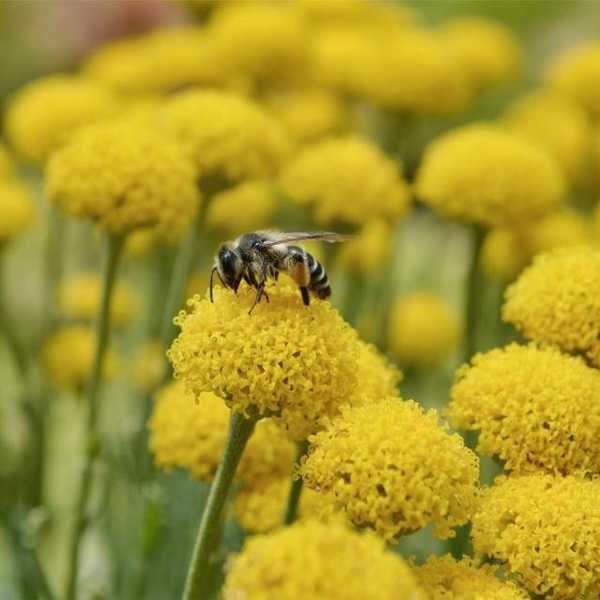
I never thought I would be sitting here writing about something that is arguably one of my biggest fears: bees. But, we are facing a serious problem with a honeybee shortage that could threaten our food sources.
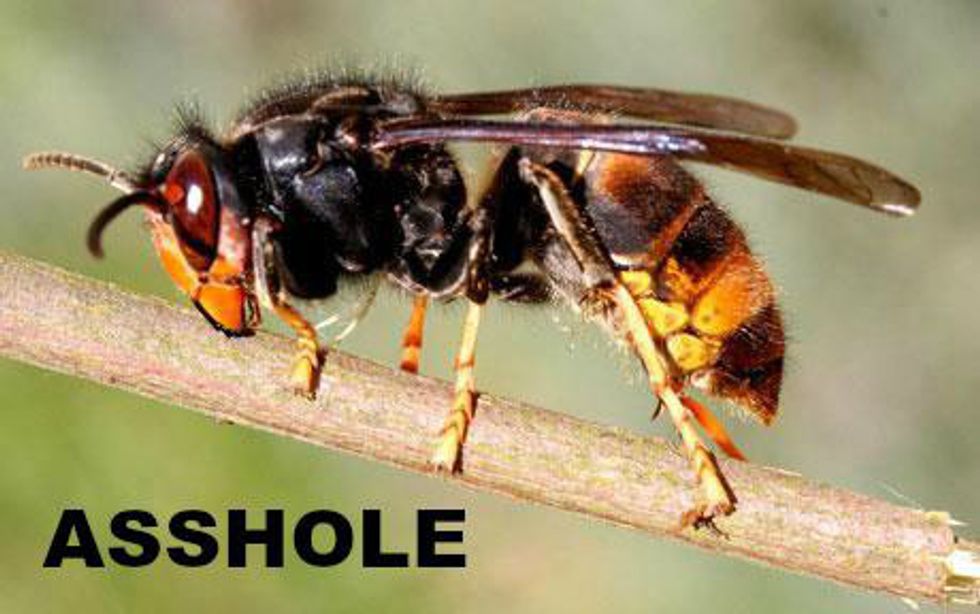
There a many different types of bees, but honeybees are the ones that provide us with our food, since one-third of our food supply is pollinated by honeybees. So, for those of you who cannot tell the difference between the different types of our favorite little friends, let me give you the 101:
WASPS: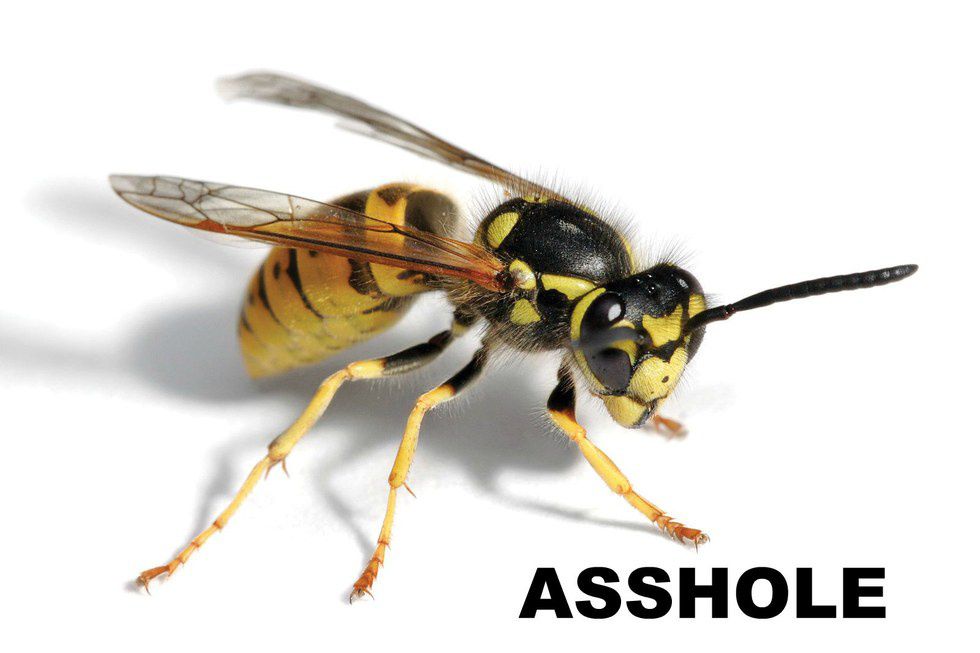
HORNETS:
HONEYBEES:
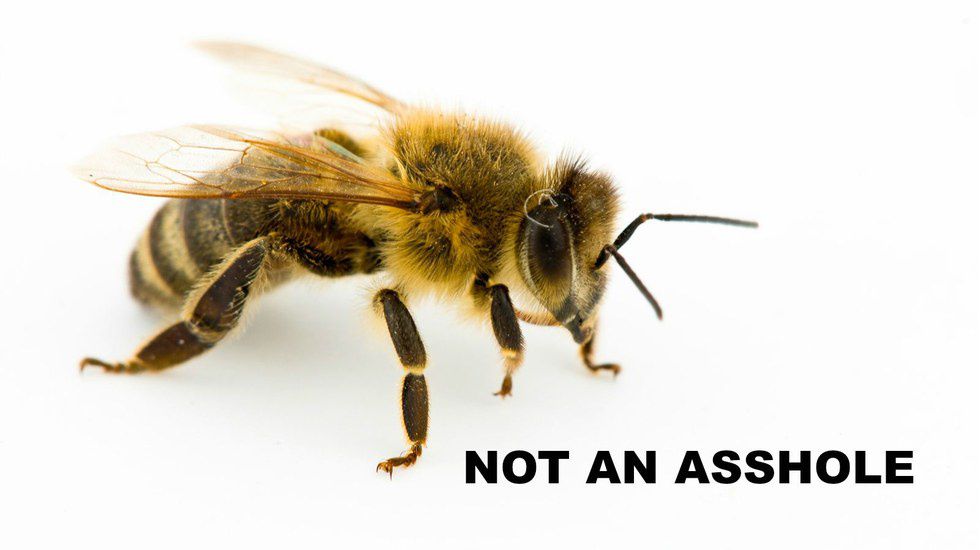
Honeybees are in the non-asshole category because, unlike hornets and wasps, they actually provide us with some sort of use. Wasps and hornets mimic the look of the honeybee, but do nothing but bring us tears and pain. Basically wasps and hornets are the mean girls from high school in the bee world.
The severity of the shortage of honeybees was noticed nationally on a large scale earlier this year in March when, in California, there were almost no bees to pollinate this year's almond crop. If there are no honeybees, we will not get the fresh nuts, veggies and fruits that we rely on to live our daily lives.
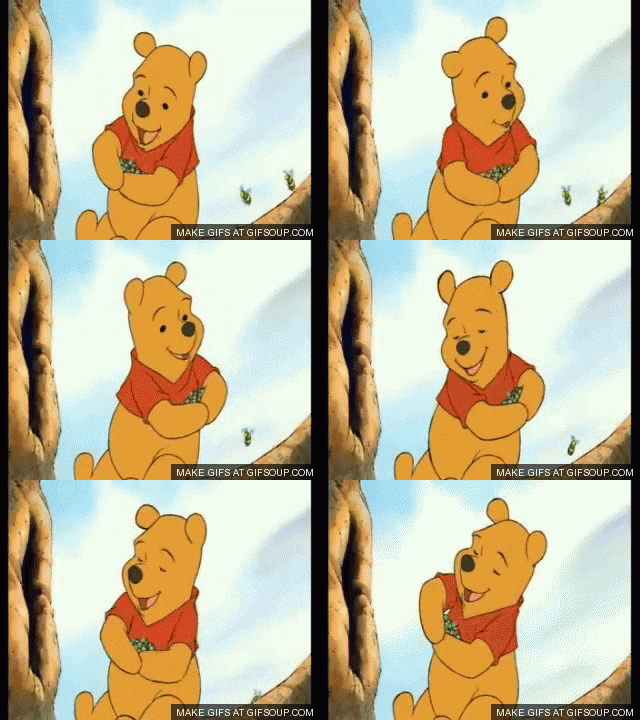
Also, with a shortage of bees comes a shortage of honey. Honey is not just Winnie the Pooh's favorite snack, but it contains important antioxidants and also is used in many products that we use every day (can you imagine life without your Burt's Bees lip balm?).
Why is this happening? To be honest, scientists still are not quite sure. Bees are just simply dying. The deaths of these insects has been linked to a type of pesticide called neonictinoids. However, these are not the only pesticides that may be linked to the shortage. It is said that there are over 121 different types of pesticides that could be living in a beehive. Think of that as living in a city with two times the amount of smog in Los Angeles. Neonictinoids may not be the only chemical to blame; there could be a multitude.
Another reason for the loss of bees is the weather. With the droughts going on throughout the country, crops are dying and not producing the same amount of flowering plants that bees need. In turn, the bees become malnourished which makes them more vulnerable to infections and other diseases that are causing them to die.
So what can we do? The first step that needs to be taken is by reducing the use of harsh pesticides that are obviously affecting the honeybee population. More research needs to be done on these chemicals to see if they have more risk than reward.
The most important thing we all need to realize is: no bees equals no food. We don't realize how important these insects are to our daily lives. Bees are responsible for the pollination of trees, fruits and vegetables. We then eat these products or feed them to livestock which we also eat. There would also be a massive hike in prices on foods that bees pollinate. If there are no honeybees, our entire circle of life could simply collapse. Do Winnie the Pooh a favor, and save the bees.