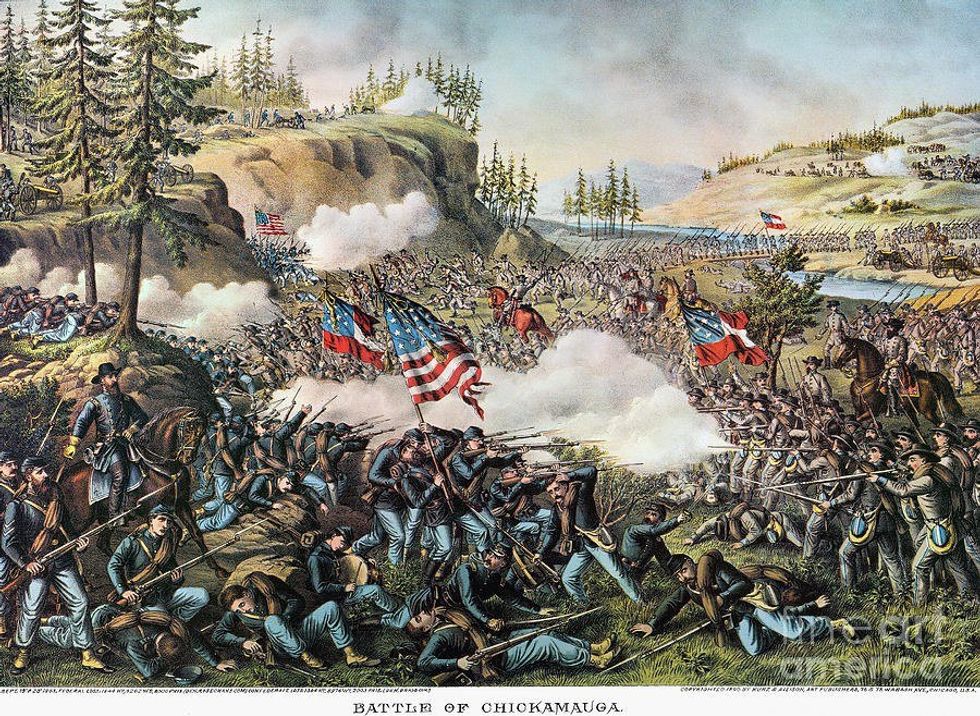
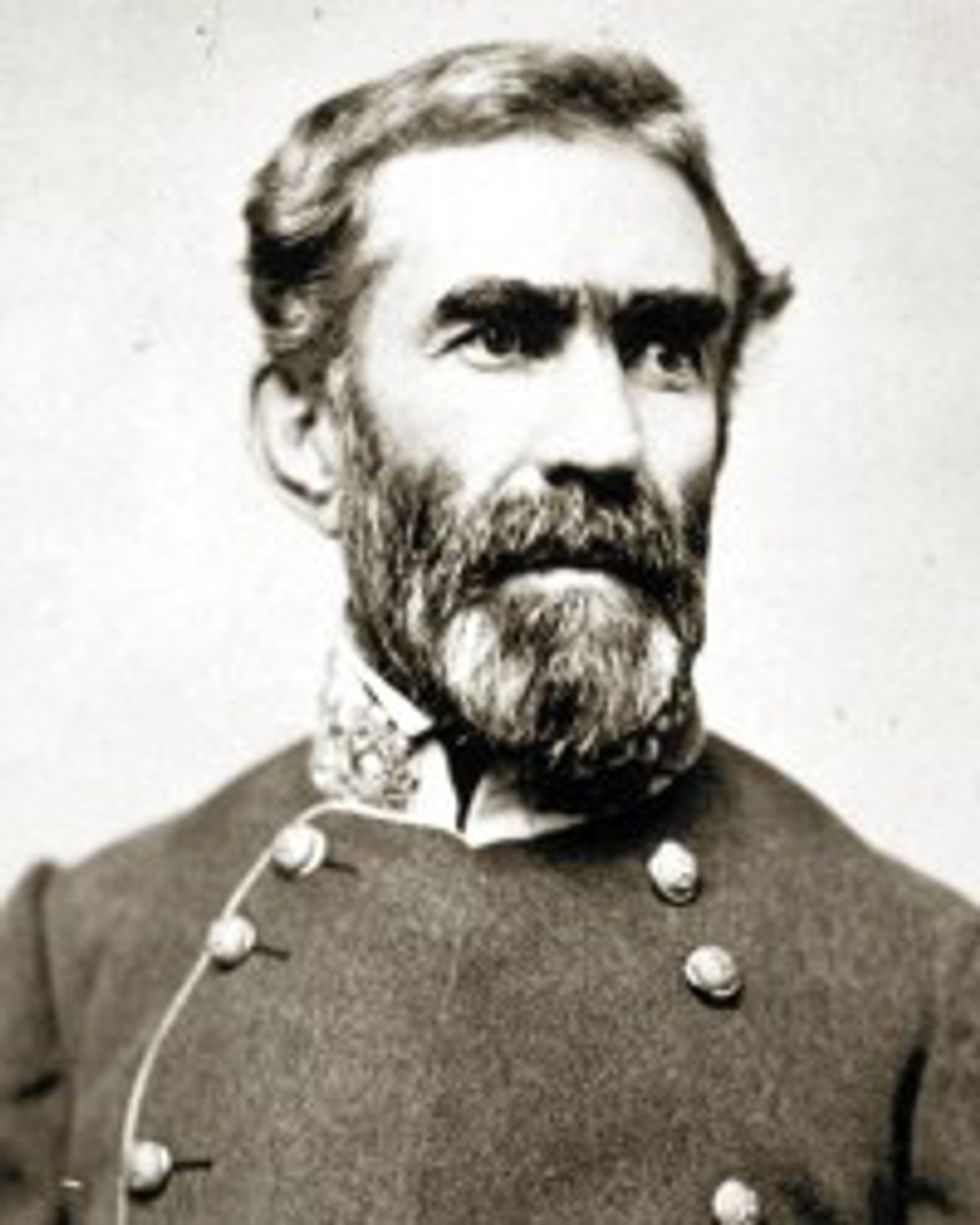
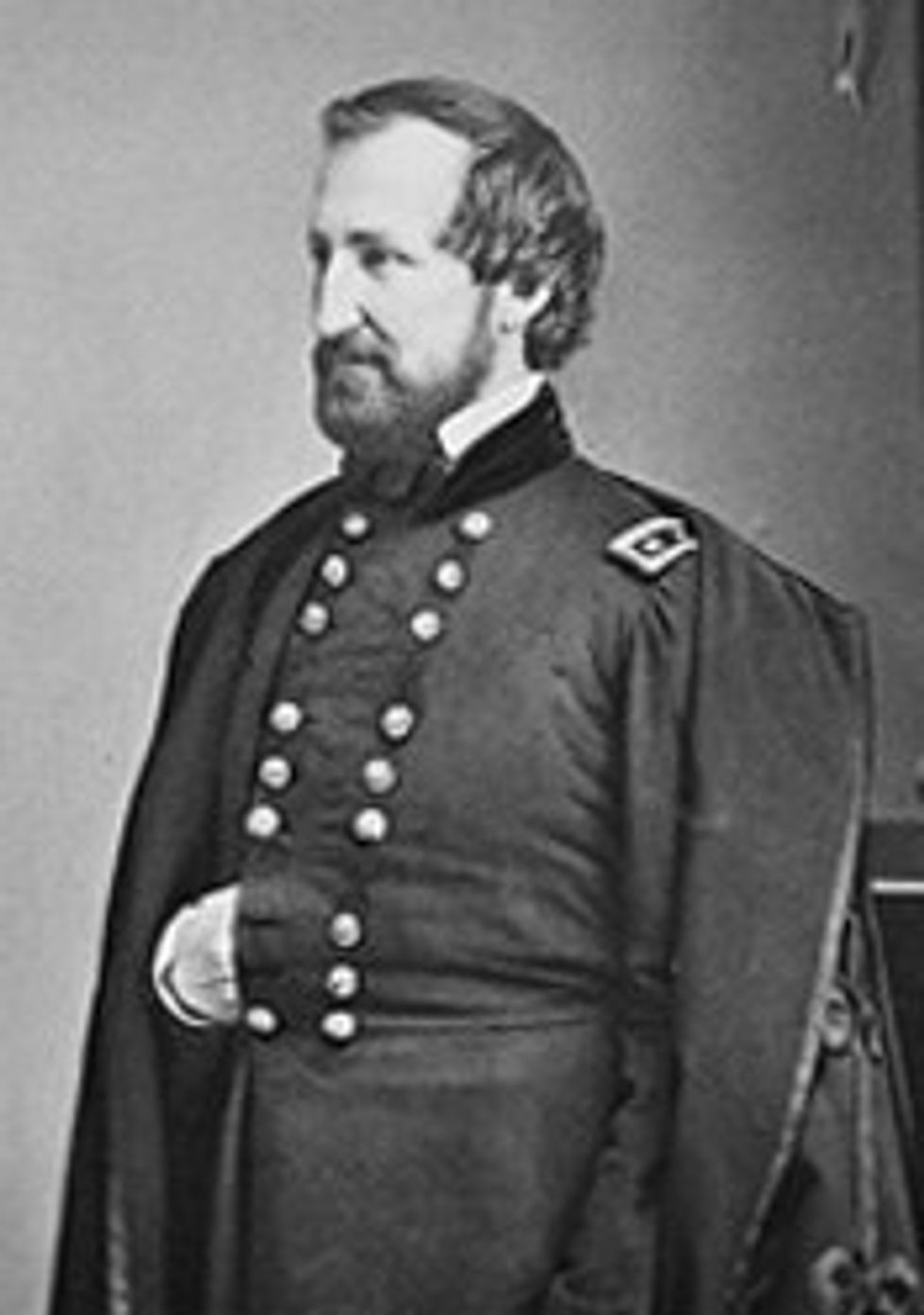
In the grand scheme of the Civil War, the western theater is often overshadowed by the actions in the eastern theater. The Army of the Potomac and the Army of Northern Virginia were under the media's spotlight due to their proximity to the two capitals. Although the eastern theater was the most publicized, the war was won in the west. The battle that occurred along the Chickamauga Creek in September of 1863 was the second most costly battle of the war, behind Gettysburg. It was also the Confederacy's most decisive victory in the west. Unfortunately, Braxton Bragg, commander of the Confederate Army of Tennessee, failed to pursue the defeated Union forces, and he would be defeated at the Battle of Chattanooga three months later. Although the Battle of Chickamauga was a Confederate victory, it was the beginning of the end of the war in the west.
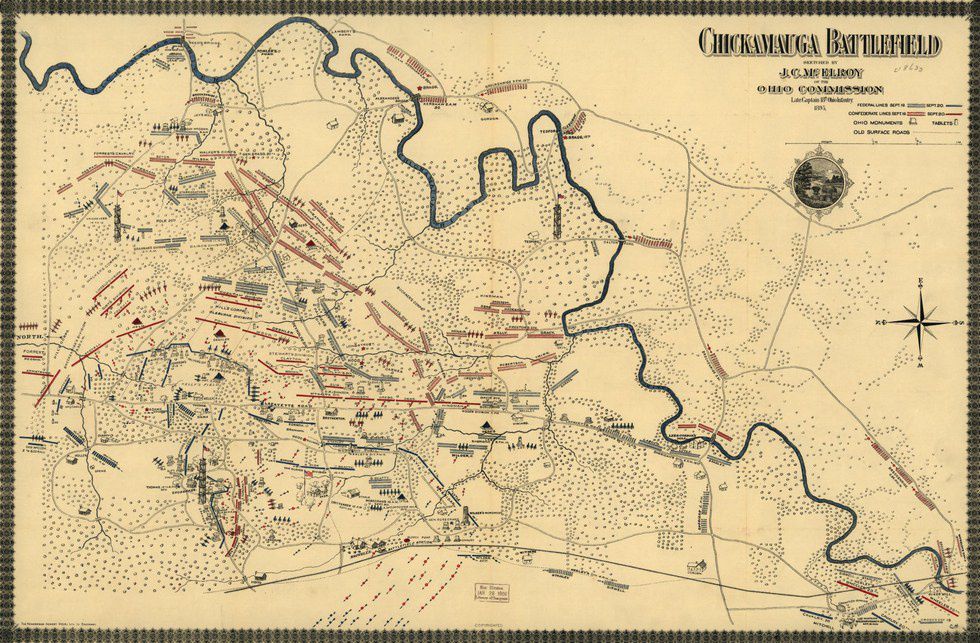
The area around Chickamauga Creek in northwest Georgia was the scene of the second bloodiest battle in the war. The troops on both sides believed that Chickamauga was a Cherokee word that could be translated to "river of death" (this is more of a legend than a literal translation). William Rosecrans, commander of the Army of the Cumberland, sought to continue his offensive, which, a month prior, captured the city of Chattanooga. Braxton Bragg was looking for a chance to retake the crucial city which he had lost. Rosecrans assumed that Bragg would continue his retreat through Georgia, when in reality, he was massing his troops to attack Bragg. Chickamauga was a rare instance in when the Confederates outnumbered the Union. Mississippi troops under Bushrod Johnson and two divisions from the Army of Northern Virginia under James Longstreet were sent to bolster Bragg's ranks. Although Robert E. Lee did not support the plan; the hopes were, by reinforcing Bragg with troops from the eastern theater, he would better be able to turn the tide in the west. Bragg had 65,000 men to face Rosecrans 60,000.
On September 18, Bragg moved his forces to the banks of Chickamauga Creek in hopes of putting his army between Rosecrans and Chattanooga. He hoped that his advance would surprise Rosecrans, but John T. Wilder's "Lightning Brigade," which was armed with Spencer repeating rifles, held off the Confederate advance at Alexander's Bridge. Spencer rifles fired fourteen shots per minute, while the Confederate rifles only fired two to three shots per minute. By the time Bragg crossed the Chickamauga, Rosecrans was ready for him.

The bulk of the battle would begin on September 19. Bragg ordered numerous attacks along the extended Union line, but none of them were able to break them. It is believed that part of the reason Bragg was unable to win the battle on the nineteenth was his subordinates and troops' disdain for him, and his unclear orders. Bragg was not the most charismatic of leaders and the only reason he was still in command was that he was a personal friend of Jefferson Davis. By the end of the day, Longstreet had arrived to reinforce him. Troops on both sides slept in their battle lines and were a short distance away from their enemies.
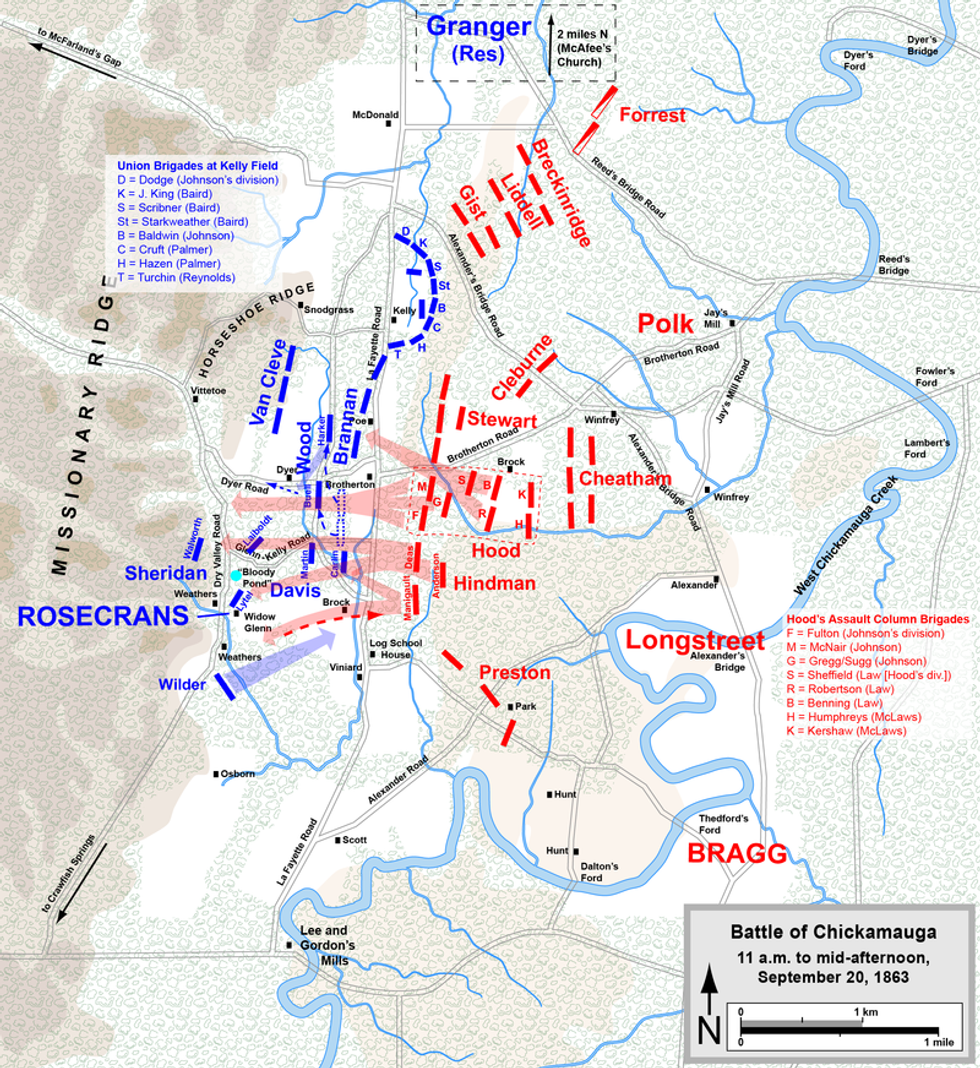
On September 20, Bragg would take advantage of Rosecrans's mistake. Bragg opened his attack on the Union left and Rosecrans worked feverishly to bolster the line. The thick, wooded terrain made it difficult for both commanding generals to see their men. At one point, a whole division was obscured by the woods. A member of Rosecrans staff, unable to see the division, informed Rosecrans of the hole in his line. Rosecrans ordered Thomas Wood's division to fill the perceived gap. Wood was aware that the gap did not actually exist, but earlier in the campaign he was reprimanded for not following orders, and he did not want to make the same mistake. Wood's brigade moved to fill the fake gap, thus creating an actual gap in the Union line. General Longstreet capitalized on this error, leading eight divisions on an attack through the gap Wood had created. The Union troops on the southern portion of the field, including Rosecrans, were driven back to Rosecrans.

Chickamauga would have been a much more decisive victory for the Confederates, had it not been for George Thomas. Thomas would regroup some the disorganized Union forces and form a defensive line around Horseshoe Ridge and Snodgrass Hill. Thomas and his men held off the Confederate attacks preventing them from pressing on to Chattanooga. Under the cover of darkness, Thomas would withdraw from the field, ending the Battle of Chickamauga. For his actions he would earn the nickname, "The Rock of Chickamauga."

The following day, Thomas urged Rosecrans to attack, but he was too demoralized from the previous day's defeat. John Hay described Rosecrans's confusion as a "duck hit on the head." Ulysses S. Grant would be sent to Chattanooga to replace him. Bragg also failed to ensure total victory. Had he pursued the defeated troops more vigorously, the Union forces may not have been able to bounce back. The Army of Tennessee would besiege Chattanooga, only to be defeated in November. The Confederate victory at Chickamauga lost the war in the west.