The fact is that everyone has parents. The reality is that not everyone gets to watch them grow old. In Anna Quindlen’s 1988 short story “Mothers,” she writes about what it is like to watch other people grow up with a mother while she observes heartbroken from the sidelines because she lost her mother at age19 to ovarian cancer. Ms. Quindlen takes on the role of narrator and explains to the audience, who presumably have parents, the life of a parentless child. She writes a very honest piece about how painful it is to see everyone live their life with the one thing that she endlessly longs for: a mother. She writes about the mundane everyday activities that mothers and daughters take for granted and how it infuriates her because she cannot share that experience. Ms. Quindlen takes a stand for grieving children in her piece “Mothers” and gives them a voice that they would not normally get. She uses her platform as a writer to explain the hardships that people who have lost a parent go through and gives people who have both of their parents a lens into their world.
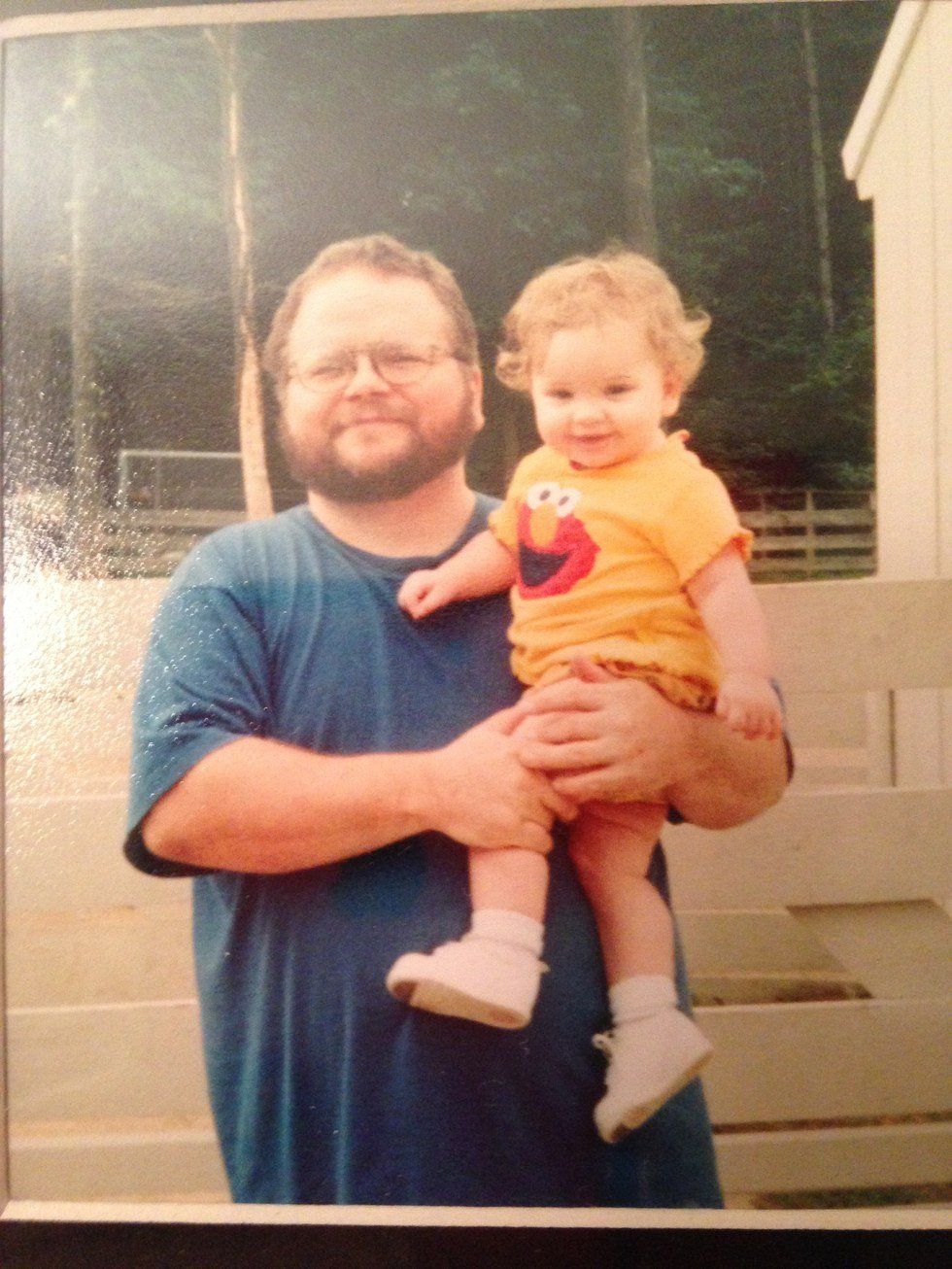
My personal experience is very similar to Ms. Quindlen in “Mothers” in the fact that I lost my father when I was 16. I can relate a lot to how she feels when she sees people with their mom, or in my case, dad. When I was in high school “all you had to know about me” was that my dad had passed away (Quindlen 31). It was a label that I carried as clearly as a nametag. Although it was tough to have everyone see me as a “half orphan,” it took so much weight off of me because I never had to tell anyone, they just knew. It was not uncommon for me to be stared at when we read stories about death or to be whispered about in the hallway. When I came to college no one knew a thing about me and people did not know not to ask me “what my dad does for a living” or “what my favorite part about Christmas is.” People do not mean to make me feel bad and I know that they have zero intention to make me sad and force me to yet again realize that my dad isn’t here, but like Quindlen, it still angers me. Some people, like myself, are forced to carry a burden, called grief, at much too young of an age and Anna Quindlen beautifully represents these underdogs in her piece of literature titled “Mothers.”
People who do not know to appreciate their fathers make me upset. Ms. Quindlen uses harsh language when she says that she no longer wishes “to murder them” (Quindlen 31). Although I do not feel as intense as Ms. Quindlen, I am not in the place yet to hear people talking about their dads or saying that they “hate them.” My wounds are still far too fresh to not flinch whenever anyone references their paternal figure. Although, like Quindlen, I am painfully aware that most other people have the blessing of having their parents on earth with them, I know that I do not and it is hard. Even just reading this short piece of literature brought sharp tears to my eyes, the kind that you can feel come from your heart and run all the way to your eyes. The kind that won’t stop once they start. Everywhere I go I am reminded that my dad isn’t here. Whether it’s seeing people with their dads or watching a television show with a dad on it; I am reminded that he’s missing important as well as insignificant things in my life.
As seen in “Mothers,” life has a funny way of making you remember heartbreaking things at the most inopportune times. A part of the story that really resonated with me was when Ms. Quindlen was talking about her mother’s wedding dress and saw how small it was and wanted to talk to her “but there was no one there” (Quindlen 32). They say that when someone you love dies, waking up in the morning is like losing them all over again but I never experienced that until I came to college. Being away from home makes me think that my dad is at home with my mom just how it should be, but I keep forgetting that he’s not there and he never will be again.
Ms. Quindlen was 19 when she lost her mother, but I was only 16 when I lost my father. I completely agree with her when she says that she was “simply a little too young” to appreciate her mother fully (Quindlen 32). I understand because I did not get to have my dad be apart of my adult life and truly appreciate him as a person and my father. When you’re a teenager, you have no idea the amount of love and sacrifice goes into being a parent. It is not often until much later in your adult life, possibly even when you have your own children, that you realize all that your parents have done and continue to do for you. Most people, fortunately, have the opportunity to apologize and thank their parents for their sacrifices. But when you are put into a position of extreme grief at a young age you grow up incredibly fast. You almost instantaneously become an adult in many ways and whatever was left of your childhood innocence vanishes. You are made aware that life's not fair and that your parents will not always be there for you. You realize a little too late all that your parent has done for you and find out that they aren’t going to be able to do that for you anymore. Ms. Quindlen pens this process beautifully and very accurately depicts the emotional journey that a grieving child goes through.
When you lose someone, you’re very likely to only think about the positives and the good times and all of the wonderful parts of them as a person. They become sort of an idol to you and you forget about the bad things. You then wonder if “all the good [you] remember… is simply wishful thinking” (Quindlen 32). You try to remember everything in perfect detail but somewhere along the way, and due to the fact that you cannot fact check the events with a partner, the details get skewed and the memories will jumble. You become an “archaeologist of the soul” and try to piece together your memories hoping to make a beautiful mosaic to patch your broken heart (Quindlen 32). You anxiously cling to every memory you have of them, terrified to forget a single detail, but you know that with time, your memories will fade and become less precise and you are unable to stop it.
Things in life will fall apart and they do not always come back together like the end of a fairytale. Life is a journey and along the way there are really bad things that will happen. Some people are shielded from this until they are well into adulthood, but some of us, the unlucky ones, get a bad deal of “Fate Cards” and run into more than our fair share of bad times. In Ms Quindlen’s “Mothers,” parentless children get a voice. Quindlen forces the fortunate to hear about the pain and suffering that occur during an orphan’s day- to- day life. She makes people who have parents listen to how hard it is to live your life without one when you know everyone else does. And she hopefully makes them stop and think about the challenges we deal with that never even cross their minds. As someone who is very experienced with the grieving process from both the angle of a researcher and as a person grieving, I have never read a piece of literature that has so beautifully and accurately depicted the life of a grieving child so well. If for even just one minute, one person who is blessed to have two living parents takes the time to think about us, then this story has accomplished it’s goal. And for that, I thank her.